Dental Emergencies Welcome | Welcoming New Patients

Our Office
10470 S. Progress Way
Suite 100
Parker, CO 80134
Existing Patients: 720-870-9500
New Patients: (720) 640-4406
Visit Us Online


At Plaza Dental Parker, we approach ceramic crowns as a long-term solution that blends function, comfort, and natural-looking results. Our team focuses on restorative choices that preserve tooth structure while restoring strength and bite stability. With modern ceramic materials and precise workflows, a crown can revive a tooth that would otherwise be prone to further damage or failure.
Teeth are remarkably resilient, but decay, large restorations, trauma, and repeated stress from clenching or grinding can leave a tooth vulnerable. When a simple filling won’t provide the necessary support, a full-coverage crown becomes the conservative choice to protect and rebuild the tooth. Ceramic crowns give us the ability to restore durability without sacrificing aesthetics.
We combine current materials science with digital tools and careful treatment planning so your new crown looks and feels like a natural part of your smile. Throughout treatment, our priorities are to preserve healthy tooth tissue, manage sensitivity and comfort, and deliver an outcome that meets both functional needs and cosmetic expectations.
A crown is more than a cosmetic upgrade—it’s a protective restoration designed to restore form and function. deciding whether to place a crown depends on how much healthy tooth remains, the location of the tooth, the forces it must endure, and the overall treatment goals. Our team evaluates these factors and explains why a crown may be the most predictable solution.
In many cases a crown is recommended when the remaining tooth structure is insufficient to support a reliable filling. Teeth with large or failing restorations, fractures that compromise the cusps, or those that have undergone root canal treatment are common candidates. A correctly fitted crown helps distribute chewing forces and reduces the risk of further fracture or breakdown.
Beyond protection, crowns restore proper chewing function and can correct alignment, shape, and color inconsistencies when needed. For teeth that serve as bridge abutments or support implants, crowns provide the long-term stability required for those restorative roles. Your dentist will discuss these factors and determine whether a ceramic crown best meets your needs.
To rebuild a tooth with extensive damage from decay or trauma
To replace a very large or broken filling that no longer performs reliably
To restore a dental implant with a natural-looking replacement
To support a traditional bridge as an abutment tooth
To protect a tooth after root canal therapy
To improve the appearance of a discolored, small, or misshapen tooth
To correct bite-related issues that contribute to excessive wear

All-ceramic crowns deliver exceptional aesthetics because they mimic how natural enamel interacts with light. Advances in ceramic formulations mean we can achieve lifelike translucency, subtle shading, and surface texture that closely matches your adjacent teeth. This makes ceramic crowns a preferred choice for front teeth and visible restorations.
Contemporary ceramic materials are engineered for strength as well as beauty. Where earlier generations of ceramic were fragile under heavy stress, today’s lithium disilicate and zirconia-based options offer durability suitable for most situations. The metal-free design also eliminates the dark gumline margin that can appear with porcelain-fused-to-metal crowns.
Other clinical advantages include minimal staining over time, compatibility with soft tissues, and suitability for patients with metal sensitivities. Because some ceramic systems allow for thinner restorations, we can often conserve more natural tooth structure during preparation. The end result is a restoration that is comfortable, biocompatible, and visually harmonious with the rest of your smile.
When we recommend ceramic crowns, we consider both the aesthetic outcome and the long-term performance. Selecting the right ceramic is a balance of translucency, strength, and how the restoration will function in your bite. Our team reviews these trade-offs with you so the chosen material aligns with your priorities.
Natural light transmission that resembles real enamel
May require less tooth reduction with modern materials
Lighter and metal-free—comfortable for many patients
Generally gentler on surrounding gum tissue
Resistant to surface staining and discoloration
Safe option for patients with metal allergies or sensitivities
No visible metal margin at the gumline for improved aesthetics
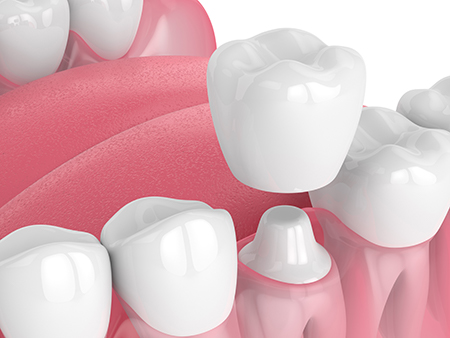
Not all ceramics are identical, and the best choice depends on tooth location, aesthetic goals, and the forces that tooth must withstand. For example, front teeth typically demand the highest level of translucency, while back teeth require materials that tolerate higher biting forces. We select materials that balance these needs for a predictable result.
Common options used today include lithium disilicate, pressable porcelains reinforced with leucite, and various grades of zirconia. Each material has distinct characteristics—some emphasize lifelike translucency and polishability, while others prioritize fracture resistance for posterior applications. We’ll explain the benefits of each option during your consultation.
Once a material is chosen, precise laboratory or in-office milling techniques shape the final restoration. Digital workflows, such as CAD/CAM design and high-accuracy impressions, help ensure crowns fit the prepared tooth and align with adjacent teeth. The result is a crown that meets both functional demands and cosmetic expectations.
Your dentist will evaluate the tooth’s structural needs, the surrounding bite, and your aesthetic priorities before recommending the material that best supports a durable, natural result. This careful selection process helps reduce the likelihood of future adjustments and promotes long-term satisfaction with the restoration.
Lithium Disilicate Porcelain Crowns
Leucite Reinforced Pressable Porcelain Crowns
Solid or Monolithic Zirconia
High Translucent Zirconia

Treatment with a ceramic crown typically begins with a careful assessment and tooth preparation to remove compromised tissue while preserving healthy enamel and dentin. We take detailed records, including digital images and impressions, to design a restoration that matches your bite and neighboring teeth. Temporary protection may be placed while the final crown is fabricated.
Many practices now use digital scanning and in-office milling to shorten turnaround time, but quality and fit remain the priorities regardless of the fabrication method. At placement, the crown is evaluated for margin fit, contacts with adjacent teeth, and how it meets your bite. Adjustments are made to ensure comfort and function before the final cementation.
After placement, maintaining good oral hygiene and regular dental visits helps preserve the crown and surrounding tissues. While ceramic crowns are stain-resistant and durable, they still benefit from daily brushing, flossing, and routine cleanings. If you have habits such as heavy clenching or grinding, a night guard or other protective measures may be recommended to prolong the life of the restoration.
Should any concerns arise—such as sensitivity, looseness, or a change in bite—contact your dental team promptly so they can evaluate and address the issue. Early attention to symptoms helps avoid more extensive restorative needs down the line and keeps your restoration performing well for years.
Our clinical team combines restorative experience with a commitment to personalized care. We assess each situation with an eye toward conserving healthy tooth structure, restoring reliable function, and achieving a natural appearance. Treatment plans are tailored to fit both functional requirements and cosmetic goals.
From material selection to digital planning and final placement, our process emphasizes accuracy and communication. We explain the reasons behind our recommendations so you understand the purpose of each step and feel confident in the plan. When appropriate, we discuss protective strategies to extend the lifespan of your crown and maintain overall oral health.
If you would like to learn more about ceramic crowns or discuss whether a crown is the right solution for a specific tooth, please contact us for more information. Our team is happy to walk you through options and help you make an informed decision about your restorative care.

Ceramic crowns are full‑coverage restorations made from advanced, tooth‑colored materials that protect and rebuild damaged teeth. They encase the visible portion of a prepared tooth and restore its shape, strength, and function while mimicking the light transmission of natural enamel. Modern ceramic systems are engineered to resist staining and provide lifelike translucency for a seamless appearance with adjacent teeth.
Once fabricated, a ceramic crown is fitted over the prepared tooth and bonded or cemented in place to create a durable seal. The restoration helps distribute chewing forces and prevents further fracture or deterioration of compromised tooth structure. With careful planning and proper material selection, ceramic crowns can meet both functional demands and aesthetic expectations for many restorative situations.
A ceramic crown is often recommended when a tooth has extensive decay, a large or failing filling, a fracture that compromises the cusps, or after root canal therapy where the remaining structure is insufficient for a durable filling. The decision also depends on the tooth’s location, the forces it must withstand, and the patient’s cosmetic goals. Your dentist evaluates these clinical factors to determine whether a crown offers the most predictable long‑term outcome.
Crowns are also indicated when a tooth will serve as an abutment for a bridge or as the restorative portion of an implant, because they provide the stability and contour required for those roles. In cases of severe wear from grinding or bite misalignment, a crown can restore proper occlusion and reduce further breakdown. The recommended approach balances protecting healthy tissue with achieving a restoration that performs reliably over time.
All‑ceramic crowns are metal‑free and offer superior aesthetics because they reproduce enamel translucency and avoid the dark gumline that can occur with porcelain‑fused‑to‑metal restorations. Advances in materials such as lithium disilicate and zirconia have improved strength to the point where many ceramic crowns can withstand posterior chewing forces. Metal or metal‑based crowns may still be chosen for maximum fracture resistance in certain high‑stress situations, but they typically compromise on appearance.
Choosing between ceramic and metal‑based options requires weighing aesthetics, strength, and the tooth’s functional demands. For front teeth and other highly visible areas, ceramic is frequently preferred for its lifelike color and surface texture. When posterior strength is the primary concern, high‑strength ceramics or layered zirconia can offer a compromise that maintains a natural look without sacrificing performance.
Common ceramic materials include lithium disilicate, pressable porcelains reinforced with leucite, and various formulations of zirconia ranging from solid monolithic types to high‑translucency blends. Lithium disilicate is prized for its balance of translucency and strength, making it a popular choice for anterior and many posterior restorations. Zirconia provides exceptional fracture resistance and is often selected for areas that experience heavy occlusal forces or for multi‑unit restorations.
Each ceramic has distinct optical and mechanical properties that influence the final result, so material selection is tailored to the location of the tooth and the patient’s aesthetic priorities. Some systems allow for thinner restorations, preserving more natural tooth structure during preparation. Your dental team will explain the advantages and trade‑offs of each option during treatment planning to support a durable, esthetic outcome.
The process begins with a thorough examination and treatment planning that may include digital imaging and intraoral scanning to document tooth form and occlusion. Preparation involves removing compromised tooth tissue while conserving as much healthy enamel and dentin as possible, followed by impression taking or a digital scan to transmit precise measurements to the lab or in‑office milling unit. A temporary crown may be placed to protect the preparation while the final restoration is fabricated and characterized to match adjacent teeth.
When the final crown is ready, the clinician evaluates margin fit, proximal contacts, and occlusion before making any required adjustments for comfort and function. The crown is then permanently cemented or bonded, and final polishing ensures proper texture and shine. The practice will provide post‑placement instructions and schedule follow‑up as needed to confirm fit and address any questions about sensitivity or bite changes.
Ceramic crowns can last many years when properly designed, placed, and maintained, with longevity influenced by material choice, tooth position, oral hygiene, and patient habits. Factors such as heavy clenching or bruxism, poor oral hygiene, untreated periodontal disease, and excessive occlusal forces can shorten a crown’s functional life. Routine dental exams and cleanings help detect early wear or complications so they can be managed before more extensive treatment is required.
Material selection also affects durability: high‑strength zirconia tends to resist fracture better in high‑load areas, while lithium disilicate offers excellent aesthetics with good strength for many applications. Protective measures like an occlusal guard are often recommended for patients with parafunctional habits to reduce risk of chipping or fracture. With attentive care and appropriate protective strategies, many ceramic crowns provide stable performance for years.
Daily oral hygiene remains essential for preserving both the crown and surrounding tissues; brush twice daily with a fluoride toothpaste and floss daily to remove plaque from crown margins and adjacent teeth. Avoid using extremely abrasive toothpastes or rigorous scrubbing that could dull the restoration’s surface over time, and consider a nonabrasive paste if stain prevention is a concern. Maintaining regular dental cleanings and exams helps keep the margin area healthy and allows your provider to monitor the crown for wear or other issues.
For patients who grind or clench, wearing a custom night guard can significantly reduce stress on crowns and adjacent restorations. Be mindful of habits such as chewing ice, opening packages with teeth, or biting hard objects, as these actions can cause chips or fractures. Promptly report any new sensitivity, looseness, or changes in bite so your dental team can evaluate the restoration and address problems early.
Yes. Because ceramic crowns are metal‑free, they are an excellent option for patients with known metal allergies or sensitivities. The biocompatible nature of contemporary ceramic materials reduces the risk of adverse tissue reactions and eliminates the potential for a visible metal margin at the gumline, which can be a cosmetic concern with metal‑based crowns. Many patients who cannot tolerate metal find ceramic restorations to be a comfortable and effective alternative.
That said, proper evaluation is still important to select the ideal ceramic type and bonding protocol for each situation. Your dentist will review medical history and any known sensitivities during consultation and recommend materials and techniques that prioritize tissue compatibility and functional performance. This individualized approach helps ensure a successful, long‑lasting restoration.
Ceramic crowns are frequently used as the visible restorative component for dental implants and as abutment crowns for traditional bridges because they provide natural aesthetics and functional stability. When used with implants, the ceramic crown is designed to attach to the implant abutment and replicate the emergence profile and occlusion of a natural tooth. For bridges, crowns on adjacent teeth serve as abutments that anchor the prosthesis, so material strength and margin design are selected to support those long‑term restorative roles.
At Plaza Dental Parker, the restorative team considers implant positioning, abutment choice, and occlusal forces when planning implant‑borne ceramic crowns or bridgework to ensure predictable performance. Careful laboratory communication, precise impressions or digital scans, and accurate occlusal adjustments at placement all contribute to a stable, natural result. Ongoing maintenance and periodic evaluation help preserve the integrity of implant restorations and supporting tissues.
After crown placement you may experience mild sensitivity or soreness around the restored tooth and adjacent gum tissue for a few days, which typically responds to over‑the‑counter analgesics and gentle oral care. Avoid very hard or sticky foods for the first 24 to 48 hours while the cement fully sets, and report any persistent pain, sharp edges, or a noticeable change in your bite so adjustments can be made. If a temporary crown was in place beforehand, the final restoration should feel more stable and natural once properly seated.
Follow‑up appointments allow your dentist to confirm fit, margin integrity, and occlusion and to make any fine adjustments to ensure comfort and function. Continue routine dental visits for professional cleanings and exams to monitor the crown and surrounding tissues over time. If you have concerns between scheduled visits, contact the practice promptly to address issues before they develop into larger problems.