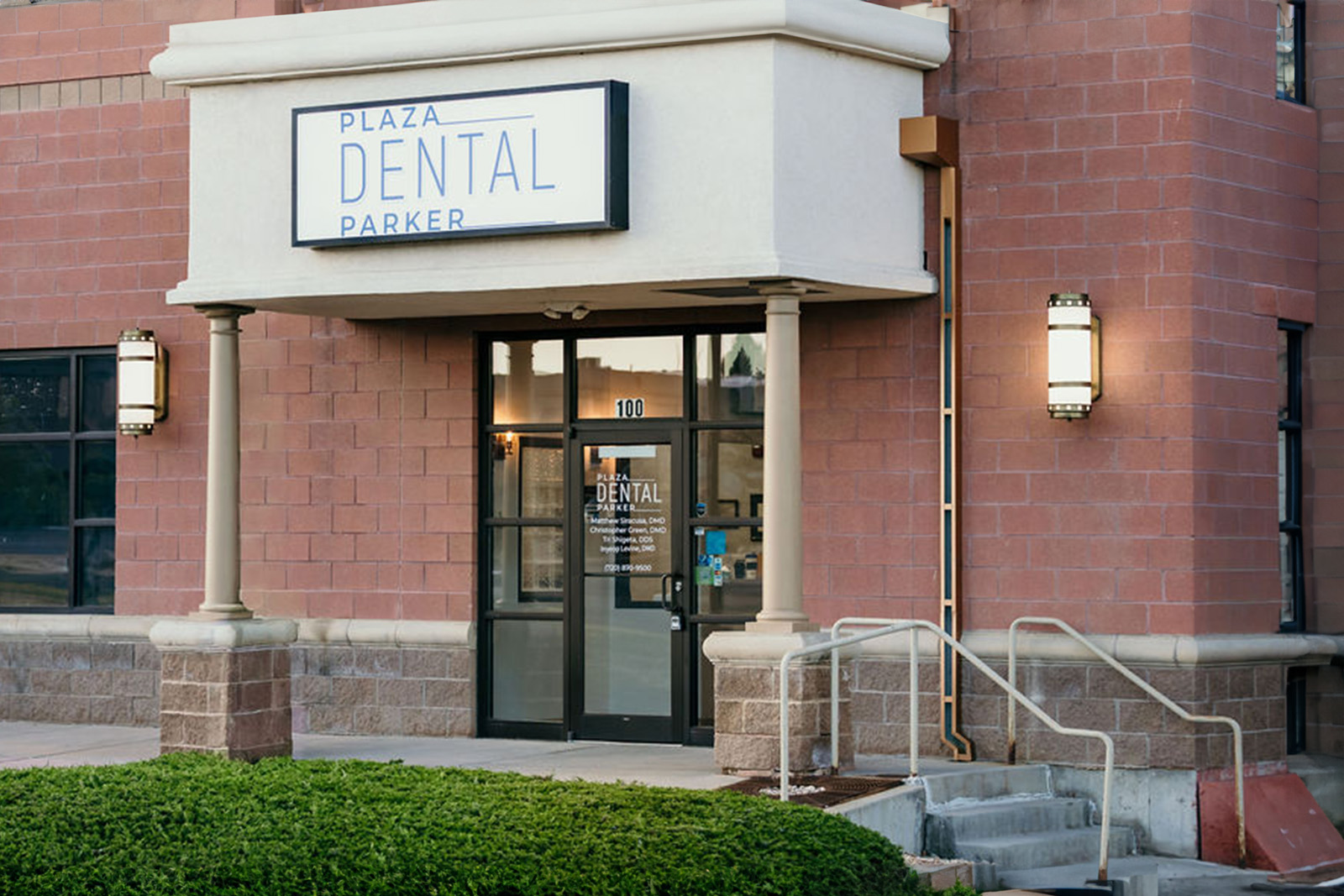
Dental Emergencies Welcome | Welcoming New Patients

Our Office
10470 S. Progress Way
Suite 100
Parker, CO 80134
Existing Patients: 720-870-9500
New Patients: (720) 640-4406
Visit Us Online


A confident smile changes how you present yourself to the world. When your teeth look healthy and balanced, you naturally smile more easily, speak with greater assurance, and leave a stronger first impression. Cosmetic dentistry focuses on those visible elements—color, shape, proportion, and alignment—to help you feel comfortable and proud of the way you look.
Many adults live with minor flaws that make them reluctant to smile: stains, small chips, uneven edges, or gaps. Advances in dental materials and digital planning mean these concerns no longer require dramatic or invasive procedures to address. With conservative, well-planned cosmetic care, you can achieve a refined, natural-looking smile that fits your face and lifestyle.
Cosmetic dentistry is about more than just appearance; it’s about restoring balance between function and aesthetics. Treatment can reduce self-consciousness, improve how teeth contact during biting, and support healthier habits over time. Whether the concern is localized to one tooth or involves several teeth, cosmetic approaches are tailored to the specific needs and goals of each patient.
Procedures are selected not only for their visual impact but for long-term resilience. Today’s composite resins, porcelain porcelains, and ceramic restorations are engineered for strength as well as lifelike translucency, so results stand up to daily use while still looking natural. Your clinician will weigh durability alongside appearance when recommending options.

At Plaza Dental Parker, we approach cosmetic cases with the same attention to detail we apply to restorative and preventive care. That means listening to your priorities, explaining realistic outcomes, and using modern tools to visualize potential results before treatment begins.
Good cosmetic outcomes start with a clear vision of facial harmony. Dentists trained in aesthetics consider how tooth size, shape, and color relate to your lips, smile line, and facial features. That artistic framework guides choices from the contour of a veneer to the shade selected for a filling so the final result looks intentional and harmonious.
Material science plays a central role in contemporary cosmetic care. High-strength ceramics and advanced composite materials mimic the way light travels through natural enamel, producing color depth and sheen that blend with surrounding teeth. These advances let clinicians craft subtle refinements rather than obvious changes.
Technology—from digital imaging and intraoral scanning to treatment-planning software—helps ensure predictable outcomes. Virtual mock-ups and digital models allow you to preview changes and make informed decisions. This combination of artistic judgment and objective planning improves both satisfaction and clinical reliability.
Cosmetic dentistry encompasses a range of procedures that vary in scope and invasiveness. Some options address color and surface texture, while others alter shape or replace missing structure. Understanding the basic purpose of each treatment can help you and your dentist select the right approach for your goals.
Minimally invasive techniques such as direct bonding and in-office whitening produce meaningful improvement with minimal time commitment. Porcelain veneers offer a durable, color-stable solution when multiple aesthetic corrections are desired, and full-coverage ceramic crowns restore heavily damaged teeth while optimizing appearance.
When tooth structure is missing or compromised, modern restorative options rebuild form and function without compromising aesthetics. Tooth-colored restorations are designed to blend seamlessly so that the repaired tooth matches the rest of your smile whether you’re speaking, eating, or laughing.

Dental bonding uses tooth-colored composite to repair minor chips, close small gaps, or mask localized discoloration. It is applied directly to the tooth, shaped by the dentist, and hardened with a curing light. Because bonding conserves natural tooth structure, it’s often the first-choice solution for modest aesthetic corrections.
Modern composite fillings allow damaged or decayed areas to be restored without the visual compromise of metal. These materials bond to the remaining tooth, restoring form and strength while matching the surrounding enamel. For visible teeth, tooth-colored restorations help maintain a seamless smile.
Professional whitening systems are stronger and more carefully managed than over-the-counter products, producing more consistent results while protecting soft tissues and enamel. Whitening can significantly brighten a smile and is often combined with other cosmetic procedures to harmonize overall appearance.
Veneers are custom-crafted, ultra-thin ceramic shells bonded to the front surface of teeth. They can correct shape, length, spacing, and color in a conservative manner that still achieves dramatic improvement. When properly designed, veneers create a durable, lifelike finish that respects your facial proportions.
Full-coverage ceramic crowns are used when a tooth requires extensive rebuilding—after root canal therapy, large fractures, or severe wear. Crowns restore function and aesthetic form, and the latest all-ceramic systems avoid metal substructures while delivering excellent strength and natural translucency.

Replacing missing teeth is often integral to achieving an attractive, functional smile. Options range from fixed bridges and removable prostheses to implant-based restorations that restore both the visible tooth and the supporting root structure. Each choice carries specific benefits for appearance, speech, and chewing.
Dental implants provide a foundation for restorations that mimic natural teeth in both form and function; when combined with ceramic crowns or implant-supported bridges, they offer stability and lifelike results. For patients who prefer fixed or removable alternatives, modern bridge materials and denture designs can also provide very natural aesthetics.
Selecting the right replacement strategy involves evaluating bone health, adjacent teeth, and long-term maintenance considerations. A thoughtful plan balances cosmetic goals with predictable, resilient solutions that support oral health for years to come.
A careful cosmetic plan begins with a focused consultation. Your dentist will review your concerns, examine oral health, and discuss how different treatments can address both appearance and function. Digital photos, radiographs, and intraoral scans help clarify the scope of work and demonstrate likely outcomes.
Shared decision-making is central to a successful makeover. We will review material choices, the sequence of treatments, and any necessary preparatory care so you understand what to expect at each step. This collaborative approach reduces surprises and helps ensure results align with your expectations.
After treatment, maintaining results requires routine dental care and sensible habits. Regular cleanings, mindful oral hygiene, and periodic check-ups will protect cosmetic investments and preserve the health beneath the restorations. Good maintenance keeps a refreshed, natural-looking smile for the long term.
Whether you’re considering subtle refinements or a comprehensive transformation, Plaza Dental Parker combines aesthetic judgment, contemporary materials, and patient-centered planning to help you reach your goals. Contact us to learn more about cosmetic options and to discuss which approach is right for you.

Cosmetic dentistry focuses on improving the visible attributes of your teeth and smile, including color, shape, proportion, and alignment. It combines aesthetic judgment with dental science so treatments look natural and complement facial features. Many procedures used in cosmetic care also restore form and function, so appearance and oral health are addressed together.
Cosmetic approaches range from minimally invasive surface treatments to more comprehensive restorative work, and modern materials make subtle, lifelike results possible. Treatment planning often begins with a diagnostic evaluation and visual mock-ups so patients understand expected outcomes. At the office of Plaza Dental Parker clinicians balance aesthetic goals with durability and long-term oral health when recommending care.
Good candidates are adults with reasonable oral health who want to address concerns such as staining, chips, minor misalignment, gaps, or uneven tooth shape. A thorough examination is required to confirm there is no active decay, unmanaged gum disease, or structural problems that should be treated before elective aesthetic work. Patients with realistic expectations and a commitment to oral hygiene tend to have the most predictable, lasting results.
Some patients seeking cosmetic improvement also require preparatory treatments like periodontal care, bite adjustment, or replacement of failing restorations to ensure a durable outcome. The dentist will review medical and dental history, discuss goals, and propose options that match lifestyle and maintenance preferences. Shared decision-making helps align the chosen approach with long-term oral health priorities.
Minimally invasive options include professional whitening and direct composite bonding, which can correct color issues, small chips, and minor spacing with minimal tooth alteration. These treatments are appropriate when changes are localized and the underlying tooth structure is healthy, allowing quick improvement with conservative care. They are often used as stand-alone therapies or in combination with other procedures for a coordinated result.
Porcelain veneers and ceramic crowns are used when more extensive modification of shape, size, or surface is needed; veneers cover the front surface of teeth while crowns restore full tooth contours and strength. Veneers work well for coordinated changes across several teeth, while crowns are indicated when significant structure is missing or after endodontic treatment. Material selection and design prioritize both esthetics and long-term wear characteristics.
Implant-based restorations, fixed bridges, and well-designed removable prostheses are options for replacing missing teeth in an aesthetic manner, restoring appearance and function. The choice among these depends on bone health, adjacent teeth, and patient goals, and often involves multidisciplinary planning. Each option is selected to produce a natural, stable result compatible with everyday chewing and speech.
Veneers are thin, custom ceramic shells bonded to the front surfaces of teeth to change color, shape, or minor alignment, while crowns cover the entire tooth and rebuild its full structure. Veneers generally require less tooth reduction and are chosen when the underlying tooth is structurally sound but needs cosmetic refinement. Crowns are selected when a tooth has lost significant structure due to decay, fracture, or previous large restorations and needs additional strength.
The decision between veneers and crowns depends on the extent of existing damage, bite forces, and aesthetic goals, and it should be based on a clinical examination and diagnostic imaging. The dentist will evaluate enamel thickness, occlusion, and long-term prognosis for each tooth before recommending a conservative, durable solution. Shared planning and digital previews help patients understand the expected look and functional outcome of either option.
Longevity varies by procedure, materials, and patient habits; direct composite restorations may require touch-ups over time while well-made ceramic veneers and crowns can last many years with proper care. Regular dental checkups and routine cleanings help identify early wear or margin issues so repairs can be made before problems progress. Avoiding habits like chewing hard objects and using a nightguard for bruxism can significantly extend the life of cosmetic work.
Home care includes daily brushing with a nonabrasive toothpaste and flossing to protect both restorations and natural teeth, and patients should follow any specific instructions for at-home whitening or care for bonded surfaces. The dentist will recommend a maintenance schedule tailored to the materials used and the patient’s oral health, which may include periodic polishing, refresh whitening, or replacement of restorations when indicated. Consistent preventive care preserves both appearance and function over the long term.
Yes. Many cosmetic solutions simultaneously restore form and function so teeth not only look better but also bite and wear more predictably. For example, crowns and onlays rebuild occlusal surfaces for reliable chewing, and properly designed restorations can improve tooth contacts and reduce abnormal wear. Addressing functional issues as part of an aesthetic plan helps avoid future structural failure and supports oral comfort.
When cosmetic concerns are related to bite misalignment or uneven wear, the treatment plan may include occlusal adjustments, stabilization with splints, or orthodontic approaches to create a healthy functional foundation. The dentist will evaluate jaw relationships, tooth contacts, and musculature to ensure aesthetic changes do not compromise function. A balanced plan preserves chewing efficiency and reduces the risk of TMJ symptoms or restorative breakdown.
Digital imaging, intraoral scanning, and treatment-planning software help create accurate records and realistic previews of proposed cosmetic changes, improving communication and predictability. Virtual mock-ups allow patients to visualize potential outcomes and participate in decisions about shape, length, and shade before irreversible work begins. Digital workflows also enhance laboratory communication for more precise fabrication of veneers, crowns, and implant restorations.
Intraoral scanners eliminate many of the discomforts associated with traditional impressions and produce 3D models used for guided restorations and provisional designs. These technologies streamline appointments, reduce chair time, and support conservative preparation by allowing the team to plan tooth reduction and margins precisely. Objective planning reduces surprises and contributes to more consistent clinical results.
Professional whitening is performed using higher-concentration bleaching agents under clinician supervision to achieve faster, more consistent results than over-the-counter products. Options include in-office treatments that deliver noticeable change in a single visit and custom take-home trays that provide gradual, controlled whitening at home. The dentist will evaluate enamel condition and existing restorations to determine the safest, most effective approach for each patient.
Patients can expect transient tooth sensitivity for some days after bleaching, which is usually manageable with desensitizing products and time. Whitening affects natural tooth structure and does not change the color of most restorations, so the dentist may recommend coordinating restorations after whitening to ensure a uniform appearance. Clear expectations and an individualized plan help patients achieve a harmonious, long-lasting shade.
Most risks are predictable and manageable, but patients should understand potential limitations such as sensitivity after enamel modification, marginal staining of restorations, or the need for future replacement due to wear. Certain medical conditions, heavy tobacco use, or poor oral hygiene can limit outcomes or reduce longevity, and the dentist will discuss these factors during planning. In some cases, bite-related issues may require additional treatment to prevent premature failure of aesthetic restorations.
Careful case selection, conservative preparation, and high-quality materials reduce complications, and the dental team will explain realistic outcomes and maintenance commitments before beginning treatment. When replacement of existing restorations is needed to match a new shade or form, that process will be coordinated to minimize surprises. Informed consent and follow-up care are essential to achieving safe, satisfactory results.
Prepare by listing your aesthetic concerns and bringing photos of smiles you find appealing, along with any recent dental records if available, to help the dentist understand your goals. Expect a comprehensive examination that may include digital photos, intraoral scans, and radiographs to assess tooth structure, gum health, and bite relationships. Be ready to discuss medical history, oral care habits, and any limitations or preferences that could affect treatment choices.
During the consultation the dentist will review treatment options, expected processes, and realistic outcomes using visual tools and models, and will recommend any preparatory care needed to optimize results. You will have the opportunity to ask about materials, timelines, and maintenance requirements so you can make an informed decision. A clear plan and mutual understanding at this stage set the foundation for predictable, lasting cosmetic improvements.