Dental Emergencies Welcome | Welcoming New Patients

Our Office
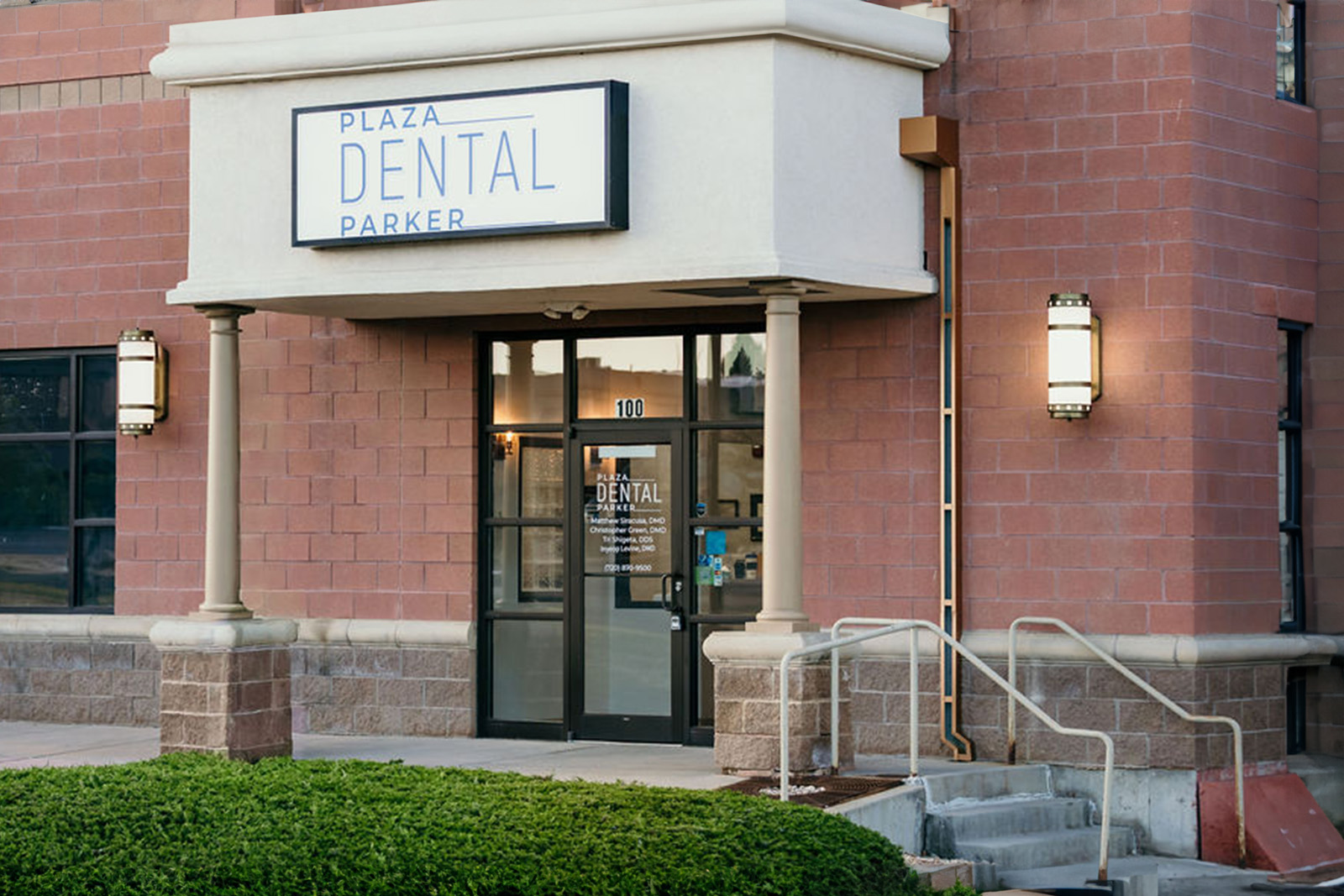
10470 S. Progress Way
Suite 100
Parker, CO 80134
Existing Patients: 720-870-9500
New Patients: (720) 640-4406
Visit Us Online


At the office of Plaza Dental Parker, we focus on restoring more than just a missing tooth — we restore confidence, chewing ability, and the long-term balance of the bite. Dental bridges are a time-tested restorative option that can reliably replace one or more adjacent teeth when implants are not appropriate or when a fixed solution is preferred. Below, we explain how bridges work, who they help, and what to expect from the process so patients can make informed decisions about their care.
A gap in your smile changes how forces travel through your teeth. Without a replacement, neighboring teeth can gradually tip or drift into the empty space, which alters your bite and can create areas that are difficult to clean. These shifts increase the risk of decay and gum disease and can lead to additional tooth loss over time if left unaddressed.
Teeth in the opposing arch that no longer meet a counterpart can also migrate or over-erupt, changing your occlusion and making everyday chewing less efficient. Over months and years, these changes can affect jaw joint comfort and overall oral function, sometimes resulting in discomfort or chewing-related pain.
Replacing missing teeth restores proper force distribution and helps maintain the position of adjacent teeth. A well-designed bridge restores chewing efficiency and speech and contributes to the long-term stability of the surrounding dentition and soft tissues, helping preserve facial structure and oral health.
Modern dentistry offers several predictable ways to replace missing teeth. Bridges provide a fixed, non-removable option when suitable adjacent teeth or implants offer reliable support. Dentures—either partial or full—remain an option for many patients who need larger restorations, while dental implants provide a root-level replacement when bone and general health permit.
Choosing the right method depends on the number and location of missing teeth, the condition of the remaining teeth, jawbone health, and the patient’s personal goals for durability and aesthetics. A bridge can be an excellent balance of strength, appearance, and convenience for many patients who seek a fixed solution without the need for removable prosthetics.
Every treatment plan is individualized. During a consultation we review the options, clinical findings, and long-term goals to recommend a solution that blends function and appearance while respecting each patient’s preferences and medical history.
Dental bridges have evolved considerably. Contemporary materials such as zirconia, high-strength ceramics, and porcelain-fused-to-metal combine resilience with lifelike aesthetics. These materials are selected to match your existing tooth color, translucency, and shape, making the restoration blend naturally with the surrounding teeth.
The fabrication process begins with precise impressions or digital scans of the prepared teeth and surrounding structures. Dental laboratories use these records to construct a bridge that fits closely against the gums and neighboring teeth, minimizing gaps where plaque can accumulate and optimizing bite contacts for comfortable chewing.
When designed and fitted correctly, a fixed bridge distributes chewing forces across the abutment teeth or implants, restoring function while protecting the integrity of the remaining dentition. Proper maintenance and regular professional cleanings help ensure the longevity of the restoration and the health of the supporting teeth and tissues.
Bridge designs vary to match clinical needs. A traditional fixed bridge uses crowns on the adjacent natural teeth to support one or more pontics (artificial teeth). This approach is predictable when the neighboring teeth are strong and in good periodontal health.
An implant-supported bridge uses one or more implants as the foundation, eliminating the need to prepare healthy adjacent teeth. This option preserves more natural tooth structure and offers superior support for larger spans or when abutment teeth are compromised. Because implants stimulate the jawbone, they also help limit bone resorption over time.
Other designs, such as cantilever bridges or resin-bonded (Maryland) bridges, are selected in specific scenarios where conventional support is limited or where conservative tooth preparation is desired. The choice is based on clinical evaluation, long-term prognosis, and the patient’s priorities for durability and conservation of natural tooth structure.
Before a bridge is planned, a comprehensive exam determines whether supporting teeth and gums can safely bear the restoration. We assess periodontal health, tooth vitality, existing restorations, and the quality and quantity of jawbone—especially when implants are being considered as an option.
Treatment to address gum disease, decay, or failing restorations may be required before a bridge can be placed. In some cases, root canal therapy or orthodontic adjustments are recommended to create a stable environment. When bone volume is insufficient for implants, grafting procedures can help rebuild the foundation for a future implant-supported bridge.
Open communication about overall health, medications, and lifestyle factors is part of the pre-treatment process. This helps ensure predictable healing and reduces complications. The practice team will discuss any necessary preparatory steps and outline a clear timeline so patients know what to expect at each stage.
The process for a traditional fixed bridge typically spans two or more visits. The first appointment focuses on preparing the abutment teeth: removing a small amount of enamel to make room for full-coverage crowns. Precise impressions or digital scans are then taken to guide laboratory fabrication of the final restoration.
While the laboratory crafts the bridge, a temporary restoration protects the prepared teeth and helps maintain aesthetics and function. Some sensitivity and mild discomfort can occur after preparation, but these symptoms generally resolve in days. The temporary also allows patients to preview shape and shade while the permanent bridge is finalized.
At the final appointment, the permanent bridge is evaluated for color, fit, and occlusion before being cemented into place. Minor adjustments to bite and contours are common to ensure comfort. Following placement, routine oral hygiene and periodic professional assessments are essential to protect the longevity of the bridge and health of the supporting teeth.
Implant-supported bridges begin with a surgical phase to place titanium implants into the jawbone. This is performed on an outpatient basis using local anesthesia and, when appropriate, sedation. The number and position of implants depend on the span being replaced and the density of the jawbone.
After implant placement, a healing period allows osseointegration—the process by which bone bonds to the implant surface. During this time, patients may receive temporary restorations to maintain appearance and function. Final impressions or digital scans are taken once the implants are fully integrated to create a bridge that precisely fits the implant platform and surrounding tissues.
Because implants act like natural tooth roots, implant-supported bridges offer excellent stability and chewing efficiency. They also protect the jawbone by transmitting functional forces into the bone, which slows bone loss and helps maintain facial form. The clinical team will review post-operative care and maintenance to support long-term success.
In summary, dental bridges remain a dependable way to restore missing teeth, protect adjacent dentition, and reestablish comfortable function and appearance. Whether you are considering a traditional fixed bridge or an implant-supported option, thorough evaluation and clear communication guide treatment toward predictable outcomes. If you have questions or would like to learn whether a bridge is the right solution for your smile, please contact us for more information.
A dental bridge is a fixed prosthetic that replaces one or more missing teeth by anchoring artificial teeth, called pontics, to adjacent natural teeth or dental implants. Bridges restore chewing function and help maintain proper alignment of the remaining teeth. They also help preserve facial contours by preventing the collapse of surrounding soft tissues that can occur after tooth loss.
Contemporary bridges are planned from detailed impressions or digital scans to ensure accurate fit and occlusion. The design balances strength and aesthetics so the restoration blends with adjacent teeth in color and shape. Your clinician reviews the options during a consultation to determine the best support strategy for your situation.
A missing tooth changes how chewing forces travel through the mouth, and neighboring teeth can tip or drift into the empty space without replacement. These shifts create hard-to-clean areas that increase the risk of decay and gum disease and can compromise the stability of adjacent teeth over time. In addition, teeth in the opposing arch may over-erupt, altering your bite and reducing chewing efficiency.
Replacing a missing tooth restores even force distribution and helps maintain proper occlusion, which supports jaw joint comfort and overall function. A well-designed bridge protects remaining teeth by sharing functional loads and reducing the chance of further tooth movement. Early assessment and treatment help prevent progressive problems that can require more complex care later.
Several bridge designs exist to address different clinical needs, including traditional fixed bridges that use crowns on adjacent teeth to support pontics. Cantilever bridges anchor the pontic to a single adjacent tooth in limited situations, while resin-bonded (Maryland) bridges use a conservative metal or ceramic wing bonded to the back of neighboring teeth. Implant-supported bridges use dental implants as support and avoid preparing healthy adjacent teeth.
The choice of design depends on factors such as the condition of abutment teeth, the span of missing teeth, bone quality, and the patient’s preference for conserving natural tooth structure. Implant-supported bridges are preferred when preserving adjacent teeth is a priority and when sufficient bone exists to support implants. Your dentist will review these options and recommend the most predictable approach for your long-term oral health.
Good candidates for a dental bridge have one or more missing adjacent teeth and abutment teeth that are healthy enough to support the restoration, or sufficient jawbone to support implants when an implant-supported bridge is considered. Factors that influence candidacy include periodontal health, the presence of decay, tooth vitality, and overall medical history. Patients who grind their teeth or have uncontrolled periodontal disease may need additional treatment before a bridge is recommended.
A comprehensive evaluation including clinical examination, radiographs, and sometimes CBCT imaging helps determine whether a traditional or implant-supported bridge is the safest and most durable option. When abutment teeth require significant restoration, the practice may favor implant solutions or alternative designs to avoid compromising healthy tooth structure. Treatment planning is individualized to match functional needs, aesthetic goals, and long-term prognosis.
Modern bridges are crafted from high-strength materials such as zirconia, high-strength ceramics, porcelain-fused-to-metal, or layered ceramics to balance durability and natural appearance. The process typically begins with precise digital scans or impressions and shade documentation to match adjacent teeth. Dental laboratories use these records to mill or layer the restoration so it fits closely against the gums and neighboring teeth.
Material selection depends on the location of the restoration, the patient’s bite forces, and aesthetic requirements, with stronger materials favored in the back of the mouth and more translucent ceramics used for visible front teeth. Proper design and accurate laboratory work minimize gaps where plaque can accumulate and optimize occlusal contacts for comfortable chewing. Longevity is supported by both material choice and meticulous clinical execution.
Treatment for a traditional fixed bridge generally involves two or more visits, starting with preparation of the abutment teeth by removing a conservative amount of enamel to create room for crowns. After preparation, impressions or digital scans are taken and a temporary bridge is placed to protect the prepared teeth while the final prosthetic is fabricated. Mild sensitivity and discomfort are common after preparation and typically resolve within a few days.
When the final bridge returns from the laboratory, the dentist verifies fit, color, and occlusion before permanently cementing the restoration. Minor adjustments to bite and contours are often made to ensure patient comfort and proper function. Routine oral hygiene and regular professional cleanings are essential to maintain the health of the supporting teeth and extend the life of the bridge.
An implant-supported bridge begins with surgical placement of titanium implants into the jawbone under local anesthesia and, if appropriate, sedation. Following placement, a healing period allows osseointegration, during which the bone bonds to the implant surface to create a stable foundation. Patients may receive temporary restorations to maintain aesthetics and function while implants integrate.
Once integration is complete, the team takes final impressions or digital scans to fabricate the implant-supported bridge, which is then secured to abutments or implant fixtures. Implant-supported bridges transmit chewing forces into the jawbone, which helps preserve bone volume and facial contours. Postoperative care and ongoing maintenance are discussed to support long-term success and early detection of any complications.
If you have an implant-supported bridge, care includes cleaning around the implant abutments and following any special maintenance recommendations from your clinician. Night guards may be prescribed for patients who clench or grind to protect both the bridge and natural teeth from excessive wear. Promptly report any looseness, discomfort, or changes in fit so the practice can evaluate and intervene as needed.
The lifespan of a dental bridge varies with material, design, oral hygiene, and the condition of the supporting teeth, but well-maintained bridges commonly last many years when cared for properly. Factors that shorten longevity include recurrent decay of abutment teeth, periodontal disease, bruxism, and trauma. Regular dental visits help identify issues early and can extend the functional life of the restoration through timely maintenance and repairs.
Signs that a bridge may need attention include increased sensitivity, persistent discomfort, visible gaps at the margins, movement of the restoration, or changes in bite. Any of these findings warrant prompt evaluation to diagnose the cause and determine whether adjustment, repair, or replacement is necessary to protect surrounding teeth and oral health.
A consultation with a dentist allows a detailed assessment of your oral health, including examination of adjacent teeth, periodontal status, and jawbone quality using radiographs or 3D imaging when appropriate. During this visit the clinician discusses fixed versus implant-supported options, the expected steps of treatment, and clinical factors that influence long-term prognosis. Open communication about medical history, functional goals, and aesthetic priorities helps shape a personalized plan.
If you would like to explore tooth replacement options, contact Plaza Dental Parker in Parker, CO to schedule a consultation where the team can review clinical findings and recommend the most suitable approach for your needs. The practice provides comprehensive evaluation and evidence-based guidance to help patients make informed decisions about restoring their smiles. Follow-up visits and a clear treatment timeline are provided so you understand each stage of care.