Dental Emergencies Welcome | Welcoming New Patients

Our Office
10470 S. Progress Way
Suite 100
Parker, CO 80134
Existing Patients: 720-870-9500
New Patients: (720) 640-4406
Visit Us Online


When a cavity or minor fracture affects the integrity of a tooth, a composite filling can restore both appearance and function without drawing attention to the repair. Composite resin is a versatile, tooth-colored material that can be carefully shaded and contoured to match your enamel, giving a natural-looking restoration that blends with surrounding teeth. For many people, the visual benefit is as important as the structural one—fillings should support chewing and speech while remaining discreet.
Composite restorations bond directly to the tooth, creating a reliable seal that helps resist further decay when combined with good oral hygiene. This adhesive approach also allows dentists to preserve more healthy tooth structure compared with more invasive restorations. The end result is a repaired tooth that performs well and looks like part of your natural smile.
At Plaza Dental Parker, we emphasize minimally invasive care and clear communication. Before treatment begins, your clinician will explain why a filling is the best option, what to expect during the visit, and how the restoration supports long-term oral health.
One of the main advantages of modern composite materials is their ability to adhere to both enamel and dentin. Because composites form a micromechanical bond with tooth surfaces, less healthy tissue needs to be removed during preparation. That conservative approach preserves natural structure and helps maintain strength in the tooth for years to come.
Bonded restorations also create a tight marginal seal that limits bacterial penetration around the repair. This seal is important for preventing recurrent decay at the edges of a filling. Proper technique—cleaning the cavity, isolating the tooth, and applying bonding agents in a controlled sequence—contributes directly to the restoration’s longevity.
Composites are continually improved for wear resistance, color stability, and polishability. While no filling material lasts forever, composite restorations offer an excellent balance of aesthetics and durability when placed and maintained correctly.
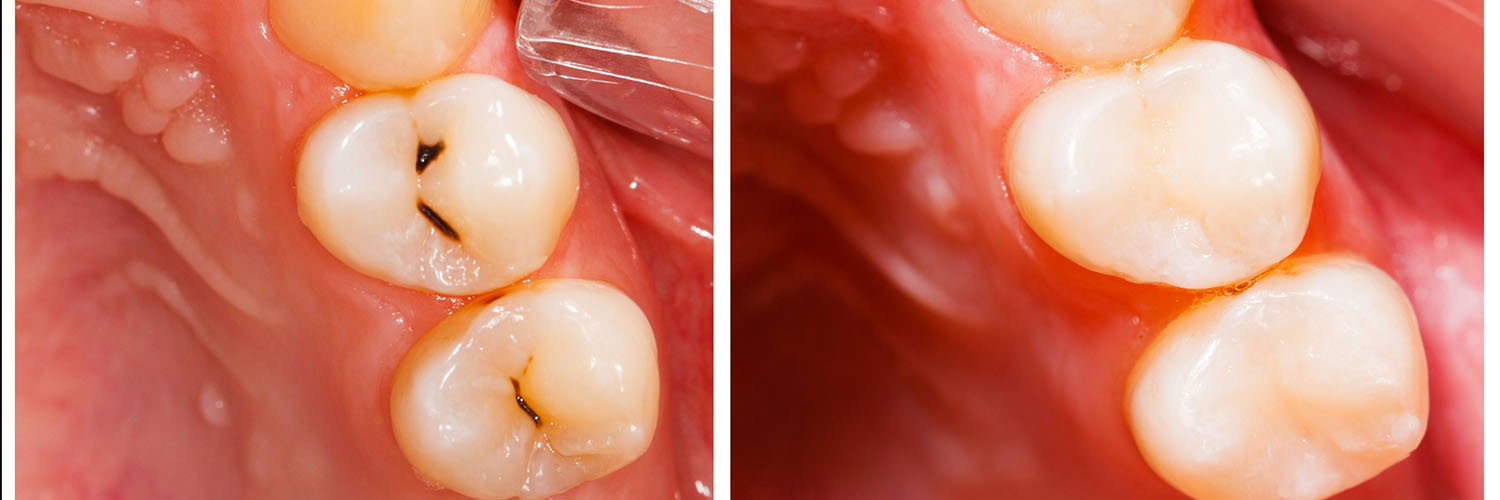
Restoration typically begins with a careful assessment and targeted anesthesia to ensure patient comfort. Once the tooth is numb, the dentist removes decayed or weakened tissue using high-precision instruments. The goal is to remove only what is necessary, leaving healthy tooth behind to support the filling.
After the cavity is cleaned and prepared, the tooth is isolated and a bonding protocol is followed. Composite resin is placed in thin layers, and each increment is hardened using a curing light. Layering allows the team to control contour, strength, and adaptation to the tooth’s internal anatomy.
When shaping is complete, the restoration is polished so it feels smooth against your tongue and fits comfortably with your bite. Most straightforward fillings are completed in a single appointment, and the final check ensures the tooth functions correctly when you chew and speak.
If a patient experiences anxiety about dental procedures, sedation dentistry options are available. Our clinicians take time to discuss comfort measures and tailor the approach to each patient’s needs so treatment is as calm and predictable as possible.
Composite fillings are mercury-free and metal-free, making them a preferred choice for patients who want an aesthetic and biocompatible restoration. The resin materials used today are formulated to resist staining and wear, and they can be polished to a natural luster that matches surrounding teeth.
Temporary sensitivity to temperature or pressure is common after a new filling as the tooth adjusts to the restoration and local anesthesia wears off. This sensitivity usually diminishes within a few days to a couple of weeks. If sensitivity is pronounced or persists, a follow-up visit allows the dentist to assess the bite, check the seal, and make any necessary refinements.
Safe placement relies on proper techniques—moisture control, careful layering, and careful finishing. In some cases, a protective liner or base is used beneath the composite to reduce sensitivity or protect deeper tooth structures when the decay is extensive.
Good oral hygiene is the foundation of long-term success for any restoration. Regular brushing with a fluoride toothpaste, daily flossing, and routine dental checkups help preserve both the filling and the surrounding tooth. During exams, your dental team will evaluate the margins of restorations and recommend professional cleaning or polishing as needed.
A restored tooth should be monitored for changes in color, recurrent decay at the margins, or alterations in bite. If you notice persistent discomfort when biting, an uneven chewing sensation, or a visible change in the filling, contact our office so the restoration can be examined and adjusted if necessary.
With attentive home care and periodic professional assessment, composite fillings can provide many years of dependable service. Avoiding habits that place extreme stress on teeth—such as chewing very hard objects—also helps extend the life of any restoration.
When follow-up care is needed, our team coordinates routine monitoring and, if required, restorative refinements to keep your tooth comfortable and functional for the long term.
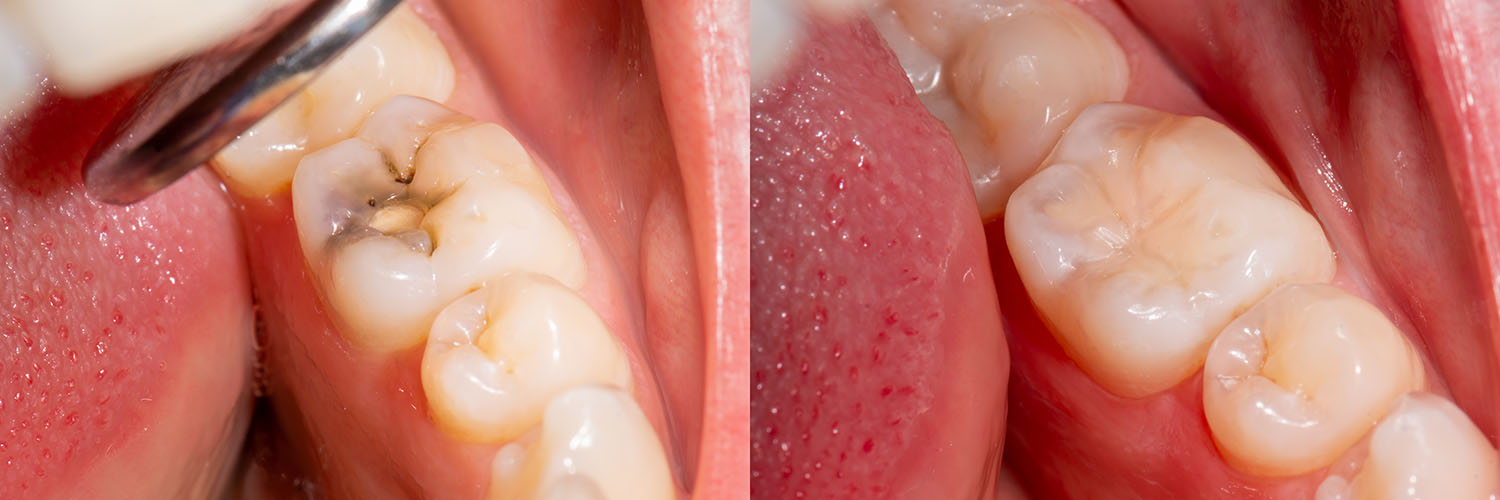
We aim to restore teeth in a way that looks natural, feels comfortable, and supports long-term oral health. If you have questions about composite fillings or whether they are right for you, Plaza Dental Parker is here to help.
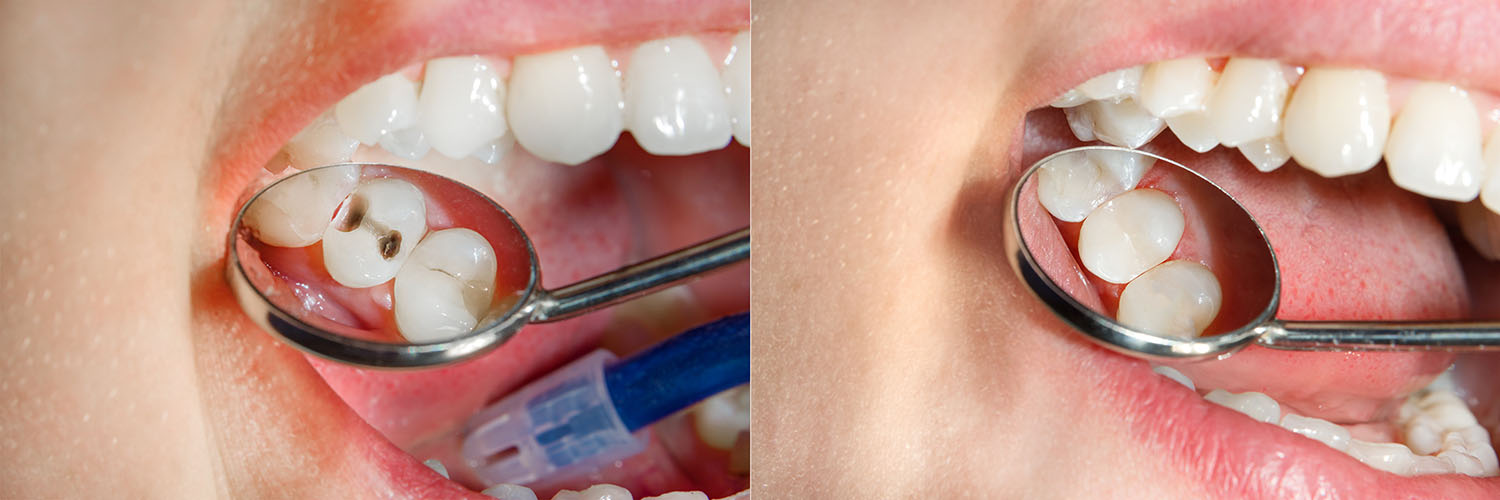

Composite, tooth-colored fillings are made from a resin material that can be shaded to match the surrounding enamel. They restore teeth affected by cavities or minor fractures while remaining visually discreet. The aesthetic result helps the repair blend with your natural smile.
Composite resin bonds to enamel and dentin, allowing dentists to preserve more healthy tooth structure during preparation. That adhesive approach creates a strong seal that helps resist further decay when combined with good oral hygiene. As a result, patients receive a restoration that supports chewing and speech while looking natural.
Placement begins with a careful exam and targeted anesthesia to ensure patient comfort. The dentist removes decay or weakened tissue using precise instruments while aiming to preserve healthy structure. After cleaning and isolating the tooth, a bonding protocol is followed to prepare the surface for the resin. Moisture control and isolation during this step are important for a reliable bond.
Composite is applied in thin layers and each increment is cured with a light to build strength and contour. Layering permits control over anatomy, color, and adaptation to the internal tooth structure. When shaping is complete, the restoration is finished and polished so it feels smooth and fits comfortably with your bite.
Modern composite materials are mercury-free and metal-free, and they are widely used for routine restorations. These resins are formulated to be biocompatible and to resist staining and wear under normal conditions. Manufacturers and clinicians continually refine formulations to improve durability and polishability.
Transient sensitivity after placement is common as the tooth adjusts and local anesthesia wears off, and it typically resolves within days to a few weeks. If sensitivity is pronounced or persists, a follow-up visit allows the dentist to check the bite and the marginal seal. Routine monitoring and proper technique during placement contribute to safe, long-lasting results.
The lifespan of a composite filling depends on factors such as the size and location of the restoration, the quality of the bond, oral hygiene, and chewing forces. Well-placed composite restorations can provide many years of reliable service when maintained properly. Patient habits and overall oral health play a major role in how long a filling endures.
Regular dental exams let clinicians evaluate margins and wear so small problems can be addressed before they become larger issues. Avoiding habits that place extreme stress on teeth, like chewing very hard objects, helps extend restoration life. When necessary, refinements or replacements can restore function and comfort without compromising adjacent teeth.
It is normal to feel numb for a few hours after anesthesia and to experience brief sensitivity to temperature or pressure as the tooth recovers. This sensitivity typically diminishes over several days to a couple of weeks as the restoration settles and tissues heal. Over-the-counter pain relievers and avoiding very hot or cold foods can ease temporary discomfort.
If you notice sharp pain when biting, prolonged sensitivity, or any swelling, contact your dental team for an evaluation. Small adjustments to the bite or refinishing the restoration can usually resolve discomfort related to occlusion or high contacts. Prompt follow-up helps protect the restored tooth and prevents more extensive treatment later.
Maintain good oral hygiene by brushing twice daily with fluoride toothpaste and flossing once a day to protect both the filling and surrounding tooth structure. Consistent plaque control reduces the risk of recurrent decay at restoration margins. Avoiding prolonged or aggressive use of teeth for nonfood items helps prevent chipping and wear.
Schedule regular dental checkups and professional cleanings so your clinician can monitor restoration margins and polish or adjust fillings when needed. If you grind or clench your teeth, ask about protective measures such as a night guard to reduce wear. Timely attention to small issues preserves function and extends the life of the restoration.
Fillings are the preferred option when decay or damage is limited and enough healthy tooth structure remains to support a restoration. When a tooth is extensively weakened, a crown or onlay may be recommended to provide additional coverage and strength. Root canal treatment followed by a crown can be appropriate when decay reaches the pulp or after significant fracture.
Dentists evaluate each case based on remaining tooth structure, functional demands, and long-term prognosis to recommend the most conservative effective solution. Preserving natural tooth whenever possible is a priority, and adhesive composite techniques often allow for more conservative care. Your clinician will explain the reasoning behind recommendations so you can make an informed decision.
Minor defects or marginal staining in an existing composite sometimes can be repaired without full replacement if the remaining bond and tooth structure are sound. The dentist inspects the restoration for gaps, recurrent decay, cracks, and marginal breakdown to determine the best approach. Spot repairs are conservative but not always possible when deterioration is extensive.
At Plaza Dental Parker, the dental team discusses repair and replacement options and selects a plan based on clinical findings and long-term function. Replacing a failing restoration may be necessary when decay extends under the filling or when the material no longer provides adequate support. Regular monitoring helps identify when intervention is needed so the tooth remains comfortable and functional.
Composite resins have improved stain resistance, but like natural teeth they can pick up surface discoloration from dark beverages, tobacco, and certain foods. Polishing during professional cleanings restores luster and can reduce surface staining. Avoiding stain-causing habits and practicing good hygiene helps maintain the aesthetic appearance of a filling.
Wear of composite material varies with chewing forces, diet, and parafunctional habits such as grinding. If wear is observed during exams, the team may recommend refinements, protective appliances, or alternative restorative options for high-stress areas. Proactive management preserves both function and appearance over time.
Before treatment, ask the dentist which material will be used, why it is recommended, and how the chosen option compares with alternatives in terms of conservation and appearance. Inquire about what to expect during the appointment, including anesthesia, the bonding process, and any postoperative sensations. Understanding the procedure helps reduce anxiety and prepares you for follow-up care.
If you feel anxious about dental visits, ask about sedation options and comfort measures so the team can tailor the experience to your needs. Also ask how the restored tooth will be monitored over time and when to schedule follow-up checks to ensure longevity. If you are visiting a practice in Parker, CO, bring any questions or concerns so your clinician can create a personalized plan.