In-depth clinical evaluation
Your initial appointment includes a thorough oral exam and a discussion of your alignment goals. This visit establishes baseline health and helps determine whether clear aligners are an appropriate treatment path.


Invisalign® offers a discreet, modern alternative to traditional braces for people who want to straighten their teeth without changing how they live. Using a series of clear, removable aligners planned with advanced digital tools, the system gradually guides teeth into better alignment. This page explains how the process works, who benefits most, and what to expect from treatment at Plaza Dental Parker.
Invisalign® treatment begins with a detailed evaluation and digital records that capture the current position of your teeth. Those records are used to create a step-by-step plan that shows how teeth will move from their starting positions to the desired outcome. Each aligner in the series is slightly different; wearing them in sequence produces controlled, gentle pressure that shifts teeth over time.
The planning phase relies on 3-D imaging and computer modeling to visualize the entire course of treatment before any aligner is made. This allows clinicians to anticipate tooth movements, stage complex corrections, and incorporate attachments or features that improve efficiency. Because the plan is mapped out in advance, both patient and provider can review a projected outcome and make adjustments when needed.
Throughout treatment, progress is monitored at regular check-ins, and new aligners are issued according to the schedule. Unlike fixed orthodontic appliances, aligners transfer forces differently and often require fewer emergency visits related to broken wires or brackets. The result is a high degree of predictability combined with the convenience of removable trays.
Your initial consultation focuses on a clinical exam and a discussion of your goals. If Invisalign® is a suitable option, the next step is a digital scan or impression to capture precise anatomy. That data is sent to create your customized treatment plan, including a visual simulation that shows projected stages of movement and the estimated number of aligners.
When your aligners are ready, you'll receive a set that you change out on a prescribed schedule—typically every one to two weeks. Most patients wear aligners 20–22 hours per day, removing them only to eat and for oral hygiene. Regular follow-up appointments allow your dental team to track progress, address any concerns, and provide the next phase of aligners as needed.
Mild soreness or pressure is normal after starting a new aligner and usually subsides within a few days. If attachments or elastics are part of the plan, your provider will explain how they work and when to use them. With attentive monitoring and consistent wear, the treatment progresses steadily toward the planned result.
Clear aligners can address a wide range of alignment issues, from mild crowding and spacing to many common bite concerns. They are an excellent option for adults and teens who value discretion and removability. Clinical suitability depends on oral health, the nature of the malocclusion, and patient commitment to wearing the aligners as directed.
Candidates must have healthy teeth and gums before beginning orthodontic movement; untreated decay or periodontal disease is managed first so tooth movement can proceed safely. In some cases, attachments or auxiliary techniques can expand the scope of what aligners can accomplish, allowing for predictable correction of more complex motions when planned by a trained clinician.
A thorough examination and digital review determine whether Invisalign® is the best modality for an individual patient. Even when aligners are appropriate, the treatment plan is tailored to each mouth rather than using a one-size-fits-all approach, ensuring efficient, measured progress toward functional and aesthetic goals.
Proper care of aligners and teeth is essential for both comfort and treatment success. Aligners are removable, which makes it easier to brush and floss thoroughly compared with fixed appliances. Patients should clean aligners daily using approved methods to avoid staining or buildup, and they should store trays in their case when not in use to prevent loss or damage.
Because aligners come out for meals, dietary restrictions are minimal—foods do not become trapped around brackets or wires. However, it’s important to avoid placing aligners back in the mouth without rinsing or brushing after eating to reduce the risk of staining and plaque accumulation. Consistent oral hygiene supports healthy tooth movement and the longevity of your results.
If minor discomfort occurs when switching aligners, over-the-counter pain relievers and soft foods for a short period typically provide relief. Any concerns about fit, wear schedule, or hygiene should be discussed at your scheduled visits so adjustments can be made quickly and safely.
At Plaza Dental Parker we combine clinical expertise with modern digital workflows to create an efficient and patient-centered Invisalign® experience. The process starts with an in-depth consultation, followed by a precise digital scan that eliminates the need for traditional putty impressions in most cases. From there, a customized plan is developed and reviewed with you so expectations are clear before treatment begins.
Our team emphasizes communication and convenience. We explain the role of attachments, the expected pace of movement, and how often you’ll return for monitoring. Education and support are central to our approach so you feel informed and comfortable at every stage of treatment. If adjustments to the plan are necessary, we address them collaboratively to keep progress on track.
Because every smile is unique, we tailor our recommendations to balance cosmetic goals with long-term oral health. Whether you are seeking a subtle alignment improvement or a more comprehensive correction, our clinicians guide you through the options and the clinical rationale behind them.
As pioneers in the field of aligner development and technology, the folks at Align Technology, Inc. gather data from millions of treated smiles to design systems that:
Custom-crafted to the specifications of your treatment plan, each Invisalign® tray contributes to a gradual, controlled progression toward the planned alignment. Swapping to the next tray in the series advances your treatment one step at a time, and periodic evaluations ensure the plan is performing as intended.
Because aligners are removable, you can continue to enjoy meals without modification and maintain your normal oral hygiene routine. The convenience of removal, combined with the precision of modern fabrication, makes aligner therapy a compelling option for many patients seeking orthodontic improvement.
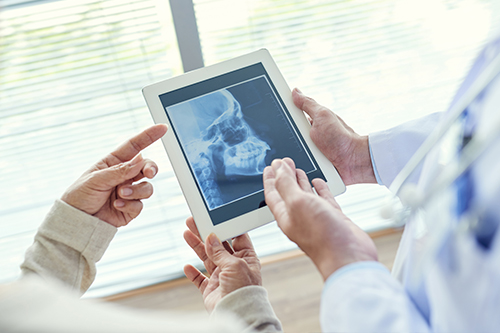
Your initial appointment includes a thorough oral exam and a discussion of your alignment goals. This visit establishes baseline health and helps determine whether clear aligners are an appropriate treatment path.
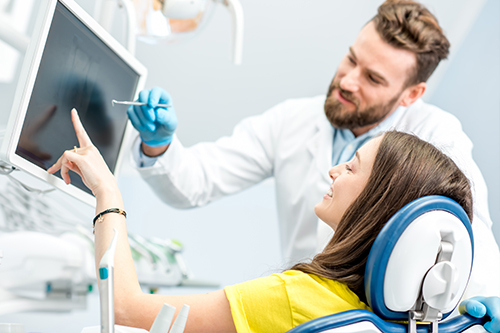
A quick, precise digital scan captures the details of your teeth and bite. You’ll receive a visual preview of your projected outcome, so you can see the planned progression before treatment begins.
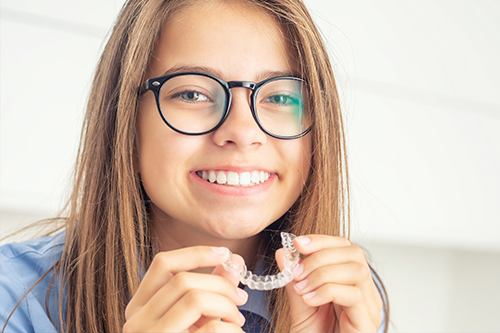
Aligners are manufactured to match your custom treatment plan. Each tray is designed with comfort and effective force application in mind, following the digital prescriptions developed for your case.

From the first set of aligners through the final refinement, your dental team provides guidance and monitoring to keep treatment progressing smoothly and to address questions as they arise.
*Invisalign® is a registered trademark of Align Technology, Inc.
Summary: Invisalign® combines digital planning, custom-fitted aligners, and regular clinical oversight to deliver a discreet, flexible approach to tooth alignment. If you’d like to learn more about how clear aligners could help you achieve a healthier, more confident smile, please contact us for more information.
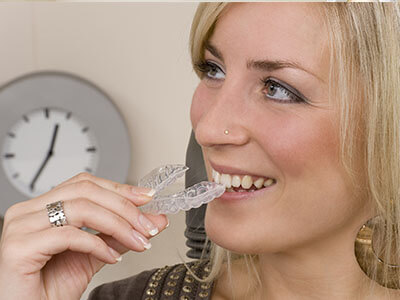
Invisalign® is a system of clear, removable aligners designed to move teeth gradually into a desired position. Your dentist creates a customized treatment plan using digital scans and 3-D computer modeling that map each stage of tooth movement. Each aligner applies gentle, controlled forces and is worn in sequence to achieve the planned progression.
Because the plan is visualized in advance, clinicians can predict movements, stage complex corrections, and add attachments when needed. Patients typically change to a new tray every one to two weeks according to the prescribed schedule. Regular clinical monitoring ensures the plan is performing as expected and allows adjustments if necessary.
Invisalign® is appropriate for many adults and teens who want a discreet alternative to fixed braces and who can commit to consistent wear. Common issues treated include mild to moderate crowding, spacing, and many bite concerns, though very complex movements may still require traditional orthodontics. A thorough clinical exam and digital assessment determine whether clear aligners can meet a patient’s functional and aesthetic goals.
Candidates must have healthy teeth and gums before starting orthodontic movement, so any decay or periodontal issues are addressed first. The success of aligner therapy depends heavily on patient compliance, typically requiring 20–22 hours of wear per day. When indicated, attachments or auxiliaries help expand the range of motions that aligners can accomplish.
Treatment begins with a detailed consultation that includes a clinical exam and a precise digital scan or impressions to capture your current dental anatomy. Those records feed into 3-D treatment planning software that simulates the staged movements and produces a visual preview of the estimated outcome. The plan is reviewed with the patient so expectations, staging, and any use of attachments or elastics are understood before aligners are fabricated.
During active treatment, patients return for periodic check-ins so the dental team can verify progress and dispense the next sets of aligners. Because aligner systems avoid many of the emergency issues associated with brackets and wires, follow-up visits often focus on tracking movement and addressing fit or hygiene questions. If refinements are needed, the clinician can modify the plan and produce additional aligners to complete the intended result.
Most patients wear Invisalign® aligners about 20–22 hours each day, removing them only to eat and to perform oral hygiene. Removing trays for meals eliminates many dietary restrictions associated with braces and makes brushing and flossing simpler. It is important to rinse or brush your teeth before reinserting aligners to reduce staining and plaque buildup.
Aligners should be cleaned daily using recommended methods such as gentle brushing with a soft brush and rinsing with lukewarm water or approved cleaning solutions. Trays should be stored in their case whenever they are not in use to prevent loss or damage. If you notice persistent discomfort, fit issues, or damage, contact your dental team for guidance at your scheduled visit.
Attachments are small tooth-colored shapes bonded to teeth that improve the aligner's grip and enable specific movements like rotations or extrusions. Elastics may be used in some cases to correct bite relationships and are integrated into the treatment plan when needed. Both attachments and elastics are prescribed by the clinician and their use is explained during the planning phase.
Attachments are discrete and are removed once the needed movement is complete, while elastics require patient compliance to be effective. Your dental team will demonstrate how to place and care for elastics and will set expectations for wear time and hygiene. These auxiliaries expand the types of corrections achievable with clear aligner therapy while maintaining the system’s removable benefits.
Invisalign® offers a removable, low-profile option that many patients prefer for cosmetic and lifestyle reasons, while traditional braces use brackets and wires to apply continuous force. Aligners generally make oral hygiene easier since trays are removed for brushing and flossing, and they reduce the likelihood of emergency visits related to broken components. Treatment planning for aligners relies heavily on digital simulation, which can offer a clear preview of staged movements before treatment begins.
Braces may still be the preferred choice for very complex tooth movements or cases requiring significant skeletal changes, and some clinicians use both methods in combined approaches. The choice between aligners and braces depends on specific clinical needs, patient preferences, and the practitioner’s recommendation. A consultation with a trained dentist or orthodontist determines the most appropriate modality for long-term functional and aesthetic outcomes.
Treatment duration varies with the complexity of the case, patient age, and adherence to the prescribed wear schedule, so timelines are individualized rather than uniform. Many patients observe substantial changes within several months, while full treatment often falls in a range from under a year to a year or more for more comprehensive corrections. Your clinician will provide an estimated timeline during the planning phase based on the 3-D simulation and the number of staged aligners.
Regular monitoring helps ensure that movement stays on track and allows for timely refinements if progress differs from the projected plan. Maintaining consistent wear and following care instructions typically yields the most efficient progression through aligner stages. Any changes to timing will be discussed with you so expectations remain clear throughout treatment.
Yes — many adolescents are suitable candidates for Invisalign® treatment, and the system has specific aligner designs intended for teen patients. Clinicians look for commitment to wearing aligners consistently and evaluate developmental factors such as remaining growth that could influence timing. When indicated, features like compliance indicators or parental supervision help monitor wear and encourage adherence to prescribed schedules.
Regular appointments allow the dental team to track progress and reinforce proper hygiene and wear habits with both parents and teens. Because aligners are removable, teens can maintain sports and musical activities without the same restrictions required by fixed appliances. The clinician balances orthodontic needs with lifestyle considerations to create a plan that supports both effectiveness and daily routines.
After finishing active aligner therapy, most patients transition to a retention phase to maintain the new tooth positions and minimize relapse. Retainers, which may be removable or fixed, are prescribed based on the case and help preserve the result while tissues stabilize around the moved teeth. Your clinician will explain the recommended type and wear schedule for retention during the final stages of treatment.
Follow-up visits during the retention period let the dental team assess stability and make adjustments if minor settling occurs. Good oral hygiene and routine dental care contribute to long-term success and the health of supporting structures. If any concerns arise, contacting your clinician promptly ensures timely evaluation and intervention.
At Plaza Dental Parker, your first step is a comprehensive consultation that includes a clinical exam, digital scanning, and a review of treatment goals and expectations. The team will walk you through the 3-D treatment preview, discuss any recommended attachments or auxiliaries, and explain the schedule for follow-up visits and aligner changes. Education about daily wear, cleaning protocols, and troubleshooting is provided so you feel prepared before treatment begins.
Throughout care, clinicians at Plaza Dental Parker monitor progress closely and communicate openly about refinements or next steps as needed. Their approach emphasizes clinical expertise, modern digital workflows, and patient comfort to support predictable tooth movement and a positive experience. If you decide to proceed, the office coordinates the custom fabrication and the stepwise delivery of your aligner sets.