Dental Emergencies Welcome | Welcoming New Patients

Our Office
10470 S. Progress Way
Suite 100
Parker, CO 80134
Existing Patients: 720-870-9500
New Patients: (720) 640-4406
Visit Us Online


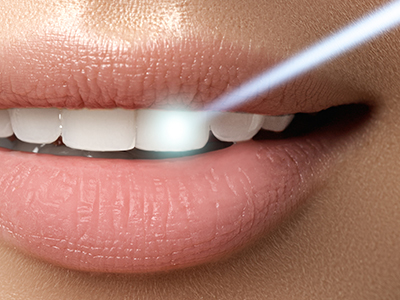
Laser dentistry uses focused light energy to perform specific dental procedures with precision and minimal discomfort. At Plaza Dental Parker, our laser technology is used primarily for soft-tissue treatments, particularly in periodontal care and hygiene procedures. Rather than relying on traditional surgical tools, lasers interact with gum tissue at a microscopic level—removing bacteria and diseased tissue while preserving surrounding healthy areas.
Patients often hear “laser dentistry” and assume it applies to all types of dental treatment. In reality, different lasers are designed for different purposes. Our focus is on soft-tissue applications, especially in the treatment of gum disease and maintaining oral health during hygiene visits. This targeted approach allows us to provide effective, minimally invasive care that supports healing and long-term gum health.
At Plaza Dental Parker, we incorporate laser technology as part of a thoughtful, patient-centered treatment plan. When used appropriately, it can improve comfort, reduce inflammation, and enhance the effectiveness of periodontal care. While lasers are not used for restorative procedures in our office, they play an important role in supporting gum health and overall oral wellness.
Dental lasers concentrate light into a precise beam that delivers controlled energy to soft tissue. When this energy interacts with the gum tissue, it targets bacteria and infected areas while helping to disinfect and stimulate healing. The laser can also seal small blood vessels and nerve endings during treatment, which contributes to a more comfortable experience.
Unlike traditional surgical tools, lasers allow for a gentler approach with less disruption to surrounding tissue. This makes them especially effective for periodontal therapy and hygiene procedures, where maintaining healthy gum structure is essential. Patients often experience less irritation and improved healing following laser-assisted care.
Because of this precision, laser technology is an excellent complement to periodontal treatment. It allows the dental team to work efficiently while supporting the body’s natural healing response, making it a valuable tool in maintaining long-term gum health.
One of the most noticeable benefits of laser-assisted treatment is improved comfort. Many patients experience less sensitivity during and after their visit compared to traditional methods. The gentle nature of laser therapy makes it especially helpful for patients who may feel anxious about dental procedures or who have sensitive gums.
Laser technology also promotes a healthier healing environment. By reducing bacteria and minimizing trauma to the tissue, it helps decrease inflammation and supports faster recovery. This is particularly beneficial for patients undergoing periodontal therapy or managing gum disease.
Another key advantage is the ability to preserve healthy tissue. Because the laser targets only affected areas, it allows for a more conservative and precise approach to treatment. This supports long-term gum stability and overall oral health.
At Plaza Dental Parker, laser technology is primarily used to support periodontal care and enhance hygiene treatments. During cleanings, lasers can help reduce harmful bacteria below the gumline, improving the effectiveness of the procedure and supporting healthier gums.
For patients with gum disease, laser therapy can assist in removing infected tissue and promoting reattachment of healthy gum tissue. This approach is minimally invasive and designed to improve outcomes while keeping patients comfortable throughout the process.
It is important to note that while lasers are a valuable tool in soft-tissue care, they are not used in our office for restorative procedures such as fillings or crown preparation. Instead, they are carefully integrated into treatments that focus on gum health and periodontal stability.
Before your treatment, our team will evaluate your oral health and determine whether laser-assisted care is appropriate for your needs. We will explain the procedure and answer any questions so you feel confident and informed before beginning.
During the procedure, patients typically notice a gentle sensation with minimal discomfort. The process is quiet and efficient, and many patients appreciate the more relaxed experience compared to traditional methods. Protective eyewear is used to ensure safety throughout the treatment.
After treatment, recovery is usually smooth and straightforward. Patients may experience mild tenderness, but significant swelling or bleeding is uncommon. Following proper oral hygiene and any recommended aftercare instructions will help support optimal healing and long-term results.
Laser dentistry at Plaza Dental Parker focuses on soft-tissue care and periodontal health, offering a precise and comfortable way to manage gum disease and enhance hygiene treatments. By using advanced laser technology in a targeted and thoughtful way, we help patients achieve healthier gums and improved overall oral wellness. Contact our office to learn more about how laser-assisted care can benefit you.
Laser dentistry uses concentrated beams of light to interact with oral tissues in a controlled way, allowing clinicians to cut, vaporize, or coagulate targeted cells with high precision. The laser energy is absorbed by water or pigment in the tissue, which produces effects such as vaporization of soft tissue or modification of hard tissue structure at a microscopic level. This targeted action helps reduce collateral damage to surrounding healthy tissue compared with less precise instruments.
Lasers are delivered through handheld devices that let the clinician adjust power, pulse duration, and wavelength to match the clinical goal and tissue type. Different wavelengths produce different interactions, so the dentist selects the appropriate laser and settings for the task. When used as part of a comprehensive treatment plan, lasers can complement traditional instruments to improve outcomes and patient comfort.
Several laser types are commonly used in dentistry, each optimized for particular tissues and procedures. Diode lasers are frequently used for soft-tissue procedures like gum contouring and reduction of bacteria, while erbium and CO2 lasers are more effective on both soft tissue and certain hard-tissue applications such as conservative removal of decay or preparation of tooth structure. Nd:YAG and other specialized lasers are sometimes used for periodontal pocket decontamination and specific surgical tasks.
Because wavelengths determine how energy is absorbed, clinicians choose a laser based on the treatment objective and the anatomy involved. Some lasers excel at reducing bleeding and sealing small vessels during soft-tissue work, while others are calibrated to ablate or condition enamel and dentin. Understanding the capabilities and limits of each laser type is essential to selecting the right option for a given case.
Laser dentistry can offer several clinical and patient-centered advantages, including increased precision, reduced bleeding, and often less post-operative swelling. The ability of lasers to seal small blood vessels and nerve endings as they work can translate to more comfortable recoveries and sometimes reduced need for sutures. Many patients also report a quieter, less vibratory experience compared with dental handpieces, which can reduce anxiety for those sensitive to noise or vibration.
Clinically, lasers help conserve healthy tissue by targeting only the area that requires treatment, which may preserve more natural tooth structure or gingival architecture. Lasers can also enhance visibility in the treatment field by controlling hemorrhage, and certain laser protocols support improved disinfection of pockets and preparation sites. These benefits make lasers a valuable adjunct in both restorative and periodontal care when appropriate.
Yes, lasers are not a universal substitute for all dental instruments and techniques; some procedures still require conventional handpieces, scalpels, or surgical approaches. For example, large restorative preparations, complex extractions, or certain implant surgeries commonly require mechanical instrumentation and surgical tools that lasers cannot replace. In other cases, the anatomy or the location of the problem may limit access or visibility for a laser approach.
Additionally, the effectiveness of a laser depends on the wavelength and the clinical goal, so a dentist may recommend traditional methods when they better meet the objectives of long-term function and durability. Clinical judgment, diagnostic imaging, and a full review of alternatives guide the choice of tools rather than a blanket preference for lasers.
Preparation for a laser procedure generally mirrors preparation for comparable dental treatments and typically begins with a thorough medical and dental history and an exam to confirm candidacy. Your dentist will review any medications, medical conditions, or existing oral health concerns that could affect treatment and will explain the planned steps and expected aftercare. In many soft-tissue procedures, no special fasting or tests are required, but the clinician will provide specific instructions if sedation or more invasive measures are anticipated.
On the day of the appointment, follow any instructions provided by the office regarding oral hygiene, arrival time, or temporary medication adjustments. Wear any recommended protective eyewear during the procedure, and inform the team if you have a history of photosensitive conditions or take medications that increase light sensitivity. Clear communication with your dental team ensures safe and effective laser use.
During a laser procedure you may notice a warm sensation, a faint smell, or mild vibration depending on the instrument and the treated tissue; these are common and expected. Protective eyewear will be worn by the patient and all staff in the operatory to shield the eyes from the specific wavelength in use, and the clinician will confirm settings that match the planned treatment. Local anesthesia is often reduced or unnecessary for smaller soft-tissue procedures, but your dentist will recommend appropriate pain control based on the scope of the work.
Immediately after treatment you can usually expect less bleeding and swelling than with comparable surgical techniques, and many patients report quicker functional recovery. Your dentist will provide tailored aftercare instructions such as gentle oral hygiene measures, dietary precautions, and any necessary topical or systemic medications to support healing. Follow-up visits may be scheduled to monitor healing and confirm treatment outcomes.
Laser dentistry is safe when performed by providers who have received specific training in the lasers they use, understand tissue interactions at each wavelength, and follow recommended safety protocols. Proper training covers device operation, power and pulse settings, protective measures such as eyewear and signage, and recognition of contraindications. Clinics should also maintain equipment according to manufacturer and regulatory guidance to ensure consistent performance.
Patients can ask their dentist about formal laser training, years of experience with the technology, and how the office maintains safety standards. A qualified clinician will explain why a laser is recommended for a particular procedure and how they will manage potential risks, which helps ensure the treatment is performed with appropriate expertise and oversight.
Lasers have a role in a variety of procedures but their specific applications differ across treatments. For small, conservative cavity preparations some lasers can remove decayed tissue and prepare surfaces for bonding, though conventional rotary instruments remain standard for many restorations. In tooth whitening, certain lasers and light sources are used to activate bleaching agents during in-office treatments to enhance the whitening process when clinically indicated.
In periodontal care, lasers can assist with pocket decontamination, removal of diseased epithelial tissue, and reduction of bacterial load in areas that are otherwise difficult to access. The dentist will evaluate the disease severity and select the most appropriate combination of scaling, surgery, or laser therapy to achieve predictable periodontal stability and oral health.
Lasers often promote favorable healing by sealing small blood vessels and nerve endings as they work, which can reduce bleeding, swelling, and immediate discomfort after soft-tissue procedures. The reduced inflammatory response and precise tissue removal commonly translate to a more comfortable recovery and simplified home care. However, healing depends on the extent of the procedure and the patient's overall health, so individual experiences vary.
Aftercare instructions typically focus on gentle oral hygiene, avoiding trauma to the treated area, and following any dietary or medication guidance provided by the dentist. Keep scheduled follow-up visits so your clinician can assess healing progress, and report any unexpected pain, heavy bleeding, or signs of infection promptly. Adhering to post-operative directions supports optimal tissue repair and long-term results.
The decision to use a laser is based on a comprehensive clinical assessment that considers the diagnosis, the anatomy involved, the desired outcome, and the available evidence for success with laser-assisted methods. Your dentist will review your medical history, perform an intraoral exam and any necessary imaging, and discuss alternatives so you understand why a laser approach is being recommended or why conventional tools may be preferred. This individualized planning ensures the chosen technique aligns with both functional and aesthetic goals.
At Plaza Dental Parker in Parker, CO, our clinicians integrate laser options into care plans only when they provide a clear benefit for healing, tissue preservation, or patient comfort. We encourage patients to ask questions about the role of lasers in their treatment and to request information about the specific laser technology and protocols the office uses. Clear communication helps patients make informed decisions about their care.