Dental Emergencies Welcome | Welcoming New Patients

Our Office
10470 S. Progress Way
Suite 100
Parker, CO 80134
Existing Patients: 720-870-9500
New Patients: (720) 640-4406
Visit Us Online


At the office of Plaza Dental Parker, we take a purposeful, prevention-first approach to oral health. Regular oral exams give our team the chance to monitor changes in your mouth, identify potential problems early, and offer clear guidance so you and your family can keep your smiles healthy and comfortable. Our preventive services include thorough exams, professional cleanings, oral cancer screenings, and practical patient education on hygiene, nutrition, and daily habits that protect long-term dental health.
Your initial visit establishes a baseline that guides care for years to come. We begin by reviewing your medical and dental history, listening closely to any concerns you may have, and asking about symptoms such as sensitivity, pain, or changes in chewing or speech. This conversation shapes the clinical portion of the exam so we can focus on what matters most to you.
The hands-on examination inspects each tooth, the surrounding gum tissue, and the soft tissues of the mouth, head, and neck. We evaluate how your bite works and look for signs of wear that suggest grinding or clenching. When appropriate, we take diagnostic images to look beneath the surface and confirm what we observe during the clinical exam.
After gathering this information, your dentist and hygienist will discuss findings in plain language and explain options for maintaining or improving oral health. Our goal is to leave you with a clear plan — whether that means preventive maintenance, monitoring, or targeted treatment — so you feel informed and empowered about your care.
Children and adults alike benefit from an initial oral exam tailored to their needs. For younger patients we pay special attention to growth, development, and habits that influence future alignment, while with adults we monitor restorations, gum health, and risk factors that change over time.
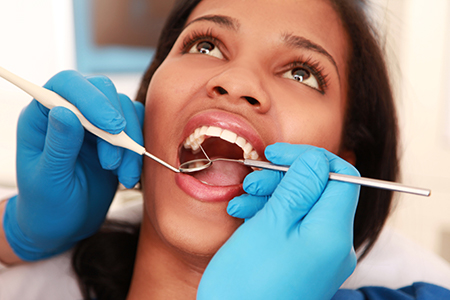
An oral exam is more than a dental check — it can be a window into broader health. The mouth often shows early signs of systemic conditions, and careful inspection can reveal indicators such as persistent dry mouth, unusual sores, or gum inflammation that merit further medical attention. Identifying these signs early helps coordinate care between dental and medical providers when needed.
Research increasingly shows links between oral disease and systemic issues like diabetes, cardiovascular conditions, and respiratory problems. During a routine exam we remain alert to patterns that suggest a need for further evaluation, and we discuss any observable red flags with patients so they understand the potential implications.
Oral cancer screening is a standard part of our comprehensive exam. We visually check the tongue, lips, floor of the mouth, and other soft tissues, looking for any persistent lumps, discolorations, or lesions. Early detection makes a significant difference in outcomes, which is why screening is an essential, routine element of preventative care.
We also consider how medications, diet, and lifestyle habits affect oral tissues. For example, certain medications can reduce saliva flow and increase decay risk; recognizing these connections lets us recommend targeted strategies to reduce complications and preserve oral comfort and function.
Keeping teeth and gums healthy depends on consistent care at home and professional maintenance. During a routine checkup we remove plaque and tartar buildup, polishes away surface stains, and perform a careful evaluation for early decay or gum disease. These visits are an opportunity to refresh your home-care routine and learn techniques that reduce risk between appointments.
Even the most diligent brushing and flossing can miss areas where plaque accumulates, especially below the gumline or between crowded teeth. Professional cleanings remove mineralized deposits that harbor bacteria responsible for cavities and periodontal disease, helping prevent progression to more complex problems.
During these visits our team also measures gum health and monitors pocket depths where appropriate, so we can detect early signs of gum disease and recommend interventions before irreversible damage occurs. Education is a big part of this appointment — we’ll demonstrate practical tips and tailor recommendations to your unique needs.
We encourage routine exams at intervals determined by individual risk factors. For many patients, twice-yearly visits offer the best balance of prevention and early detection; others with higher risk may need more frequent monitoring. Your provider will suggest an interval that fits your oral health profile.
Visual inspection provides a great deal of information, but diagnostic imaging reveals the structures hidden from view. Digital radiographs and other imaging tools let us examine tooth roots, supporting bone, and areas between teeth where early decay often develops. These images are an essential complement to the clinical exam.
Digital x-rays offer important advantages: they require less radiation than older film techniques, the images are available instantly for review, and they can be stored securely in your electronic record. Because the images load quickly, we can discuss findings with you during the same appointment and use them to plan any necessary treatment.
Images can also document changes over time, making it easier to track the progression or stability of conditions. This visual history helps your dentist make informed recommendations and ensures continuity of care as your oral health needs evolve.
We always use imaging judiciously and explain why a particular image is recommended. Your safety and comfort guide our choices, and we balance the clinical value of each image against the principle of using only what is necessary for accurate diagnosis and effective treatment planning.

Not all x-rays are the same; each type provides a different perspective and serves a specific purpose. Periapical images focus on a single tooth and its root structure, making them useful when we suspect root problems or need to assess the bone around a particular tooth. Bitewings highlight the crowns of back teeth and are ideal for spotting early decay between teeth.
A full-mouth series combines bitewing and periapical images to give a complete picture of the dentition when a comprehensive assessment is needed. Panoramic films provide a broad, two-dimensional view of the entire jaw and are especially helpful for evaluating eruptions, impacted teeth, and general jawbone health.
In certain cases, three-dimensional imaging such as cone-beam computed tomography (CBCT) provides detailed views of bone anatomy and tooth position that guide complex treatment planning, including implant placement or surgical procedures. We recommend these scans only when the additional detail directly impacts diagnosis or treatment.
Before taking any x-rays, we’ll review their purpose with you and consider your individual history and risk factors. Our approach is always patient-centered, balancing diagnostic benefit with prudent use of technology to support accurate, comfortable care.
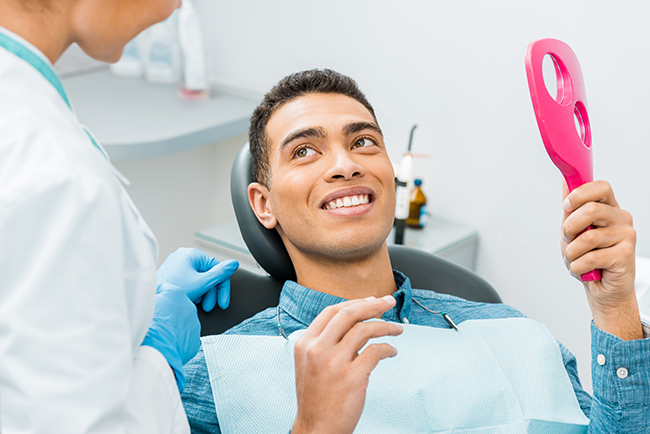
In summary, regular oral exams are the foundation of lasting dental health. They allow our team to detect small issues before they become larger problems, to screen for conditions that affect overall wellness, and to tailor preventive strategies to each patient’s needs. If you would like more information about what to expect during an oral exam or how often you should be seen, please contact us for further details.

A routine oral exam begins with a review of your medical and dental history and a conversation about any concerns or symptoms you may have, such as sensitivity, pain, or changes in chewing. The dentist and hygienist perform a hands-on inspection of each tooth, the surrounding gum tissue, and the soft tissues of the mouth, head, and neck to look for signs of decay, infection, or other abnormalities. They also evaluate how your bite functions and check for wear patterns that may indicate grinding or clenching.
When indicated, diagnostic images are taken to reveal areas not visible during the clinical exam and to confirm any observations. After gathering findings, the team explains results in clear language and outlines options for prevention, monitoring, or treatment based on your needs. Education on home care, nutrition, and habit modification is provided so you leave with practical steps to protect your oral health.
Your initial oral exam establishes a baseline that guides care for years to come, documenting the condition of teeth, restorations, gums, and soft tissues at a specific point in time. At Plaza Dental Parker this information helps clinicians compare future exams to your baseline, making it easier to detect subtle changes early when treatment is most effective. The first visit also allows the team to tailor preventive recommendations and select appropriate diagnostic tools for your individual risk profile.
During that appointment you can expect a thorough discussion of health history, current symptoms, and lifestyle factors that influence oral wellness. The provider will use both visual inspection and, when necessary, imaging to complete a comprehensive assessment and then present a clear plan for ongoing care. Establishing this foundation creates a shared reference that supports continuity and more precise decision-making as needs evolve.
Frequency of oral exams depends on your individual risk factors, including history of cavities, gum disease, systemic health conditions, medication use, and oral hygiene habits. Many patients find twice-yearly visits provide a good balance of prevention and early detection, while others with higher risk may benefit from more frequent monitoring to manage disease progression. Your provider will recommend an interval that reflects your current oral health status and any changing risk factors.
During routine exams the team assesses periodontal health, measures pocket depths when appropriate, and evaluates restorations to ensure they remain stable and functional. These checkups also offer an opportunity to refresh home-care techniques and address emerging concerns before they require more complex treatment. Following a personalized schedule helps reduce the likelihood of advanced problems and preserves long-term oral function.
Yes, oral cancer screening is a standard component of a comprehensive oral exam and involves a careful visual and tactile inspection of the lips, tongue, floor of the mouth, cheeks, and surrounding tissues. The clinician looks for persistent lumps, sores, discolorations, or other changes that could indicate a need for further evaluation, and discusses any findings and next steps with the patient. Early detection of suspicious lesions significantly improves the chances of successful treatment and better outcomes.
The screening may be supplemented by additional diagnostic aids or referral when warranted, and clinicians consider risk factors such as tobacco use, alcohol consumption, and HPV exposure during the assessment. Patients are encouraged to report any persistent oral changes between appointments so suspicious findings can be addressed promptly. Clear communication and routine screening together form an important defense against late-stage diagnoses.
Digital x-rays are an essential complement to the clinical exam because they reveal structures hidden from view, such as tooth roots, supporting bone, and the areas between teeth where early decay often develops. These images load quickly, require less radiation than older film methods, and can be reviewed with you during the same appointment to explain findings and guide treatment planning. When a broader overview is needed, panoramic imaging provides a two-dimensional view of the jaws and teeth to evaluate eruptions and general bone health.
Three-dimensional imaging, such as cone-beam computed tomography (CBCT), is reserved for cases where detailed views of bone anatomy and tooth position will directly affect diagnosis or treatment decisions, for example in implant planning or complex surgical cases. The practice uses these tools judiciously, balancing clinical benefit with prudent use of technology and always explaining the purpose of any recommended scan. Imaging also helps create a visual record to track changes over time and support continuity of care.
An oral exam can provide early clues to systemic conditions because the mouth often reflects changes associated with diseases like diabetes, autoimmune disorders, and nutritional deficiencies. Signs such as persistent dry mouth, unusual sores, gum inflammation, or changes in tissue appearance may prompt coordination with a medical provider for further evaluation. Recognizing these patterns early allows the dental team to advise patients on potential implications and support integrated care when necessary.
Clinicians also review medications, diet, and lifestyle factors that influence oral tissues, since certain drugs can reduce saliva flow or increase decay risk and dietary choices impact oral and systemic inflammation. By discussing these connections, the team can recommend targeted strategies to reduce complications and preserve oral comfort and function. This holistic perspective helps protect both dental and overall health through timely detection and appropriate referrals.
Before an oral exam you should provide an up-to-date medical history, a list of current medications and supplements, and information about any recent illnesses or surgeries, as these details can affect diagnosis and treatment choices. Be sure to mention symptoms such as pain, sensitivity, difficulty chewing, bleeding gums, or any persistent sores, even if they seem minor. Also share lifestyle factors like tobacco or alcohol use and any history of sleep apnea or bruxism so the team can assess related risks.
If you have dental anxiety or anticipate needing sedation, tell the office in advance so they can discuss options to make your visit more comfortable and safe. Informing your provider about recent imaging or treatments from another dentist helps maintain continuity and avoids unnecessary duplication of tests. Clear communication before the appointment enables a focused, efficient exam tailored to your needs.
Yes, oral exams for children focus on growth and development, monitoring tooth eruption, jaw alignment, and habits such as thumb-sucking or prolonged pacifier use that can influence future orthodontic needs. Pediatric exams also assess the risk of early childhood caries and emphasize age-appropriate education for parents about nutrition, fluoride use, and effective home-care techniques. The approach is preventive and anticipatory, aiming to guide healthy dental development and avoid problems that can become more complex later.
For adults the exam places greater emphasis on restorations, gum health, and age-related risk factors such as medication effects or systemic conditions that influence oral tissues. Both age groups benefit from routine screening for pathology and tailored prevention plans, but the priorities and counseling differ to reflect the stage of life and unique risk profiles. Regular, developmentally appropriate exams help establish lifelong habits and catch issues early.
Professional cleanings remove plaque and tartar that are difficult to eliminate with home care alone, polishing away surface stains and reducing the bacterial load that contributes to decay and periodontal disease. The hygienist scales above and below the gumline as needed and then polishes teeth to smooth surfaces where plaque can accumulate, improving both health and appearance. This process helps prevent progression to more complex conditions and creates a cleaner environment for tissue healing and maintenance.
During the appointment the team also measures gum pocket depths when appropriate and evaluates sites that may require closer monitoring or specialized periodontal care. Cleanings are educational opportunities as well, with demonstrations of brushing and flossing techniques tailored to your anatomy and any problem areas. These visits reinforce preventive habits and support long-term oral stability when combined with the recommended exam schedule.
Decisions about x-rays are based on your individual risk factors, clinical findings, and the information needed to make an accurate diagnosis or plan treatment. The dentist evaluates your history, visible exam findings, and any specific concerns to determine whether bitewing, periapical, panoramic, or three-dimensional imaging is appropriate. The team always explains the purpose of each recommended image and how it will inform care.
Digital radiography allows clinicians to obtain high-quality images with reduced radiation exposure and to review them with you during the appointment, supporting shared decision-making. Imaging is used judiciously to balance diagnostic benefit with patient safety, and prior records are considered to avoid unnecessary repetition. This tailored approach ensures you receive the right images at the right time to support effective, efficient care.