Dental Emergencies Welcome | Welcoming New Patients

Our Office
10470 S. Progress Way
Suite 100
Parker, CO 80134
Existing Patients: 720-870-9500
New Patients: (720) 640-4406
Visit Us Online


At the office of Plaza Dental Parker, we focus on nurturing a healthy, confident smile from the very first tooth. Our approach combines preventive care, age-appropriate education, and a calm, friendly atmosphere so children—and their parents—feel supported at every stage of dental development.

The foundation of a healthy smile begins long before a child’s permanent teeth come in. Early visits introduce kids to the sights, sounds, and routines of dental care and give parents practical guidance on brushing, flossing, and oral hygiene milestones. These check-ins build trust and reduce fear, so future visits are seen as routine rather than stressful.
Preventive attention also helps identify potential concerns while they are still easy to address. Our team emphasizes simple, effective strategies—consistent brushing, limiting sugary snacks and drinks, and developing a bedtime routine without bottles or juice—that dramatically reduce the risk of decay and promote oral comfort and function.
We pair practical instruction with a gentle, child-centered approach. Children respond best to encouragement, clear explanations, and an environment that feels safe and welcoming. By making dental care straightforward and age-appropriate, we help families turn daily habits into lifelong protection for teeth and gums.
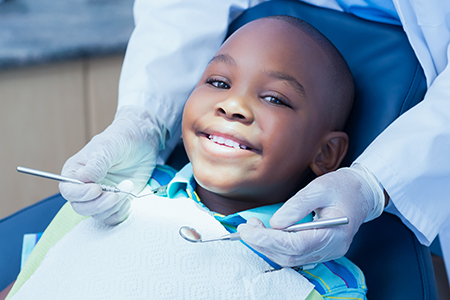
Routine exams do more than clean teeth—each visit is a chance to assess growth, function, and risk factors. During an exam, the clinician will review medical history, examine the teeth and surrounding tissues, and look for early signs of decay, misalignment, or bite issues. For children who need it, quick digital radiographs help reveal what can’t be seen with the naked eye.
A professional cleaning removes plaque and polishes tooth surfaces while teaching children how to care for their teeth between visits. We tailor instruction to your child’s age and abilities, introducing tools and techniques that build independence and confidence. Our goal is to make each appointment informative, efficient, and reassuring for both child and caregiver.
Regular checkups are also an opportunity to discuss preventive treatments such as topical fluoride and sealants, which protect vulnerable chewing surfaces. We take time to explain how these measures work and who is likely to benefit, so families can make informed decisions about their child’s oral health plan.
Consistent visits allow us to catch small problems before they become larger—early detection often means less invasive treatments. Monitoring a child’s dental development across routine appointments makes it easier to time interventions appropriately and to track how habits, diet, and growth affect oral health over time.
Children’s mouths change quickly; something that looks fine one visit can evolve in months. By seeing your child regularly, we can offer targeted guidance and timely care that supports comfortable chewing, clear speech, and an aligned smile as they grow.
Tooth decay remains one of the most common preventable conditions in childhood, but it is largely avoidable with consistent habits and appropriate professional support. We discuss the role of bacteria, frequent exposure to sugars, and prolonged bottle or sippy cup use in promoting decay—and we provide clear, achievable steps to reduce those risks.
Parents often welcome straightforward techniques to minimize exposure to harm, from swapping sugary drinks for water to supervising brushing until a child can reliably handle a toothbrush. Small changes at home make a measurable difference in long-term oral health.
Make dental visits part of the routine from infancy—early familiarity reduces anxiety later.
Begin cleaning baby teeth as soon as they appear and transition to supervised brushing with a soft-bristled brush.
Avoid putting a child to sleep with a bottle of milk or juice; choose water if necessary.
Schedule regular checkups and professional cleanings as recommended by your dentist.
Lead by example—children copy caregivers’ habits, so make brushing and healthy snacking family activities.
Limit sticky and sugary treats, and focus on nutrient-rich foods that support oral and overall growth.
Work with your child to phase out pacifiers and thumb-sucking at appropriate ages to support natural development.
Use a properly fitted mouthguard for organized sports and follow safety guidance for play activities.
Active childhood brings a higher risk of dental injuries—falls, collisions, and impacts can affect teeth and soft tissues. A well-fitted mouthguard is one of the most effective ways to reduce the severity of dental trauma during sports, and we can advise on the best type for your child’s activity level and comfort.
Despite precautions, accidents can still happen. Our practice is prepared to evaluate and stabilize injuries quickly, addressing pain, repositioning teeth when appropriate, and prescribing follow-up steps to protect long-term oral health. Prompt attention improves outcomes and reduces complications.
We also emphasize prevention: safe play techniques, appropriate protective gear, and parent awareness can dramatically lower the chance of emergency visits. Teaching young athletes how to protect their smiles is as important as teaching game skills.

Tooth development begins before birth, and parents play a central role in protecting that investment from the very start. Pediatric dental care for infants focuses on preventing early decay, guiding feeding practices, and establishing a positive relationship with the dentist—usually around the first birthday, or sooner if concerns arise.
Cleaning emerging teeth, choosing appropriate cups and snacks, and learning safe teething strategies are practical topics covered during early visits. We demonstrate gentle techniques and offer age-specific advice so parents can feel confident supporting their child’s daily care.
Early encounters also let us identify any developmental or structural concerns and suggest timely approaches that support speech, feeding, and dental alignment as the child grows.
As children move into school years and adolescence, dental needs evolve. Permanent molars appear, orthodontic considerations may emerge, and social factors—like appearance and self-confidence—become more important. Preventive tools such as sealants protect new adult teeth, while routine exams monitor growth and readiness for any specialty care.
We prioritize clear communication with families about timing for orthodontic evaluations, the importance of maintaining hygiene with braces or aligners, and strategies to protect teeth during activities. A coordinated plan helps preserve tooth structure and supports a functional, attractive outcome.
For teens, education shifts toward independence: mastering daily oral care, understanding the risks of tobacco or vaping on oral health, and recognizing how nutrition and sleep influence overall wellbeing.
Facial growth and jaw development are closely monitored during routine exams. Some issues are best treated early, while others respond well to later intervention. By evaluating development over time, we can recommend the right moment for an orthodontic referral or interceptive treatment to guide the smile toward a healthier alignment.
Identifying concerns early gives families more options and can simplify future care. Our role is to advise, monitor, and collaborate with specialists when coordination of care will benefit the young patient's long-term function and appearance.
Diet plays a foundational role in oral health: regular meals, limited sugary snacks, and hydration with water help maintain a balanced environment in the mouth. We counsel families on choices that support enamel strength and overall development, highlighting practical swaps and portion guidance that fit busy routines.
Equally important are habits such as adequate sleep and minimizing nighttime snacking, which influence healing and growth. When habits like prolonged pacifier use or thumb-sucking persist, we provide supportive strategies to help children transition at developmentally appropriate times.
In summary, pediatric dentistry is about prevention, timing, and partnership—teaching children the skills they need while offering families clear, practical guidance. If you’d like more information about how we care for kids and teens, please contact us to discuss your child’s dental needs.

Most pediatric dental organizations recommend a first visit by a child’s first birthday or within six months of the first tooth erupting. This early appointment introduces young patients to the dental environment and allows clinicians to evaluate growth, feeding, and oral hygiene practices. Families also receive practical guidance on cleaning, nutrition, and anticipatory care to reduce the risk of early decay.
During the initial visit we perform a gentle exam of the mouth, review medical and developmental history, and answer questions about teething and pacifier use. The visit is short and focused on building trust so future appointments feel routine rather than stressful. If any concerns are identified, we explain next steps and schedule timely follow up with the family.
For most children, routine dental exams and cleanings every six months provide consistent prevention and early detection of problems. Some patients with higher decay risk or special needs may require more frequent visits, while others with excellent oral health may follow a customized schedule determined by their clinician. Regular appointments allow staff to monitor growth, review home care, and adapt preventive strategies as a child develops.
Consistent checkups make it easier to time interventions appropriately and to catch small issues before they require more invasive treatment. Tracking development across visits also supports coordination with specialists when orthodontic or surgical referral is warranted. Clear communication between caregivers and the dental team ensures each child’s plan reflects their current needs.
Topical fluoride and dental sealants are two widely recommended preventive treatments for children. Topical fluoride strengthens enamel and helps reduce decay risk, while sealants are thin protective coatings applied to the chewing surfaces of molars to block bacteria and food particles from grooves and pits. Both treatments are quick to apply and are effective complements to daily brushing and flossing.
Clinicians assess each child's risk before recommending treatments, taking into account age, decay history, and diet. Fluoride applications are typically offered at routine visits and sealants are most commonly placed on new permanent molars as they erupt. We explain the benefits and expected maintenance so families can make informed choices about preventive care.
Our team uses a child-centered, gentle approach to create a calm atmosphere and build trust with young patients. Techniques include age-appropriate explanations, positive reinforcement, and gradual desensitization so children understand what to expect and feel safe during care. When necessary, we discuss behavior-management options and sedation choices with caregivers to ensure a comfortable, safe experience.
Parents can support preparation by using simple, honest language, reading children’s books about the dentist, and practicing short role-play visits at home. Bringing a favorite comfort item and maintaining a relaxed caregiver presence can also reduce anxiety. We coordinate closely with families to tailor each visit to the child’s emotional and developmental needs.
Caring for an infant's mouth begins before teeth appear by gently wiping gums with a clean, damp cloth after feedings and avoiding prolonged exposure to sugary liquids. Once teeth emerge, transition to a soft-bristled brush with a smear of fluoride toothpaste and supervise brushing until the child can reliably manage the task. Establishing routines early helps prevent early childhood caries and supports positive attitudes toward oral care.
Teething discomfort can be managed with chilled teething rings, gentle gum massage, and safe distraction techniques; caregivers should avoid topical numbing gels unless directed by a clinician. Parents should also avoid putting a child to bed with bottles of milk or juice and choose water for nighttime fluids when needed. Early dental visits give families individualized guidance on feeding, oral hygiene, and teething strategies.
Prevention starts with appropriate protective equipment such as a well-fitted mouthguard for organized sports and supervision during high-risk play. Custom-fitted mouthguards provide the best protection and comfort, but boil-and-bite options are an alternative when custom appliances are not available. Teaching safe play habits and using helmets or face shields when recommended reduces the likelihood of dental trauma.
If an injury occurs, prompt assessment improves outcomes: for a knocked-out permanent tooth, preservation in milk or the child's saliva and immediate dental attention may allow successful reimplantation. For chipped or displaced teeth, stabilize the area, control bleeding, and seek urgent care to prevent complications. Our team guides caregivers on emergency steps and arranges rapid evaluation when needed.
Sucking behaviors are common in infants and young children and often resolve on their own by preschool age, but prolonged thumb-sucking or pacifier use can affect dental alignment and bite if it continues beyond age 3 to 4. We monitor the habit during routine visits and evaluate any developing changes in tooth position or jaw growth. Early discussion and gentle, supportive interventions can reduce long-term effects on the smile.
Practical strategies include positive reinforcement, offering alternative comfort techniques, and gradually limiting the habit with clear, age-appropriate goals. In cases where habits persist and affect dental development, clinicians may recommend appliances or refer to a specialist as part of a coordinated plan. Consistent messaging between caregivers and the dental team provides the best chance for a successful transition.
Frequent exposure to sugary snacks and drinks significantly increases the risk of tooth decay, so focusing on balanced meals, limiting sweets, and choosing water between meals supports strong oral health. Encouraging regular toothbrushing with fluoride toothpaste and teaching children to spit—not swallow—helps maintain enamel strength. Nutrient-rich foods like dairy, fruits, and vegetables support development of teeth and jaws as well as overall growth.
Sleep routines and timing of snacks also matter because late-night eating and frequent snacking allow bacteria to produce acids that harm enamel. For older children and teens, avoiding tobacco and vaping products is important for oral and systemic health. Our clinicians provide practical, age-specific counseling to help families implement sustainable habits at home.
Routine dental visits include monitoring of facial growth and dental development so clinicians can identify when an orthodontic evaluation is appropriate; many experts recommend an orthodontic screening by age 7. Early assessment helps detect jaw growth issues, crowding, or bite problems that may benefit from interceptive treatment and simplifies planning for later comprehensive care. Not every child needs early orthodontic treatment, but timely evaluation expands options and can reduce complexity later on.
If concerns are identified, we coordinate with orthodontic specialists to determine the best timing and type of intervention. Options may include growth-modifying appliances, space maintenance, or observation until the child’s permanent teeth have emerged. Clear communication and shared planning between the dental team, specialists, and families help achieve the healthiest functional and esthetic outcomes.
When a child’s needs exceed general practice scope, Plaza Dental Parker collaborates closely with pediatric dentists, orthodontists, oral surgeons, and other specialists to ensure seamless, coordinated care. We share diagnostic records, discuss treatment goals, and help families understand referral options so that each specialist’s plan aligns with the child’s overall health and developmental timeline. Clear coordination reduces duplicative procedures and supports consistent, patient-centered decision making.
After a specialist visit, we remain involved in follow up and ongoing preventative care to support long-term outcomes. Our team communicates updates, monitors healing and growth, and adjusts the maintenance plan as needed to protect oral health between specialty appointments. This collaborative approach helps families navigate complex treatment pathways with confidence and continuity.