Dental Emergencies Welcome | Welcoming New Patients

Our Office
10470 S. Progress Way
Suite 100
Parker, CO 80134
Existing Patients: 720-870-9500
New Patients: (720) 640-4406
Visit Us Online


Being told you need a root canal can feel unsettling, but modern endodontic care is focused on relief, preservation, and predictability. Today’s techniques and anesthetics make the procedure far more comfortable than many people expect, and in most cases a root canal is the best option to stop pain and keep your natural tooth intact.
Our team prioritizes careful diagnosis and gentle treatment so patients understand their options and feel supported throughout care. At the office of Plaza Dental Parker, we combine contemporary technology with clear communication to help patients make confident decisions about saving a tooth.
A preserved natural tooth plays an important role beyond appearance: it helps maintain proper chewing function, preserves the alignment of surrounding teeth, and supports the jawbone. When a tooth’s internal tissues become infected or irreversibly damaged, removing the damaged pulp through root canal therapy can halt infection and restore stability.
Root canal treatment has a long track record of success when performed with careful technique. Rather than extracting a compromised tooth and facing the need for replacement solutions, many patients benefit from keeping the original tooth, which often leads to better long-term oral health and fewer interventions down the road.
Decisions about treatment are always personalized. When there is enough remaining tooth structure and adequate bone support, our clinicians favor conservative approaches that preserve your natural smile whenever it is clinically appropriate.

Teeth are more than enamel and dentin. Inside each tooth is a soft core—called the dental pulp—that contains nerves and blood vessels. That tissue supports tooth development and provides sensory feedback. When bacteria reach the pulp through deep decay, cracks, or trauma, inflammation and infection can follow.
Symptoms vary depending on the severity and speed of the process. Some patients notice sharp or lingering pain, others feel heightened sensitivity to temperature, and some experience no pain at all while X-rays reveal changes around the root tip. Because symptoms can be subtle, regular dental examinations are important for early detection.
When the pulp cannot be restored by less invasive means, root canal therapy removes the source of infection, cleans and shapes the internal canals, and seals the tooth to prevent bacteria from returning. This approach addresses both pain and the underlying disease process.
Not every toothache requires a root canal, but certain warning signs suggest that the inner tissues are compromised. Any persistent or intensifying pain should be evaluated, especially if it disrupts sleep or daily activities. Prompt assessment reduces the chance of complications and can increase the likelihood of successful treatment.
Below are common indicators that a patient may need root canal therapy. If you notice any of these patterns, schedule an evaluation so your dentist can determine the best next steps:
Pain that lasts, gets worse over time, or wakes you at night can signal an active infection or significant inflammation of the pulp. Early assessment helps guide appropriate care.
Occasional sensitivity is common, but prolonged pain after exposure to hot or cold liquids or foods often indicates deeper tissue involvement.
Pain on chewing or when the tooth is lightly tapped may reflect nerve irritation or an abscess beginning to form around the root.
A tooth that darkens over time can be a sign that the internal tissues have changed or died following trauma or prolonged infection.
Fractures may expose the pulp or allow bacteria to invade the tooth’s interior. Even small cracks can lead to significant problems if left untreated.
Localized swelling or a pimple-like bump on the gums may indicate an abscessed tooth. These signs suggest that an infection is present and timely care is needed.
Disease that extends to the supporting bone can reduce stability. Treating the source of infection often helps bone and soft tissues begin to heal.

Contemporary root canal therapy is a precise, technique-driven procedure that focuses on eliminating diseased tissue while preserving tooth structure. It is typically performed under local anesthesia so patients remain comfortable and pain-free during treatment. When anxiety is a factor, additional sedation options are available.
The dentist accesses the canal system through a small opening in the crown, then uses specialized instruments and irrigation solutions to remove infected material and shape the canals. After thorough cleaning, the canals are filled with a biocompatible material and sealed to prevent reinfection.
Some cases are completed in a single appointment; others require two or more visits depending on anatomy, the presence of active infection, or the need for additional restorative planning. Your clinician will outline the anticipated timeline and any follow-up steps before treatment begins.
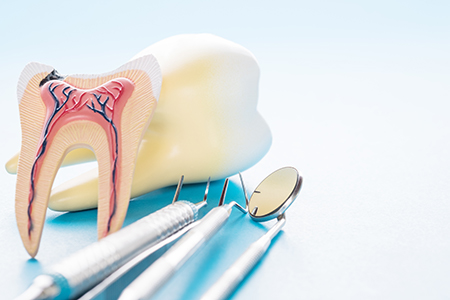
After a root canal, most patients notice immediate relief from the intense pain that prompted the visit. Mild soreness and tenderness around the treated tooth and adjacent tissues are common for a few days as the body heals. Over-the-counter pain relief is usually adequate; if prescription medication is necessary, your clinician will provide specific instructions.
Protecting the treated tooth while it is being restored is important. A temporary filling or crown may be placed initially; a definitive crown or restoration should follow as recommended to restore strength and full function. A tooth with a sound restoration can last many years with routine care.
Maintaining excellent oral hygiene, attending regular exams and cleanings, and following any special instructions from your dental team will support healing and the longevity of the treatment. If you experience increasing pain, swelling, or other concerning symptoms after your procedure, contact the office for evaluation.
With appropriate diagnosis, skilled endodontic care, and timely restoration, root canal therapy offers a reliable pathway to relieving pain and preserving your natural tooth. If you have questions about symptoms, the procedure, or what to expect, please contact our office for more information and to arrange a consultation.

Root canal therapy is a dental procedure that removes diseased or infected pulp from inside a tooth and seals the internal canal system to prevent reinfection. The goal of treatment is to stop pain, eliminate infection, and preserve the natural tooth structure whenever possible. By addressing infection inside the tooth, root canal therapy helps maintain chewing function and the alignment of surrounding teeth.
You may need a root canal when deep decay, a crack, or trauma allows bacteria to reach the pulp and cause irreversible inflammation or infection. Symptoms can include persistent pain, prolonged sensitivity to temperature, or swelling, but some teeth show minimal symptoms and are diagnosed by X-rays. Your dentist will evaluate the tooth and discuss whether root canal therapy is the treatment that best preserves long-term oral health.
Diagnosis begins with a thorough clinical exam, which includes reviewing your symptoms, checking for swelling or tenderness, and testing the tooth's response to temperature and pressure. Radiographs are taken to evaluate the extent of decay, bone changes around the root tip, and the internal anatomy of the tooth. These combined findings allow the clinician to distinguish between reversible sensitivity and pulp disease that requires endodontic treatment.
If tests and images suggest irreversible pulp damage or an abscess, the dentist will explain the recommended next steps and expected outcomes. If you have concerning symptoms, the team at Plaza Dental Parker can perform a prompt evaluation to determine if root canal therapy or another approach is appropriate. Treatment decisions are individualized and based on the tooth's structural condition and overall oral health.
Modern root canal procedures are performed under local anesthesia so patients remain comfortable and pain-free during treatment. The dentist isolates the tooth, creates a small access opening, and uses specialized instruments and irrigating solutions to remove diseased tissue, shape the canals, and disinfect the internal space. After the canals are cleaned and dried, they are filled with a biocompatible material and the access is sealed to protect the tooth from reinfection.
Some cases are completed in a single visit, while others require two or more appointments depending on factors such as canal complexity or active infection. When necessary, a temporary restoration is placed until a definitive restoration can be completed. Your clinician will review the anticipated timeline and any follow-up steps before beginning treatment.
Most patients report that root canal treatment itself is no more uncomfortable than receiving a routine filling because modern anesthetics and techniques provide effective pain control. Many people experience significant relief from the severe tooth pain that led them to seek care. Dentists also offer additional sedation options for patients who have dental anxiety to ensure a calmer experience.
Some mild soreness or tenderness in the treated area is common for a few days as tissues heal, and over-the-counter pain relievers are usually sufficient to manage discomfort. If pain increases, swelling develops, or other concerning symptoms appear after treatment, contact the office promptly for evaluation. Early communication with your dental team helps address complications quickly and supports a smooth recovery.
The duration of a root canal depends on the tooth's anatomy and the presence of infection, but many routine cases are completed in one to two visits lasting about 60 to 90 minutes per appointment. Molars or teeth with complex canal systems may require additional time or specialized techniques, which can extend the chair time. Your dentist will explain the expected schedule and the reasons for multiple visits if they are necessary.
After the root canal phase, a follow-up restoration such as a crown is often recommended to restore strength and function, which requires additional appointments for preparation and placement. Timely restoration is an important part of the overall treatment plan to protect the tooth from fracture and reinfection. Your clinician will coordinate the restorative steps and provide an individualized timeline for completion.
The primary alternative to root canal therapy is extraction of the affected tooth, which eliminates the source of infection but creates the need to consider tooth replacement options such as implants, bridges, or removable restorations. Extraction can lead to changes in chewing efficiency, shifting of adjacent teeth, and potential bone loss in the area over time. For some teeth with minimal remaining structure or poor prognosis, extraction may be the most appropriate clinical choice.
In very early cases of pulp exposure or when the pulp is only mildly inflamed, less invasive procedures such as pulp capping or a pulpotomy may be considered to preserve vitality. Your dental provider will review the pros and cons of each option, taking into account the tooth's structural condition, your overall oral health, and long-term goals. Shared decision-making ensures the chosen plan aligns with your needs and expectations.
Root canal therapy has a high success rate when performed with careful technique and followed by an appropriate restoration, and many treated teeth function for decades. Long-term prognosis depends on factors such as the extent of original infection, the complexity of the canal anatomy, the quality of the restoration, and ongoing oral hygiene. Regular dental exams and prompt attention to changes in comfort or function help protect the longevity of a treated tooth.
In cases where symptoms persist or reappear, retreatment or endodontic surgery can often address remaining issues and preserve the tooth. Your dentist will discuss realistic expectations for success and any signs that warrant further evaluation. Maintaining routine care and following restorative recommendations are key to maximizing the lifespan of a root canal–treated tooth.
Many teeth, especially molars and premolars, benefit from a crown after root canal therapy because the procedure can leave the tooth more prone to fracture. A crown restores the tooth's shape, strength, and chewing function while providing a protective barrier against contamination. The need for a crown is evaluated based on how much natural tooth remains and the tooth's role in your bite.
Some front teeth with minimal structural loss may be restored with a bonded filling or an onlay instead of a full crown, depending on the clinical situation. Your dentist will recommend the restoration that best balances durability and esthetics and will explain the timing for placing a permanent restoration. Proper restorative care helps ensure the success of the endodontic treatment.
Practices commonly offer several sedation options to help patients remain relaxed during root canal therapy, including nitrous oxide, oral sedatives, or, in select cases, deeper sedation administered by qualified providers. Nitrous oxide typically produces mild relaxation and wears off quickly after the mask is removed, allowing many patients to resume normal activities shortly after treatment. Oral sedatives or IV sedation cause more profound drowsiness and may require someone to accompany you home and supervise you after the appointment.
If you receive moderate or deep sedation, your clinician will provide specific post-procedure instructions and advise against driving, operating machinery, or making important decisions for a defined period. Always follow the practice's recommendations about transportation and post-sedation care to ensure your safety. Discuss your comfort level and any medical conditions with the dental team before scheduling sedation so the safest option can be selected.
After a root canal, maintain good oral hygiene by gently brushing and flossing the treated area as instructed, and avoid chewing on hard or sticky foods until the tooth has a permanent restoration. Mild soreness is common and usually managed with over-the-counter pain relievers, but increasing pain, swelling, or drainage should prompt a prompt return visit. Keeping follow-up appointments ensures the temporary restoration is replaced with a definitive restoration in a timely manner.
If you have questions or experience unusual symptoms during the recovery period, contact Plaza Dental Parker for guidance and evaluation. Your dental team can provide specific home-care instructions, schedule restorative work, and monitor healing to protect the long-term health of the tooth. Clear communication and routine dental care are important parts of a successful outcome.