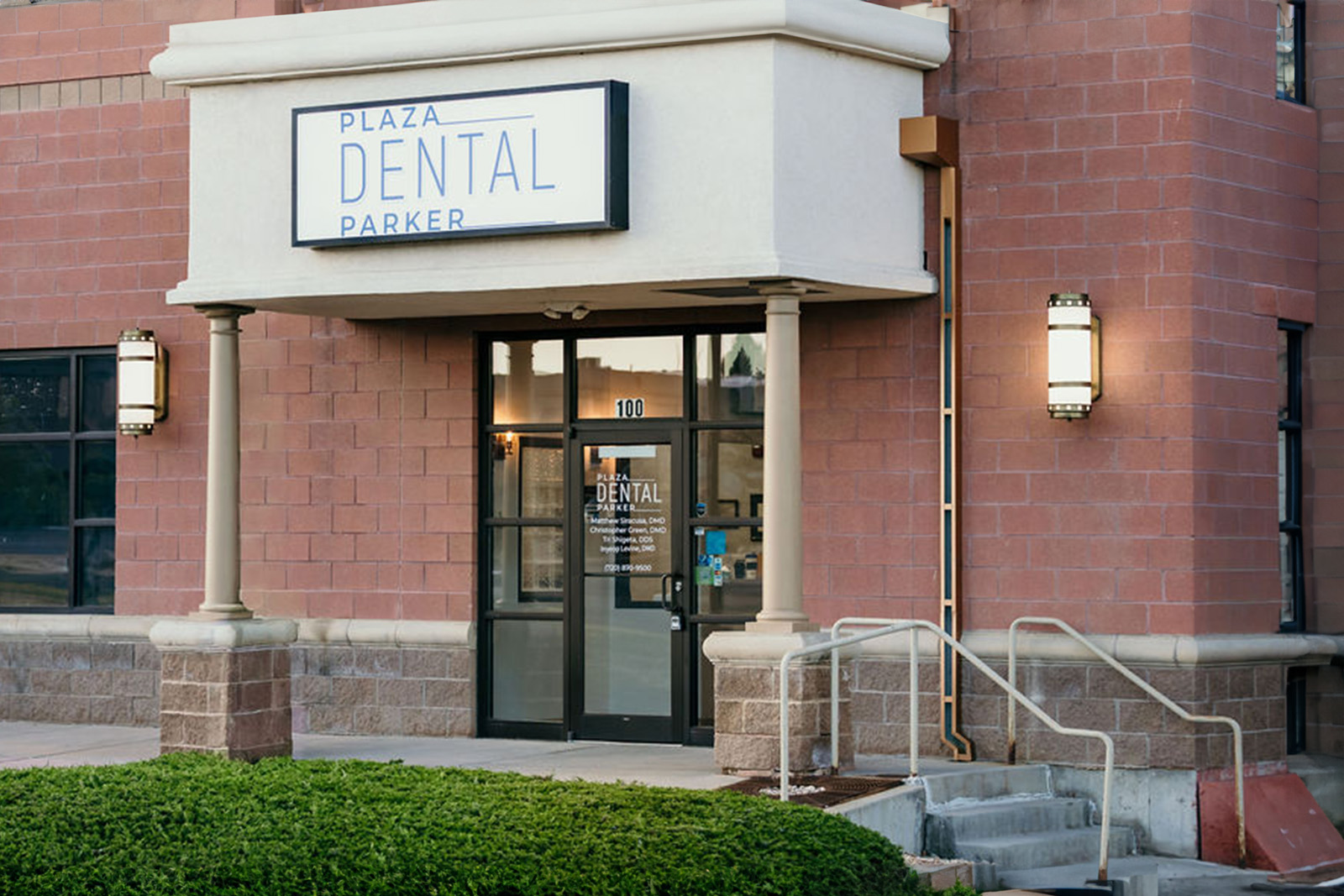
Dental Emergencies Welcome | Welcoming New Patients

Our Office
10470 S. Progress Way
Suite 100
Parker, CO 80134
Existing Patients: 720-870-9500
New Patients: (720) 640-4406
Visit Us Online


Dental anxiety affects millions of Americans, and it’s a common barrier to getting routine care or completing more complex treatment. If fear or nervousness keeps you from the dentist, Plaza Dental Parker offers experienced, patient-centered sedation options designed to reduce stress and make dental visits manageable. Our focus is on safety, clear communication, and helping patients feel calm from the first conversation through recovery.
Avoiding dental care because of anxiety can lead to worsening oral health and more extensive procedures later. Sedation dentistry gives people a practical way to receive the care they need without the emotional strain. When used thoughtfully, sedation reduces fear, shortens perceived treatment time, and helps patients cooperate comfortably during necessary procedures.
Below you’ll find an in-depth look at how sedation works, why patients choose it, what types of sedation are commonly used in a dental office, and what to expect before, during, and after a sedated appointment. Our goal is to provide clear, respectful guidance so you can decide whether sedation could make dental care easier for you.
Sedation dentistry is not a single treatment but a set of techniques that help patients relax throughout their appointment. In most cases, sedation is used alongside local anesthesia to control sensation at the treatment site while the sedative addresses anxiety and stress. Together these measures allow your clinician to work efficiently and comfortably while you remain relaxed.
Levels of sedation vary from mild reduction in anxiety to deeper states where you have little memory of the procedure. The right level is chosen based on your comfort needs, medical history, and the complexity of the recommended dental work. Your dental team explains options and tailors the plan so it matches your health profile and emotional needs.
Importantly, sedation is delivered in a controlled setting with trained providers and continuous monitoring. Vital signs and responsiveness are tracked throughout the visit to ensure your safety. With careful screening and preparation, sedation is a reliable tool to minimize fear and help patients complete necessary dental care with less distress.
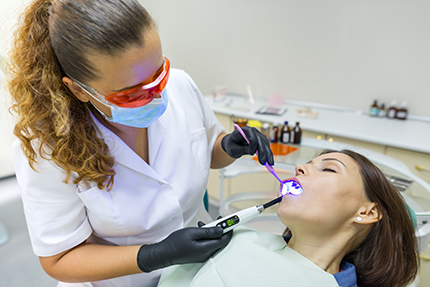
Individuals choose sedation for many reasons. For some, fear of injections, drills, or the dental environment itself is so intense that sedation is the only way they can tolerate care. For others, the need for multiple procedures or lengthy visits makes sedation a practical solution to manage comfort and reduce the number of appointments required.
Sedation can also help patients with a strong gag reflex, hypersensitive teeth, or difficulty remaining still for treatment. In pediatric cases or when treating patients with certain medical or cognitive conditions, sedation may permit safe, effective delivery of routine and restorative dentistry.
Beyond immediate comfort, sedation can change a patient’s relationship with dental care. When anxiety is addressed effectively, many people become more consistent with preventive visits and more willing to pursue recommended treatments, improving long-term oral health.
Choosing the appropriate sedation method begins with a careful review of your medical history, current medications, and the level of dental work planned. We discuss your prior experiences with dental care, your anxiety triggers, and any medical conditions that could affect sedation choices. This individualized assessment helps ensure the safest and most comfortable experience.
Some patients need only a mild sedative to feel at ease, while others benefit from deeper levels of conscious sedation that reduce memory of the procedure. Certain situations — such as extensive oral surgery — may call for more advanced monitoring. Your care team explains the pros and cons of each option so you can make an informed decision.
Communication is central to the process: patients are encouraged to ask questions, share concerns, and follow pre-visit instructions so sedation can be administered safely. With transparent planning, sedation becomes a predictable part of treatment rather than an added source of worry.
Sedation exists on a spectrum. At lighter levels, patients remain fully conscious and responsive to verbal cues but feel much less anxious. At deeper levels, awareness diminishes and memories of the procedure are often minimal. General anesthesia — a complete, controlled unconscious state — is typically reserved for hospital settings and for cases where in-office sedation is not appropriate.
Dentists and anesthesiologists choose the level of sedation that balances patient comfort with safety and the technical needs of the procedure. In-office conscious sedation is commonly sufficient for most dental treatments, offering both relaxation and the ability to cooperate with instructions when necessary.
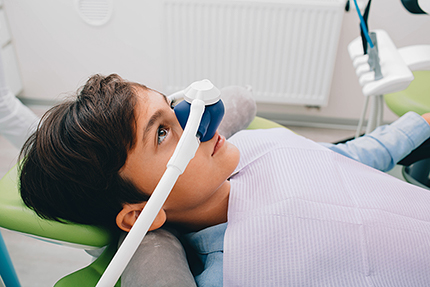
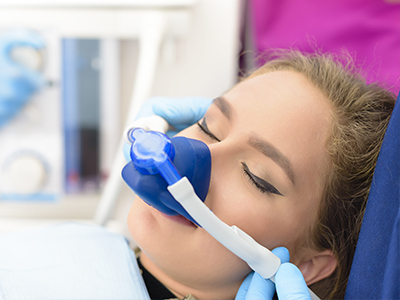
Nitrous oxide — often called "laughing gas" — is a mild sedative inhaled through a small mask placed over the nose. It provides rapid, controllable relief from anxiety and is especially useful for patients with moderate nervousness or those who need relief from a sensitive gag reflex. The effects wear off quickly once the gas is stopped, allowing a fast recovery.
Oral sedation involves taking a prescribed pill before your visit to create a deeper sense of relaxation. The medication is timed so its calming effect peaks during the procedure. Oral sedation is helpful for patients with significant anxiety who still benefit from remaining somewhat aware and cooperative during treatment. Because the medication can impair reflexes and judgment, an escort is required to drive the patient to and from the appointment.
Intravenous (IV) sedation delivers medication directly into the bloodstream and allows clinicians to adjust the level of sedation quickly. IV sedation can produce a profound sense of calm and is useful for more complex or longer procedures. Patients receiving IV sedation typically must follow fasting instructions beforehand and should arrange for transportation home, as the effects take longer to wear off.
Preparation helps ensure a smooth, safe sedation experience. Before your appointment, you’ll complete a health history and review any medications you take. Some medicines or supplements can interact with sedatives, so your clinician may recommend adjustments in consultation with your prescribing provider.
For certain types of sedation, such as IV, fasting is usually required for safety. You’ll also receive instructions about bringing a responsible adult to drive you home and to stay with you briefly after the appointment if needed. Clear directions and a realistic plan for recovery reduce post-procedure stress and help you regain normal activity more quickly.
If you have specific concerns — for example, sleep apnea, heart disease, or past reactions to sedatives — share them early in the planning process. These details guide the choice of medication, monitoring, and post-treatment recommendations so your visit goes as smoothly as possible.
Safety is the highest priority during any sedated visit. Trained clinicians monitor heart rate, oxygen levels, and other vital signs throughout the procedure. Equipment and protocols are in place to respond promptly to any changes, and staff are trained in airway management and emergency procedures.
After sedation, recovery times vary by method and individual response. Nitrous oxide wears off quickly, while oral or IV sedatives may require several hours before full alertness returns. Your team will explain specific recovery signs to watch for and when it’s safe to resume routine activities. Having a friend or family member available helps ensure a comfortable transition home.
Follow-up care may include brief check-ins after more extensive treatment and guidance on managing soreness or minor side effects. With appropriate monitoring and post-care instructions, most patients recover uneventfully and report that sedation made the experience far more manageable.
Sedation dentistry can transform a stressful dental visit into a calm, tolerable experience without sacrificing safety or quality of care. If anxiety has kept you from getting the dental attention you need, Plaza Dental Parker can discuss options and create a plan tailored to your health and comfort. Contact us to learn more and to speak with a member of our team about whether sedation dentistry might be right for you.
Sedation dentistry refers to a set of techniques used to help patients relax during dental procedures while local anesthesia controls sensation at the treatment site. Levels of sedation range from mild anxiety reduction to deeper conscious sedation where memory of the procedure may be limited. The goal is to reduce fear, improve tolerance for longer or more complex visits, and allow clinicians to work more efficiently while keeping the patient comfortable.
Proper sedation is chosen to match a patient’s medical profile and the technical needs of the treatment rather than used as a one-size-fits-all solution. Sedation is provided in a controlled clinical setting with trained staff monitoring vital signs and responsiveness. When planned and monitored appropriately, sedation can make dental care accessible for patients who otherwise avoid treatment due to anxiety or sensitivity.
Good candidates include patients who experience significant dental anxiety, those with a strong gag reflex, people who have difficulty sitting still, and patients facing multiple or lengthy procedures. Sedation is also commonly used for pediatric patients or adults with cognitive or medical conditions that make cooperation difficult. Each potential candidate undergoes a medical and dental evaluation to determine suitability and to identify any conditions that require special precautions.
Certain medical issues, pregnancy, and some uncontrolled chronic conditions may limit sedation options or require coordination with a physician. Your dental team will review your health history, current medications, and prior experiences with sedation to select the safest approach. Open communication about your fears and health background is essential to make an informed plan that minimizes risk.
The most common in-office options include inhaled nitrous oxide, oral sedatives, and intravenous (IV) sedation, each offering different depths of relaxation. Nitrous oxide provides rapid, easily reversible calming effects and wears off quickly once the gas is stopped. Oral sedatives are taken before the visit and create a deeper, longer-lasting calming effect while IV sedation allows precise, quickly adjustable control of the sedative level during more complex procedures.
Local anesthesia is typically used together with sedation to ensure the treatment site is numb and pain-free. General anesthesia, which produces complete unconsciousness, is generally reserved for hospital settings or cases that cannot be managed safely in the dental office. Your clinician will explain the pros and cons of each method and recommend the option best suited to your health and the planned procedure.
Determining the appropriate level of sedation begins with a thorough review of your medical history, medications, and the type and duration of dental work planned. The dentist will discuss your previous experiences with dental care and sedation, assess your anxiety level, and consider any conditions such as sleep apnea or heart disease that affect safety. This individualized assessment ensures the sedation level balances comfort, cooperation, and clinical needs.
Informed consent and clear communication are central to the decision-making process, so patients are encouraged to ask questions and share concerns before the visit. Pre-visit instructions, fasting requirements, and escort arrangements are explained as needed for safety. Having a predictable plan helps reduce uncertainty and makes the sedation experience more comfortable for everyone involved.
Preparation varies by the sedation method but commonly includes completing a detailed health history, disclosing medications and supplements, and following fasting instructions when required for IV or deeper oral sedation. Patients should arrange for a responsible adult to drive them to and from the appointment and to stay with them briefly after the visit if recommended. It is also helpful to wear comfortable clothing and avoid heavy meals, alcohol, and sedating medications on the day of treatment unless otherwise directed by your care team.
Your dental provider will give specific pre-visit and post-visit instructions tailored to your chosen sedation type and overall health. If you take medications for chronic conditions, your clinician may coordinate with your prescribing provider to ensure safety. Clear adherence to these instructions reduces risk and supports a smoother recovery.
Safety during sedation includes continuous monitoring of vital signs such as heart rate, blood pressure, oxygen saturation, and respiratory status. Offices follow established protocols and maintain emergency equipment and trained staff to manage airway and medical situations should they arise. Monitoring levels and equipment are chosen based on the depth of sedation and the patient’s health needs.
Staff training, preoperative screening, and written emergency procedures are standard components of safe sedation practice. At Plaza Dental Parker, clinicians and team members adhere to these safety protocols and keep detailed records of medications and monitoring for each sedated visit. Patients are informed about what will be observed and how the team responds to changes in status during treatment.
Recovery depends on the sedation type: nitrous oxide wears off quickly and patients often resume normal activity soon after, while oral and IV sedatives may cause drowsiness and impaired judgment for several hours. It is normal to feel groggy, disoriented, or mildly nauseated after deeper sedation; these effects typically pass with rest and time. Your team will provide specific guidance on signs to watch for and when to seek medical attention if recovery does not follow the expected pattern.
Because reflexes and coordination can be impaired, patients should not drive, operate machinery, or make important decisions until fully alert and cleared by the clinician. Having an escort and planning for a quiet period of rest after the appointment supports a safe recovery. Follow-up calls or brief check-ins may be arranged for more extensive procedures to confirm that healing is progressing as expected.
Sedation can be a valuable tool for pediatric patients and individuals with special health care needs when behavior or medical conditions make routine treatment difficult. Dosages, monitoring, and choice of sedative are adjusted for age, weight, and medical status, and caregivers provide consent and important health information prior to treatment. Behavior guidance techniques are used in combination with minimal sedation whenever possible to reduce overall medication exposure.
For some children or patients with complex needs, deeper sedation or hospital-based anesthesia may be recommended when in-office management is not appropriate. The dental team works closely with parents, guardians, and other healthcare providers to develop a safe, individualized plan. Clear pre-visit instructions and careful monitoring help ensure these visits proceed smoothly and safely.
Your overall health and current medications play a major role in selecting safe sedation options because some conditions and drugs interact with sedatives. Conditions such as uncontrolled diabetes, heart or lung disease, sleep apnea, and certain neurological disorders require special consideration and may limit or modify sedation choices. Blood thinners, some psychiatric medications, and herbal supplements can interact with sedative drugs, so full disclosure of all substances you take is essential.
Coordination with your physician or specialist may be needed to adjust medications before sedation or to obtain clearance for certain treatments. The dental team will explain any required modifications and the rationale behind them to reduce risk. Honest communication and preoperative screening help protect your safety and allow the clinician to choose the most appropriate sedative strategy.
Begin by scheduling a consultation to discuss your dental needs, anxiety level, and medical history so the team can evaluate options and recommend an appropriate approach. During the visit you will review previous experiences with dental care, medications, and any health conditions that could affect sedation, and the clinician will explain the likely benefits and limitations for your specific situation. Asking questions about monitoring, recovery expectations, and the logistics of having an escort can help you make an informed decision.
If you are a patient at Plaza Dental Parker or are considering care in Parker, CO, the practice offers personalized assessments to determine if sedation fits your treatment plan and comfort needs. The consultation is an opportunity to address concerns, understand pre-visit instructions, and plan a safe, supportive experience so you can get the dental care you need with greater ease.