Dental Emergencies Welcome | Welcoming New Patients

Our Office
10470 S. Progress Way
Suite 100
Parker, CO 80134
Existing Patients: 720-870-9500
New Patients: (720) 640-4406
Visit Us Online


A full night’s sleep is a cornerstone of good health — it supports memory, mood, cardiovascular function, and daily performance. When breathing repeatedly stops or becomes shallow during sleep, the body is deprived of oxygen and restful stages of sleep, which can compound other health problems over time. At the office of Plaza Dental Parker, we evaluate how dental-based therapies can play an important role in the diagnosis and management of sleep-related breathing disorders so patients can sleep more safely and wake feeling restored.
Obstructive sleep apnea (OSA) happens when the muscles and soft tissues of the throat relax too much during sleep, narrowing or closing the airway. This collapse prevents adequate airflow despite ongoing efforts to breathe, producing brief but repeated interruptions in breathing known as apneas or partial obstructions called hypopneas. These events disrupt normal sleep architecture and reduce oxygen levels, prompting the brain to briefly rouse the sleeper and restore airflow.
Not all pauses in breathing are identical, and severity ranges from mild, occasional interruptions to frequent, prolonged events that fragment sleep throughout the night. Anatomy — such as the size and position of the jaw, tongue, tonsils, and soft palate — plays a major role, as do body weight, nasal congestion, and certain sleep postures. Understanding the physical contributors helps guide whether dental therapies, positional strategies, or medical devices are most appropriate.
Because OSA is a physiologic issue, effective treatment is individualized. A careful assessment evaluates the balance between airway anatomy, sleep habits, and medical history to determine the most suitable approach. Dental providers experienced in sleep medicine can offer targeted, noninvasive options that address airway patency while preserving oral health and comfort.
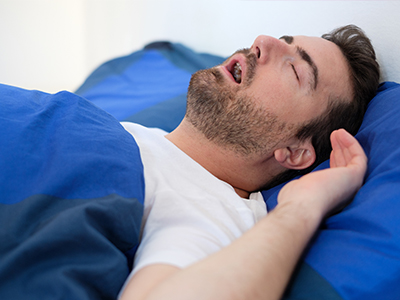
Some indicators of sleep-disordered breathing are most noticeable at night: loud, habitual snoring, witnessed pauses in breathing, choking or gasping episodes, and restless sleep. Bed partners often provide the clearest early clues, because people with OSA may not be aware of their own nighttime breathing interruptions. Snoring alone does not equal sleep apnea, but persistent loud snoring accompanied by other signs warrants further evaluation.
Daytime consequences can be just as telling. Excessive sleepiness, difficulty concentrating, memory lapses, morning headaches, and unexplained irritability are common and can affect work performance, mood, and safety. Over time, untreated OSA is linked to higher risks of hypertension, cardiovascular disease, metabolic issues such as diabetes, and reduced overall quality of life, which is why timely recognition and care are important.
Because symptoms vary, clinicians look at the whole picture: sleep history, daytime function, and any coexisting medical conditions. Screening tools and clinical interviews help determine whether a formal sleep study or dental sleep evaluation is the next best step. Early attention to signs and symptoms makes it possible to reduce the long-term health impact of sleep-disordered breathing.
Diagnosing sleep apnea begins with a careful medical and dental history and often a physical exam that focuses on airway anatomy. Many patients are referred for a formal sleep study — either in a sleep lab or via validated home sleep testing — which measures breathing patterns, oxygen levels, and sleep disruptions. These objective data define the presence and severity of OSA and guide treatment planning.
Collaboration between physicians and dental sleep specialists is common. Results from a sleep test are reviewed alongside oral and craniofacial findings to create a coordinated care plan. For some patients, additional imaging or assessments of nasal passages, jaw position, or dental fit may be helpful in determining whether an oral appliance or another therapy will be effective.
Receiving a diagnosis can feel overwhelming, but it also opens a path to meaningful treatment. Patients leave the diagnostic phase with a clearer understanding of their condition, realistic expectations for improvement, and options that range from conservative measures to device-based therapies tailored to their needs.
Continuous positive airway pressure (CPAP) remains a widely recommended and effective treatment for moderate to severe OSA. By delivering pressurized air through a mask, CPAP splints the airway open during sleep and can substantially reduce apneas and daytime sleepiness. While it is highly effective for many patients, tolerance and adherence vary, and some people seek alternative options for comfort or convenience.
Simple lifestyle changes can also support sleep health and may reduce OSA severity in some cases. Weight management, avoiding alcohol or sedatives before bedtime, quitting smoking, and optimizing sleep position can all influence airway collapsibility. These measures are helpful complements to device-based therapies and are part of a comprehensive plan rather than standalone cures for all patients.
For those who cannot tolerate CPAP or whose OSA is mild to moderate, other interventions may be considered, including positional therapy, nasal treatments, or oral appliance therapy provided by a trained dental professional. The best outcomes usually come from a personalized strategy that balances effectiveness, patient preference, and long-term adherence.
Oral appliances are custom-made devices that reposition the lower jaw or the tongue to help keep the airway open during sleep. Worn like a mouthguard or retainer, these appliances are noninvasive, portable, and often more acceptable to patients who struggle with CPAP masks. Studies show that properly fitted oral appliances can significantly reduce snoring and improve sleep-disordered breathing for patients with mild to moderate OSA.
There are several appliance designs, and the right choice depends on a patient’s dental condition, jaw mobility, and the pattern of airway obstruction. A dental sleep specialist will take precise impressions and measurements to fabricate a device that balances efficacy with comfort. Adjustability is important: many appliances allow incremental tuning so clinicians can optimize airway support while minimizing jaw discomfort or bite changes.
Follow-up care is a core component of success. After dispensation, patients typically return for adjustments and monitoring to ensure the appliance reduces breathing events without causing unwanted dental or jaw issues. In many cases, long-term use delivers improved sleep quality, daytime alertness, and reduced snoring, making oral appliances a practical option for appropriate candidates.
Effective management of sleep apnea is an ongoing process rather than a one-time fix. Dental sleep medicine emphasizes regular follow-up visits to assess device performance, symptom improvement, and oral health. Periodic evaluations may include bite assessments, appliance wear checks, and, when indicated, coordination with a sleep physician to review objective testing and symptom tracking.
The practice environment should support a collaborative approach: dentists, physicians, and patients working together to refine therapy and maintain both airway health and dental integrity. For patients treated with oral appliances, routine recall visits help detect and address potential side effects such as tooth movement or jaw discomfort early, ensuring long-term comfort and effectiveness.
At Plaza Dental Parker, our goal is to provide thoughtful, evidence-informed options that suit each patient’s lifestyle and clinical needs. We focus on clear communication, careful appliance fabrication, and consistent monitoring so that sleep improvements are sustained without compromising oral health.
To summarize, sleep apnea is a common condition with meaningful health consequences if left untreated. A combination of careful diagnosis, individualized treatment selection, and ongoing follow-up can restore healthier sleep and improve daytime functioning. Contact us for more information about diagnosing and managing sleep apnea and to learn whether dental sleep medicine may be an appropriate option for you.
Obstructive sleep apnea (OSA) is a sleep-related breathing disorder in which the throat muscles and soft tissues relax enough to narrow or close the airway repeatedly during sleep. These interruptions cause brief awakenings and reduce the time spent in restorative sleep stages, leading to fragmented rest. Over time, repeated oxygen drops and disrupted sleep can contribute to daytime sleepiness and reduced cognitive function.
Untreated OSA is associated with higher risks for high blood pressure, heart disease, stroke, and metabolic problems such as insulin resistance. It can also worsen mood, memory, and overall quality of life while increasing the risk of accidents from drowsy driving. Early recognition and treatment help reduce these risks and restore healthier sleep patterns.
Nighttime indicators that often prompt evaluation include loud, habitual snoring, observed pauses in breathing, choking or gasping episodes, and restless or fragmented sleep. Bed partners are frequently the first to notice these signs, since many people with OSA are unaware of their own breathing interruptions. Snoring alone does not confirm apnea, but persistent loud snoring with witnessed pauses warrants further assessment.
Daytime symptoms may include excessive sleepiness, difficulty concentrating, morning headaches, irritability, and decreased work performance. These symptoms can progress gradually and may be attributed to other causes unless a targeted sleep history is obtained. A clinical screening that combines nighttime observations with daytime function helps clinicians decide whether formal testing is needed.
Diagnosis typically begins with a detailed medical and dental history and an exam focused on airway anatomy, including jaw position, tongue size, and nasal patency. Many patients undergo objective testing using either an in-lab polysomnogram or a validated home sleep test, which measure breathing patterns, oxygen levels, and sleep disruptions. These data establish the presence and severity of OSA and guide treatment planning.
Evaluation is often collaborative: primary care physicians, sleep medicine specialists, and dental clinicians experienced in sleep disorder management review findings together. Results from sleep testing are considered alongside oral and craniofacial assessments to determine whether CPAP, oral appliance therapy, positional measures, or other interventions are most appropriate. This coordinated approach helps tailor care to each patient’s needs.
Treatment choices are individualized and may include continuous positive airway pressure (CPAP), lifestyle changes, positional therapy, nasal treatments, oral appliance therapy, or surgical procedures when indicated. CPAP is the gold-standard therapy for moderate to severe OSA because it reliably splints the airway open during sleep. For patients with mild to moderate OSA or those who cannot tolerate CPAP, alternative therapies may be effective.
Oral appliances fabricated by dental sleep specialists reposition the lower jaw or tongue to maintain airway patency and can reduce snoring and breathing events for many patients. Lifestyle measures such as weight management, avoiding alcohol or sedatives before bed, and improving nasal breathing complement device-based therapies. The best outcomes result from a plan that balances effectiveness with patient tolerance and long-term adherence.
Oral appliances are custom-made devices that reposition the lower jaw or tongue forward to increase the space behind the airway and reduce collapse during sleep. Worn like a retainer or mouthguard, these devices are noninvasive, portable, and often better tolerated than a mask-based system. They are most effective for patients with mild to moderate OSA or those who have difficulty using CPAP.
Ideal candidates typically have sufficient dentition to support a device, good jaw mobility, and no severe temporomandibular joint disorders that would be aggravated by advancement. A dental sleep evaluation that includes intraoral examination and impressions is required to determine fit and predict effectiveness. Shared decision-making with a sleep physician helps ensure the chosen therapy matches the clinical severity and patient preferences.
An oral appliance fitting begins with a comprehensive dental exam, precise impressions or digital scans, and assessment of jaw range of motion and bite relationships. The appliance is custom-fabricated to the patient’s anatomy and may include adjustable features to fine-tune jaw advancement. Initial delivery includes instructions for use, gradual titration if needed, and guidance on cleaning and storage.
Follow-up appointments are essential to evaluate symptom improvement and to make adjustments that optimize comfort and efficacy. Periodic dental reviews monitor for bite changes, tooth movement, or jaw discomfort and help prevent long-term complications. Collaboration with the referring sleep physician and, when appropriate, repeat sleep testing ensure the device is meeting therapeutic goals.
CPAP is generally the most effective single therapy for reducing apneas because it maintains constant positive pressure to keep the airway open, especially in moderate to severe cases. Oral appliances have demonstrated meaningful reductions in breathing events and symptoms for many patients with mild to moderate OSA and are a widely accepted alternative when CPAP is not tolerated. The relative benefit of an oral appliance depends on the individual pattern of airway collapse and device fit.
Long-term results hinge not only on device efficacy but on patient adherence, comfort, and regular monitoring. For some patients, consistent use of an oral appliance yields comparable improvements in daytime sleepiness and quality of life to CPAP because they are easier to tolerate. Objective follow-up with sleep testing or validated symptom scales helps determine whether the chosen therapy is delivering adequate control.
Common, typically manageable side effects include mild jaw discomfort, transient muscle soreness, excessive salivation, or dry mouth during the initial adaptation period. Some patients may experience gradual changes in bite or tooth position over long-term use, which is why routine dental monitoring is important. Severe or persistent jaw pain or worsening bite should prompt timely evaluation and possible device modification.
Careful device design, gradual titration, and regular follow-up visits minimize risks and allow clinicians to address side effects early. If significant dental or temporomandibular changes occur, alternate therapies or adjustments can be considered to preserve oral health. Open communication between the patient, dentist, and sleep physician supports safe, effective long-term management.
Several lifestyle measures can reduce airway collapsibility and improve sleep quality, including weight management for overweight individuals, avoiding alcohol and sedative medications before bedtime, and quitting smoking. Sleeping on your side instead of your back can lessen positional airway collapse for many people, and using nasal sprays or addressing chronic nasal congestion may improve airflow. These behaviors are valuable complements to device-based treatments rather than standalone cures for most patients with OSA.
Incorporating consistent sleep schedules, limiting late-night heavy meals, and engaging in regular physical activity also support overall sleep health. Patients should discuss these strategies with their care team to ensure changes align with their medical history and treatment plan. Combining behavioral measures with appliance or medical therapies often delivers better symptom control than any single intervention alone.
To begin an evaluation, request a consultation with a dental clinician experienced in sleep medicine to review your symptoms, sleep history, and airway anatomy. At the office of Plaza Dental Parker we perform a focused oral and craniofacial exam, discuss any prior sleep testing, and coordinate referrals for formal sleep studies when indicated. This initial step helps determine whether oral appliance therapy or another treatment path is appropriate.
From that point, we work with your physician or a sleep specialist to develop a coordinated plan that prioritizes safety, comfort, and measurable improvement. Follow-up appointments, device titration, and periodic monitoring are scheduled as part of long-term management to ensure that therapy remains effective and maintains oral health. If you have persistent daytime sleepiness, witnessed apneas, or loud habitual snoring, seeking an evaluation is an important next step toward better sleep.