Dental Emergencies Welcome | Welcoming New Patients

Our Office
10470 S. Progress Way
Suite 100
Parker, CO 80134
Existing Patients: 720-870-9500
New Patients: (720) 640-4406
Visit Us Online


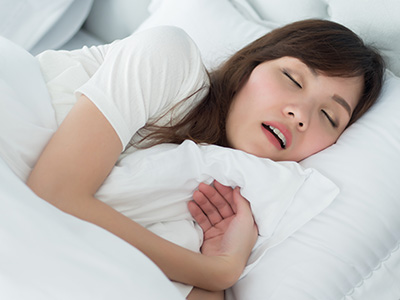
Snoring is the audible result of soft tissues in the upper airway vibrating as air moves past them during sleep. For many people, it’s an occasional nuisance; for others, it becomes a nightly disruption that affects sleep quality for both the person who snores and anyone who shares their bedroom. Distinguishing simple snoring from sleep-disordered breathing is an important first step in getting the right care.
Estimates suggest that tens of millions of Americans snore at least some of the time, and prevalence increases with age, weight, and certain health conditions. While not every person who snores has obstructive sleep apnea (OSA), loud or chronic snoring can be an indicator that a more serious breathing problem exists. That’s why evaluation and clear communication between patients and their dental or medical providers matter.
Several common factors can narrow the airway or change airflow dynamics during sleep. Understanding these contributors helps patients and clinicians choose the most appropriate interventions—ranging from behavioral changes and positional therapy to oral appliances or medical evaluation for sleep apnea. Below are common influences that can worsen or trigger snoring:
Oral appliances designed for snoring aim to create a more stable pathway for airflow while you sleep. Unlike bulky over-the-counter gadgets, custom-fitted devices work by gently repositioning the lower jaw slightly forward or by stabilizing the tongue. That forward positioning increases the space behind the tongue and soft palate, reducing the tissue vibrations that create the snoring noise.
These devices are worn only at night and are removable, making them a conservative and reversible option for many patients. Because they sit inside the mouth, their effectiveness depends on a precise fit. A properly designed appliance balances comfort with functional movement so that patients can sleep naturally while the airway remains more open.
In addition to lowering sound levels, oral appliances can improve airflow patterns and sleep continuity for primary snorers—people whose snoring is not caused by obstructive sleep apnea. However, candidacy should always be determined through clinical assessment to make sure a device is appropriate and safe for each individual.
Not everyone who snores is a candidate for an oral appliance, which is why an initial evaluation is essential. During the exam, a dental provider will review medical and sleep history, ask about daytime sleepiness, and perform an airway and dental assessment. If there are red flags for sleep apnea—such as pauses in breathing, very loud nightly snoring, excessive daytime fatigue, or certain medical risks—referral for a sleep study or medical consultation may be recommended before pursuing an oral device.
Ideal candidates typically include adults with habitual snoring without evidence of moderate-to-severe sleep apnea, those who cannot tolerate other treatments, or people seeking a noninvasive option. Dentition must be sufficient to support the appliance, and patients should be committed to follow-up care. A collaborative approach between patient, dentist, and, when appropriate, a sleep physician, helps determine the best path forward.
For patients with mild sleep-disordered breathing, a trial of a custom oral appliance—paired with ongoing monitoring—can be an effective way to reduce snoring and improve sleep continuity. Clear goals and realistic expectations discussed at the outset make the process more successful and predictable.
A custom oral appliance begins with careful impressions or digital scans of the teeth so the device matches the unique contours of a patient’s mouth. Modern labs can craft appliances from a range of materials that balance durability and comfort. The first fitting focuses on verifying fit, bite position, and overall comfort so the device can be worn through the night without causing undue soreness or interference with breathing.
Most patients require a short period of adjustment as the jaw adapts to the new, slightly forward position. Follow-up visits allow the clinician to make incremental adjustments—sometimes called titration—to optimize airway improvement while minimizing jaw or tooth discomfort. Clear instructions about how to insert, remove, and care for the appliance are provided at delivery so patients can use it confidently from night one.
It’s common to schedule a sleep-focused reassessment after the patient has used the device for a few weeks. This visit evaluates symptom changes, comfort, and any dental or temporomandibular joint (TMJ) effects. If symptoms persist or if new concerns arise, the clinician can modify the device or suggest alternative therapies.
Daily cleaning and periodic inspection are simple but crucial steps to prolong the life of an oral appliance and keep the mouth healthy. Patients are instructed to rinse their device after use, clean it with nonabrasive products recommended by the dental team, and store it dry in its case. Regular dental checkups help monitor tooth movement, bite changes, or wear that can occur with long-term use.
While complications are uncommon, some patients may notice temporary jaw stiffness, tooth sensitivity, or minor changes in how the teeth meet. These effects are typically manageable with adjustments and monitoring. If persistent discomfort or dental changes occur, the appliance can be modified, or alternative therapies can be considered in collaboration with the patient’s broader healthcare team.
Long-term success relies on a partnership between the patient and their dental provider, with periodic reviews to confirm the appliance remains effective and comfortable. When appropriate, objective sleep testing or communication with a sleep physician can help quantify improvements and guide ongoing care plans.
Selecting and managing a snoring appliance is most effective when care is personalized and coordinated. At Plaza Dental Parker, our goal is to provide thorough evaluations, precisely fitted devices, and attentive follow-up so patients experience meaningful reductions in snoring while maintaining oral health. We approach each case with evidence-based practices and clear communication about expected outcomes.
We also work closely with local sleep medicine specialists when evaluations indicate the need for further testing or if a patient’s symptoms suggest sleep apnea. That collaborative model ensures patients receive the right combination of dental and medical oversight to protect both sleep quality and overall health.
If snoring is interfering with your rest or affecting a partner’s sleep, an evaluation with a dental professional can clarify whether a custom oral appliance is a suitable option. Contact us to learn more about how a tailored device might fit into your sleep-health plan and to schedule an assessment. We’re here to help patients pursue quieter nights and better daytime energy through thoughtful, patient-centered care.
Snoring occurs when soft tissues in the upper airway vibrate as air moves past them during sleep, producing audible sound. Common contributors include nasal congestion, excess soft tissue in the throat, alcohol or sedative use, and sleeping on the back, which can allow the tongue to fall toward the airway. These factors narrow the airway or change airflow dynamics and increase tissue vibration.
Obstructive sleep apnea (OSA) differs in that it involves repeated partial or complete airway collapse that interrupts breathing and lowers blood oxygen levels, not just noise. Loud, chronic snoring accompanied by pauses in breathing, choking, or excessive daytime sleepiness raises concern for OSA and usually requires medical evaluation. Distinguishing simple snoring from sleep-disordered breathing is essential to determine safe and effective treatment options.
Snoring appliances are custom oral devices designed to stabilize the airway during sleep by repositioning the lower jaw or the tongue slightly forward. That forward adjustment increases space behind the tongue and soft palate, reducing the soft-tissue vibrations that create snoring sounds. Because they are worn only at night and sit inside the mouth, their effectiveness depends on a precise fit.
Custom devices differ from over-the-counter gadgets by offering a tailored fit that balances comfort with controlled movement, helping patients sleep naturally while the airway remains more open. A properly designed appliance also aims to preserve normal jaw movement and minimize dental or temporomandibular effects. Follow-up adjustments help optimize airway improvement while maintaining comfort and function.
Good candidates for a snoring appliance are adults with habitual snoring whose symptoms do not indicate moderate-to-severe obstructive sleep apnea and who have adequate dentition to support a device. Candidates frequently include people who prefer a noninvasive, reversible option or who cannot tolerate other therapies, such as continuous positive airway pressure (CPAP). A dental provider will review medical and sleep history and perform an airway and dental assessment to confirm suitability.
If red flags for sleep apnea are present—such as witnessed pauses in breathing, severe daytime sleepiness, or certain cardiovascular risks—a referral for sleep testing or medical consultation is often recommended before fitting an oral appliance. Collaborative care between the patient, dentist, and sleep physician helps ensure the chosen therapy is safe and appropriate. Commitment to follow-up care is also an important part of candidacy.
The evaluation begins with a detailed review of your medical and sleep history, questions about daytime sleepiness, and an examination of the airway and dental structures. The dental provider will assess jaw range of motion, dental stability, and any factors that might affect appliance use or comfort. If clinical indicators suggest possible sleep apnea, the provider may recommend a sleep study or referral to a sleep medicine specialist prior to proceeding.
When a snoring appliance is appropriate, the next steps typically include digital scans or impressions of the teeth and a discussion of realistic goals for symptom reduction. The clinician will explain the fitting process, expected period of adaptation, and necessary follow-up visits for titration and monitoring. Clear communication at this stage helps set expectations and supports a safe, effective treatment plan.
Custom fitting begins with accurate impressions or digital scans so the laboratory can craft an appliance that matches the unique contours of the patient’s mouth. At delivery, the clinician verifies fit, bite position, and overall comfort while making any initial adjustments needed to avoid sore spots or interference with breathing. Most patients experience a short adjustment period as the jaw adapts to the slightly forward position.
Follow-up visits allow the provider to perform incremental adjustments, or titration, to optimize airway opening while minimizing jaw or tooth discomfort. Clinicians may schedule a sleep-focused reassessment after several weeks to evaluate symptom changes and any dental or TMJ effects. If symptoms persist or concerns arise, further modification or an alternative treatment pathway can be discussed in collaboration with the patient’s broader healthcare team.
Snoring appliances are generally safe when prescribed and monitored by a qualified dental provider, but like any medical device they carry potential side effects. Common early effects include temporary jaw stiffness, mild tooth sensitivity, or minor changes in how the teeth meet; these issues are often manageable with adjustments and typically resolve as the mouth adapts. Regular checkups help detect and address any emerging dental changes or wear on the appliance.
More significant or persistent symptoms should prompt prompt follow-up so the device can be modified or discontinued if necessary, and so alternative therapies can be considered. Close coordination with a sleep physician is advisable when there are concerns about untreated sleep apnea or significant medical risks. Long-term success depends on monitoring, timely adjustments, and open communication between patient and provider.
Daily cleaning and proper storage extend the life of an oral appliance and help maintain oral health. Patients should rinse the device after use, clean it with nonabrasive products recommended by the dental team, and keep it dry in its case when not in use to prevent bacterial growth and material degradation.
Regular dental checkups are important to monitor for tooth movement, bite changes, or appliance wear that can occur with long-term use. If the appliance shows signs of cracking, persistent odor, or discomfort that does not respond to adjustment, patients should return to their dental provider for inspection and possible repair or replacement.
Many patients notice a reduction in snoring intensity soon after consistent nightly use of a well-fitting appliance, often within days to weeks. Improvement in sleep continuity and daytime alertness can follow as snoring-related sleep disruption decreases, but individual responses vary based on the underlying causes and severity of the problem.
Clinicians commonly schedule a follow-up assessment after several weeks of use to document symptom change and fine-tune the device if needed. Objective testing or communication with a sleep physician may be used when quantifying improvement is important or when symptoms do not improve as expected.
Yes. A snoring appliance can be part of a multi-modal approach to treating sleep-disordered breathing, depending on the patient’s needs and the severity of the condition. For example, positional therapy, nasal treatment for congestion, weight management, and collaboration with a sleep physician can complement oral appliance therapy to improve outcomes.
For patients diagnosed with obstructive sleep apnea, an oral appliance may be used when CPAP is not tolerated or as part of a combined strategy under medical supervision. Coordination between the dental team and sleep medicine specialists ensures therapies are compatible and that patient safety and sleep health remain the primary focus.
Patients in Parker, CO, can begin with a consultation to review sleep and medical history and to receive an airway and dental examination that assesses candidacy for a snoring appliance. During the visit the dental provider will explain the evaluation process, discuss alternative therapies when appropriate, and recommend sleep testing or specialist referral if there are signs of sleep apnea.
Plaza Dental Parker offers personalized evaluations, custom fittings, and coordinated follow-up care to help patients pursue quieter nights and better daytime energy through thoughtful, evidence-based practices. If you are concerned about snoring or related symptoms, scheduling an assessment is the best way to determine whether a custom oral appliance is a safe and appropriate option.