Dental Emergencies Welcome | Welcoming New Patients

Our Office
10470 S. Progress Way
Suite 100
Parker, CO 80134
Existing Patients: 720-870-9500
New Patients: (720) 640-4406
Visit Us Online


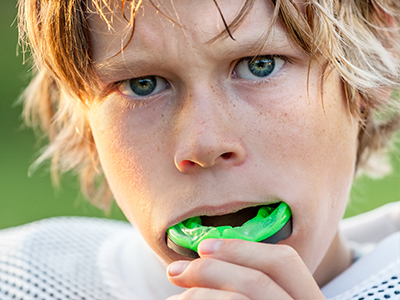
Sports-related facial and dental injuries are more common than many people realize, and the right protection can make the difference between a minor scare and long-term damage. A well-fitted mouthguard absorbs and redistributes impact forces, helping to shield teeth, lips, cheeks, and soft tissues from direct blows. Beyond protecting individual teeth, proper mouthguard use can reduce the risk of jaw fractures and soft-tissue lacerations that often accompany collisions and falls.
In team and recreational sports where body contact, projectiles, or hard surfaces are present, the frequency and severity of dental injuries rise significantly. Even non-contact activities can produce unexpected impacts that threaten the mouth—think of a stray ball, an accidental elbow, or a tumble on the field. Preventing injury is always preferable to treating it after the fact, and mouthguards are one of the simplest, most effective preventive measures available.
Education and consistent use are as important as the device itself. Coaches, parents, and athletes who understand how mouthguards function and when to wear them are more likely to adopt protective habits that stick. At Plaza Dental Parker, we emphasize practical prevention strategies so athletes of all ages can compete confidently while minimizing avoidable harm to their oral health.
There are three main categories of mouthguards: stock (pre-formed), “boil-and-bite,” and custom-made by a dental professional. Stock guards are inexpensive and ready-to-wear but often fit poorly and can interfere with breathing and speech. Boil-and-bite designs improve fit by softening in hot water and molding somewhat to the wearer’s teeth; they offer a middle ground between convenience and protection.
Custom mouthguards are fabricated from impressions taken by a dentist and are tailored to the athlete’s bite, tooth alignment, and intended use. They usually provide superior retention, comfort, and shock absorption compared with over-the-counter options. For athletes who need clear communication, significant endurance, or protection around dental work, the custom approach is often the most practical choice.
Choosing the right type depends on factors such as age, the sport’s contact level, existing dental restorations, and whether the athlete wears orthodontic appliances. While any mouthguard is better than none, selecting an option that balances protection and comfort will encourage regular use—an essential element in preventing sports-related dental injuries.
Custom-fit mouthguards are crafted from precise dental impressions, producing a device that conforms closely to the athlete’s teeth and occlusion. This snug fit reduces movement during play, which improves protection and minimizes the chances of biting down on the guard in a way that could cause injury. Additionally, custom guards can be engineered with multiple layers or specialized materials to enhance shock absorption for high-impact sports.
Comfort is a practical safety consideration. If a mouthguard is bulky, ill-fitting, or interferes with breathing and speaking, athletes are less likely to wear it consistently. A custom appliance addresses these concerns by providing a low-profile fit and tailored thickness where protection is most needed. Many athletes report they can perform without distraction when using a well-made custom guard, which helps maintain both safety and performance.
Dental professionals can also recommend design modifications for athletes with braces, implant-supported restorations, or unique bite patterns. Those adjustments preserve protection while preventing further damage to orthodontic appliances or prosthetic work. For individuals seeking a balance of durability, function, and comfort, a custom-fit mouthguard designed by a dentist is a reliable long-term solution.
Proper maintenance extends the lifespan and effectiveness of a mouthguard. Rinsing the guard with cool water or brushing it gently after each use removes saliva and debris that can degrade materials over time. Avoid using hot water, which can warp thermoplastic guards, and never chew on the device—habitual chewing softens protective materials and compromises fit.
When not in use, store the mouthguard in a ventilated, rigid container to prevent bacterial growth and damage. Keep it away from direct sunlight and extreme heat, and avoid leaving it in helmets or gym bags where it can be crushed or contaminated. Regularly inspect the guard for cracks, thinning, or areas of distortion; any sign of wear that affects fit or function means it’s time for a replacement.
For athletes who sweat heavily or share equipment, routine professional cleaning or replacement at appropriate intervals can be part of a broader hygiene plan. Discussing care routines with your dental provider ensures that cleaning methods and storage practices match the guard’s material and construction, helping to keep the appliance effective and safe.
Young athletes deserve particular attention because their jaws and dentition are still developing. Mouthguards for children should allow normal growth while providing protection. Periodic refitting or replacement is often necessary as teeth erupt and facial proportions change. Encouraging consistent use early helps build a lifelong habit of playing safely and protecting oral health.
Orthodontic patients require specially designed guards that protect both the teeth and the braces themselves. A standard over-the-counter guard can press brackets into soft tissue or shift tooth movement; a custom appliance can be designed to clear appliances while still providing adequate cushioning. Similarly, athletes with crowns, bridges, or implants may need tailored designs to accommodate restorative work without increasing the risk of damage.
For contact sports like football, hockey, lacrosse, and boxing, higher-impact forces demand greater shock absorption and retention. Coaches and parents should prioritize properly fitting guards for athletes in these activities and reinforce rules about wearing protective gear during both practice and competition. Understanding sport-specific risks and addressing them proactively reduces the chance of traumatic dental injuries and supports overall athlete safety.
Sports mouthguards are a simple, proven way to protect smiles and prevent severe dental and facial injuries. Whether an athlete chooses a ready-made option or a custom-fitted appliance, consistent use and appropriate care are essential for maximizing protection. If you’d like personalized guidance about the best mouthguard for your needs, contact Plaza Dental Parker for more information and to discuss custom options tailored to your sport and dental situation.
A sports mouthguard is a protective appliance worn over the teeth to absorb and redistribute impact forces to the mouth and jaw. It helps shield teeth, lips, cheeks and soft tissues from direct blows that can cause fractures, avulsions or lacerations. By reducing the energy transmitted to the jaw, a mouthguard can also lower the risk of jaw fractures and other facial trauma.
Wearing a mouthguard is a preventive measure that is effective in a wide range of activities, from contact sports to recreational play where unexpected collisions or projectiles may occur. Consistent use during practices and games greatly reduces the likelihood of emergency dental treatment. Education and habit formation are key to ensuring athletes wear protection whenever they face a risk of impact.
There are three common categories: stock (pre-formed), boil-and-bite and custom-made mouthguards. Stock guards are inexpensive and ready to wear but often fit poorly and can interfere with breathing and speech; boil-and-bite models improve fit by softening in hot water and molding somewhat to the teeth. Custom mouthguards are fabricated from impressions or digital scans by a dental professional and provide superior retention, comfort and shock absorption for most athletes.
Choosing a type depends on the athlete's age, the sport's contact level, existing dental restorations and whether the wearer has orthodontic appliances. While any guard is better than none, a balance of protection and comfort encourages regular use. For high-impact sports or athletes with special dental needs, the custom option is usually the most reliable choice.
A custom-fit mouthguard is made from precise impressions or digital scans of the athlete's teeth and bite, producing a close, stable fit that resists displacement during play. This snug fit reduces internal movement and biting on the device, which improves shock absorption and lowers the chance of secondary injuries. Custom guards can be layered or constructed from specialized materials to increase energy dissipation in high-impact situations.
Comfort and retention are practical safety factors because athletes are more likely to wear a mouthguard that does not impede breathing, speaking or performance. Dental professionals can also tailor the design to accommodate braces, crowns, implants or unique occlusal patterns without compromising protection. For athletes who require clear communication or prolonged wear, a well-made custom guard usually delivers the best combination of safety and comfort.
The fitting process typically begins with an evaluation of the athlete's dental health, bite and any existing restorations or orthodontic appliances. The dentist will take impressions or a digital scan of the teeth and jaw relationship to capture accurate anatomy for a well-fitting appliance. These records guide the laboratory fabrication or in-office milling of the mouthguard to match the athlete's occlusion and protection needs.
At the delivery appointment, the dentist checks fit, retention and comfort and makes any necessary adjustments to ensure proper function and speech. The provider will review care instructions and signs that indicate the guard needs attention or replacement. Follow-up visits are scheduled as needed to reassess fit, especially for growing athletes or after dental work.
Rinse the mouthguard with cool water or brush it gently with a toothbrush and toothpaste after each use to remove saliva and debris. Avoid hot water, which can warp thermoplastic materials, and never chew on the guard because chewing deforms protective layers and shortens service life. Periodically soak the guard in a denture or appliance cleanser if recommended by your dental professional.
Store the mouthguard in a ventilated, rigid case to prevent crushing and bacterial growth, and keep it away from direct sunlight and extreme heat. Inspect the appliance regularly for cracks, thinning or distortion; any visible damage that affects fit or function means it should be replaced. Maintaining a cleaning routine and proper storage preserves the guard's protective properties and hygiene.
Replacement frequency depends on material wear, athletic activity level and changes in dentition or dental work, but any guard that shows cracks, groove wear or loss of fit should be replaced promptly. Children and adolescents need more frequent evaluation because growth and tooth eruption change the fit over time. Mouthguards should also be checked after a blow to the face or any event that could have compromised the appliance's structure.
During routine dental visits, ask your dentist to inspect the mouthguard and verify that it still fits properly and provides adequate protection. A professional evaluation ensures the device remains safe and that any necessary adjustments or a new fabrication are scheduled. Regular monitoring is especially important for athletes in high-impact sports or those with restorative dental work.
Youth athletes require mouthguards that protect while accommodating growth and eruption of permanent teeth, so periodic refitting or replacement is often necessary. A properly designed guard allows for natural jaw development and does not interfere with tooth movement or orthodontic treatment. Parents and coaches should emphasize consistent use and check the appliance frequently for fit as the child grows.
Education is important for establishing long-term protective habits; teaching young players how to insert, remove, clean and store their mouthguards reduces the risk of loss and damage. In organized youth programs, enforcing policies about wearing protective gear during practice and competition reinforces safety culture and lowers the incidence of preventable dental injuries. Early habit formation protects oral health through adolescence and beyond.
Yes, athletes with orthodontic appliances, crowns, bridges or implants can and should wear mouthguards, but their needs differ from those with natural dentition. Standard over-the-counter guards can press brackets into soft tissue or fail to protect delicate restorations, so a custom design that clears appliances and cushions vulnerable areas is preferable. A dentist can recommend materials and thicknesses that protect the mouth and reduce the likelihood of appliance damage or irritation.
For orthodontic patients, some custom guards incorporate space for brackets and allow continued tooth movement without causing trauma. For those with crowns or implants, designs focus on even force distribution and secure retention to avoid exerting excessive load on restorations. Consulting a dental professional ensures the guard chosen balances protection with the specific requirements of ongoing dental treatment.
A properly fitted mouthguard should not significantly impede breathing or clear communication, and many athletes adapt quickly with short practice sessions. Custom and low-profile designs are engineered to preserve airway space and allow natural tongue position, which helps maintain verbal signals and respiratory efficiency. If a guard feels bulky or interferes with performance, it likely needs adjustment or a different design to suit the athlete's needs.
Training while wearing the mouthguard accelerates acclimation and reveals any functional issues that can be addressed before competition. Coaches and clinicians can suggest exercises to improve comfort and ensure the guard supports both safety and performance goals. Regular assessment and small professional adjustments often resolve speech or breathing concerns without sacrificing protection.
Plaza Dental Parker offers clinical evaluation and professional guidance to determine the most appropriate mouthguard type based on the athlete's age, sport, dental history and treatment needs. We use accurate impressions or digital scans to create custom-fit appliances when indicated and discuss design features such as thickness, layering and material options to optimize protection. Our team can also advise on care, storage and replacement intervals to keep the appliance effective over time.
Scheduling an appointment allows the dentist to assess any restorative work or orthodontic appliances that affect guard selection and to perform fitting adjustments for comfort and retention. Professional oversight ensures the mouthguard both protects and supports athletic performance while minimizing risks to teeth and soft tissues. If you would like personalized recommendations, contact the office to arrange a consultation and evaluation.