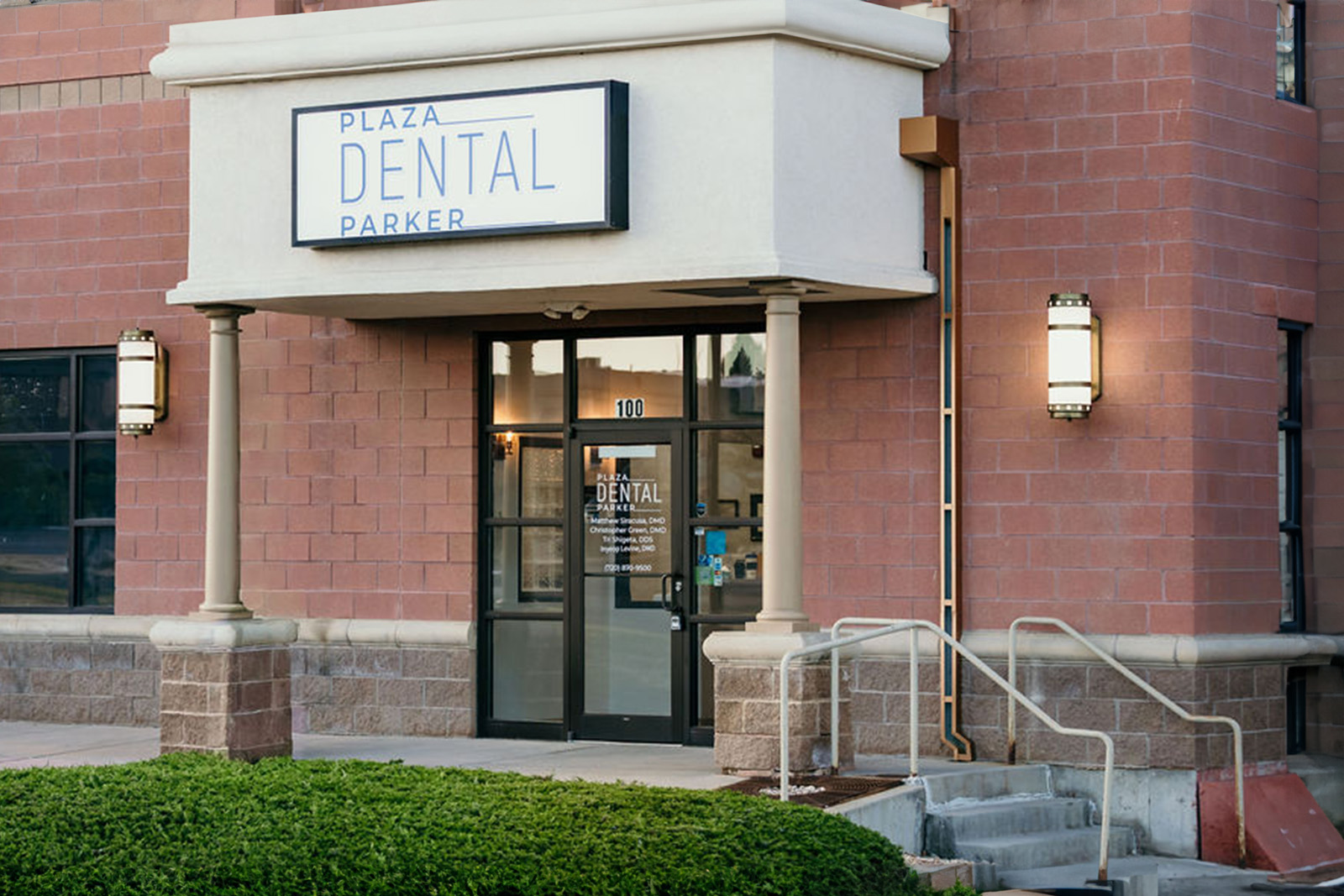
Dental Emergencies Welcome | Welcoming New Patients

Our Office
10470 S. Progress Way
Suite 100
Parker, CO 80134
Existing Patients: 720-870-9500
New Patients: (720) 640-4406
Visit Us Online


A brighter smile can change how you carry yourself, interact with others, and feel about photographs and everyday moments. At Plaza Dental Parker, we help patients achieve noticeable, long-lasting improvements to tooth color while keeping oral health front and center. Our team combines clinical experience with modern whitening systems to deliver results that look natural and suit each person’s smile goals.
If discoloration, staining, or general dullness makes you hesitant to smile, professional whitening offers a predictable, controlled way to restore a healthier appearance. We evaluate the underlying causes of staining, review your dental history, and recommend a safe, evidence-based plan. Whether you prefer a single in-office treatment or a customized take-home regimen, we focus on outcomes that balance effectiveness with comfort.
Throughout the process, we emphasize patient education and individualized care. Whitening is more than a product — it’s a clinical service that benefits from proper diagnosis, supervised application, and follow-up. Read on to learn how whitening works, what to expect, and how to protect your investment in a brighter smile.
Over-the-counter whitening products can be appealing because they’re convenient, but they don’t always deliver consistent or lasting results. Professional whitening uses higher-concentration whitening agents and controlled delivery methods that are applied or prescribed by a dental professional. That oversight reduces risk and increases predictability, especially when sensitivity or preexisting restorations are present.
At the dental level, we can tailor the concentration and duration of treatment to match the patient’s enamel condition and staining type. This customization helps achieve a more even result across front teeth and minimize unwanted effects such as increased sensitivity. It also allows us to address any oral health concerns before whitening begins — for example, untreated decay or gum inflammation that could interfere with treatment.
Another distinction is monitoring. During in-office appointments, we observe the response in real time and can stop, modify, or supplement treatment as needed. For take-home systems, we provide custom trays and clear instructions so results are both effective and safe. Professional oversight makes whitening a clinical procedure rather than a trial-and-error experiment.
Modern whitening protocols fall into two practical categories: in-office procedures and dentist-supervised take-home kits. In-office treatments are typically completed in a single appointment and use professional-grade gel under controlled conditions. These sessions can produce fast, noticeable change and are often preferred when patients want a quick, professionally managed result.
Take-home systems pair custom-fit trays with professional-strength gel for gradual whitening over days or weeks. These kits are ideal for patients who prefer to control the pace of change or maintain results through periodic touch-ups. Because the trays are molded to the patient’s teeth, gel distribution is uniform and contact with soft tissues is minimized.
We help patients choose the right path based on their lifestyle, tolerance for sensitivity, and cosmetic expectations. Some patients combine both approaches: an in-office boost followed by spaced at-home maintenance. Whatever the plan, our priority is a safe protocol that aligns with each patient’s dental health and desired outcome.
Tooth color changes for many reasons, and understanding the cause is essential to choosing the correct treatment. Surface stains often arise from frequent exposure to colored foods and beverages—coffee, tea, red wine, and some sauces—as well as from tobacco use. These superficial stains generally respond well to whitening when enamel is healthy.
Internal discoloration comes from different sources: aging, genetics, certain medications, previous dental trauma, and some dental materials. As enamel thins over time, the yellowish dentin underneath becomes more visible, making teeth look darker even when they are clean. Some intrinsic stains are more resistant to peroxide-based whitening and may require alternative cosmetic solutions.
Our clinical evaluation distinguishes between these types of staining so we can set realistic expectations. We also inspect restorations such as crowns or fillings, since whitening does not alter their color. If restorations are present in the smile zone, we’ll discuss the best sequence of care to achieve an aesthetically balanced result.
Safety is a top priority with any cosmetic dental procedure. Professional whitening is safe for most patients when performed under dental supervision, but certain conditions call for caution. Active decay, significant gum disease, exposed root surfaces, and large areas of weakened enamel should be evaluated and treated before whitening begins to avoid discomfort or uneven results.
Mild, temporary sensitivity is a common side effect for some patients and usually resolves within a few days. We recommend gentle oral hygiene, desensitizing toothpaste, and short-term avoidance of very hot or cold foods to ease symptoms. If sensitivity is persistent or severe, we reassess the protocol and may recommend adjusting application times or using lower-concentration products.
It’s also important to acknowledge limitations: whitening works on natural tooth structure but does not change the color of crowns, veneers, bonding, or bridgework. Patients with grayish or deeply intrinsic staining may achieve limited benefit and are sometimes better served by restorative or veneer-based approaches. Our team will review all options and advise the safest, most effective path forward.
Maintaining a brighter smile is a partnership between professional care and everyday habits. In the first 48 hours after whitening, teeth are temporarily more receptive to staining, so choosing lighter-colored foods and beverages helps preserve results. Long-term, moderating exposure to staining agents and practicing consistent oral hygiene will slow re-discoloration.
For many patients, periodic touch-ups with a dentist-supervised take-home kit are the simplest way to prolong results. We can recommend the appropriate timing based on your diet, habits, and the shade change you want to maintain. Regular dental cleanings also remove surface buildup that can obscure brightness and are a helpful complement to whitening.
Other practical steps include avoiding tobacco, using a straw for dark drinks when possible, and considering whitening-friendly product choices such as toothpaste formulated for stain removal. If you have restorations in the aesthetic zone, plan any replacement or adjustment after you reach your preferred tooth shade so new restorations will match the refreshed enamel.
At the office of Plaza Dental Parker, we’re committed to guiding patients through every phase of whitening care — from initial assessment to aftercare planning. If you’re curious whether professional whitening is right for your smile, please contact us for more information and personalized guidance.
Professional teeth whitening is a clinical procedure that uses controlled concentrations of peroxide-based gels to lighten natural tooth enamel. The process breaks down stain molecules so teeth appear visibly brighter while being monitored by dental professionals. At the office of Plaza Dental Parker, clinicians evaluate enamel condition and choose an approach that balances efficacy and comfort.
Treatment can be delivered as a single in-office session for rapid change or as a dentist-supervised take-home system for gradual improvement. Both methods rely on professional products and protocols that are not available over the counter, and both include safeguards to protect gums and existing dental work. The goal is a predictable, natural-looking shade change that aligns with the patient’s smile goals.
Over-the-counter whiteners are convenient but typically use lower concentrations of active agents and generic delivery methods. Without dental supervision, results can be uneven and the risk of soft tissue irritation or unnecessary sensitivity increases. Professional whitening provides customized concentrations, fit, and monitoring to reduce those risks.
A dentist can also identify and treat oral health issues—such as decay or gum disease—before whitening begins, which improves safety and outcomes. Custom trays and clinician-prescribed gels offer more uniform contact with tooth surfaces than strips or pens. Overall, professional care reduces trial-and-error and supports longer-lasting, more consistent results.
In-office whitening uses higher-strength gel applied under controlled conditions and often produces immediate, noticeable improvement in one appointment. Clinicians protect soft tissues and monitor the tooth response throughout the procedure to minimize discomfort and achieve the desired shade. This approach is ideal for patients who want a fast, professionally managed result.
Custom take-home systems pair dentist-fabricated trays with professional-strength gel for gradual whitening over several days or weeks. These kits offer flexibility and are useful for touch-ups or patients sensitive to rapid changes in temperature or peroxide exposure. Many patients combine an in-office boost with at-home maintenance to balance speed and longevity.
Good candidates for whitening are patients with healthy teeth and gums whose staining is primarily extrinsic—caused by foods, beverages, or tobacco. Individuals with active decay, untreated gum disease, exposed roots, or large areas of weakened enamel should address those concerns before whitening to avoid discomfort or uneven results. A dental exam helps determine whether whitening or an alternative cosmetic path is most appropriate.
Patients with intrinsic discoloration—such as stains from medications, trauma, or aging—may see limited improvement with peroxide-based whitening and could benefit from restorative options like veneers or crowns. Whitening is not effective on most dental restorations, so case planning is important when restorations are visible in the smile zone. The dentist will explain realistic expectations and recommend the safest, most effective option.
Mild, temporary sensitivity is a common and typically short-lived side effect of peroxide-based whitening that resolves within days for most patients. Sensitivity management includes using desensitizing toothpaste, reducing application time, and prescribing lower-concentration gels when appropriate. The dental team closely monitors symptoms and can adjust the protocol if sensitivity persists.
For patients with a history of sensitivity, the clinician may recommend a gradual at-home system or pre-treatment with fluoride or desensitizing agents to strengthen enamel and reduce discomfort. In in-office settings, pauses between whitening applications and protective barriers help limit sensitivity. Persistent or severe pain warrants reassessment and may indicate the need for alternative cosmetic approaches.
Whitening agents only affect natural tooth structure and do not change the color of crowns, veneers, bonding, or composite fillings. Because restorations will remain the same shade, whitening before replacing visible restorations is often recommended to ensure a color match. Your dentist will inspect any existing work and discuss sequencing for the best aesthetic outcome.
When restorations are present in the smile zone, a common strategy is to whiten natural teeth first and then replace or adjust restorations to match the new shade. For extensive restorative needs, the dentist may recommend alternative cosmetic solutions instead of relying solely on whitening. Clear communication about restoration materials and timing helps avoid surprises after treatment.
A whitening consultation begins with a comprehensive exam to assess oral health, identify the type of staining, and confirm there are no contraindications to treatment. The dentist will review your dental history, evaluate enamel thickness, and inspect restorations to set realistic expectations. We also discuss lifestyle factors—such as diet and tobacco use—that affect results.
From that assessment the clinician proposes either an in-office or take-home protocol and explains application steps, likely outcomes, and sensitivity management. If a take-home system is selected, impressions are taken to fabricate custom trays for uniform gel delivery. The consultation provides a clear, evidence-based plan so patients understand each phase of care.
Protecting whitening results starts with short-term habits and long-term maintenance to slow re-staining of newly receptive enamel. In the first 48 hours, avoiding highly pigmented foods and beverages helps prevent immediate re-staining while enamel pores are more open. Long-term strategies include limiting tobacco, using stain-reducing toothpaste, and drinking staining beverages through a straw when possible.
Periodic touch-ups with a dentist-supervised take-home kit are an effective way to maintain shade over months or years depending on habits. Regular professional cleanings also remove surface buildup that dulls whitened teeth and support overall oral health. Your clinician will recommend a maintenance schedule tailored to your diet, lifestyle, and aesthetic goals.
The longevity of whitening varies widely based on individual habits, the source of staining, and the whitening method used. In-office treatments may produce dramatic short-term results that require touch-ups every several months to a few years, while diligent at-home maintenance can extend the effect. Patients who avoid staining foods and tobacco typically enjoy longer-lasting brightness.
Intrinsic stains and age-related darkening tend to progressively influence appearance over time and may necessitate restorative options for a permanent solution. Regular dental care and timely touch-ups help sustain results and prevent rapid relapse. During follow-up visits, your provider can document shade changes and recommend the optimal timing for maintenance.
Teeth whitening is often part of a comprehensive cosmetic plan that can include veneers, bonding, and tooth alignment treatments such as Invisalign. Coordinating whitening with restorative or orthodontic care ensures a cohesive final appearance and helps determine the correct timing for each procedure. Discussing sequencing early in treatment planning avoids the need for repeated restoration adjustments.
At the office of Plaza Dental Parker, the team evaluates how whitening fits into broader cosmetic goals and advises on the best combination of therapies for a harmonious smile. Whether whitening is a standalone enhancement or a step toward veneers or crowns, clinical oversight ensures predictable, esthetic results. Your dentist will lay out a personalized plan that aligns with both health and cosmetic objectives.