Dental Emergencies Welcome | Welcoming New Patients

Our Office
10470 S. Progress Way
Suite 100
Parker, CO 80134
Existing Patients: 720-870-9500
New Patients: (720) 640-4406
Visit Us Online


A confident smile can shift how you feel about yourself and how others perceive you. For many patients, veneers are a transformative option: conservative, predictable, and focused on creating a natural-looking result that complements facial features and overall oral health. Below we explain what modern veneers are, how they’re planned and placed, and what you can expect if you and your dentist decide they’re the right solution for your smile.
Veneers are ultra-thin shells bonded to the front surfaces of teeth to change color, shape, size, or proportion. Because they sit on the surface of the tooth, veneers can address multiple cosmetic concerns at once without the more extensive tooth reduction required for some restorations. For patients wanting a reliable aesthetic upgrade with minimal compromise to natural tooth structure, veneers often strike the best balance.
Porcelain, the material most commonly used for veneers, is prized for its translucency and ability to mimic enamel. This means veneers reflect light similarly to natural teeth, which helps achieve a vibrant, lifelike appearance. In addition, porcelain resists staining better than natural enamel, so properly crafted and cared-for veneers retain their brightness over time.
Beyond appearances, veneers are designed with function in mind: they are contoured to respect your bite and the surrounding gum tissue. When planned carefully, veneers can restore compromised enamel surfaces and improve the distribution of chewing forces, helping patients enjoy both improved aesthetics and comfortable oral function.
Veneers are often chosen for front-tooth issues that affect how a smile looks up close: intrinsic stains that don’t respond to whitening, small chips, enamel defects, mildly irregular shapes, and narrow gaps between teeth. Because veneers cover just the visible portion of the tooth, they are especially effective when the goal is to refine the smile line and tooth proportions.
They are not a one-size-fits-all remedy: severe misalignment, significant structural damage, or extensive decay may be better treated with orthodontics, crowns, or other restorative approaches. During your evaluation, your dentist will help determine whether veneers will meet your goals or whether a different path will produce a healthier or longer-lasting outcome.
For many patients, the appeal of veneers is their ability to produce a cohesive, harmonious smile in a relatively short span of treatment. When combined with conservative preparation and precise laboratory work, veneers can transform smiles while maintaining a natural, individualized look.
Good cosmetic dentistry begins at the planning stage. The process starts with a comprehensive examination that looks at tooth health, gum condition, bite relationships, and aesthetic goals. Many dentists use photographs, digital imaging, and smile design principles to visualize changes before any treatment begins, so patients can preview potential results and contribute to shade, shape, and alignment decisions.
Shade selection and proportion are essential elements of the design process. Your dentist will select colors and translucencies that blend with surrounding teeth and complement your skin tone and facial features. The goal is a smile that enhances your appearance without looking artificial — subtle refinements that read as natural and balanced.
When appropriate, temporary mock-ups or provisional veneers give patients a chance to live with the proposed changes for a short period. This step allows adjustments to shape, length, and contour before the final veneers are fabricated, ensuring the finished restorations meet both aesthetic expectations and functional needs.
Treatment typically begins with a consultative visit to review goals and confirm suitability. Any dental health issues such as active decay or gum inflammation are addressed first so the tissues are healthy before veneers are placed. Clear communication during this phase ensures the final outcome aligns with patient priorities.
To prepare a tooth for a veneer, the dentist will remove a thin layer of enamel—usually a fraction of a millimeter—to create space for the veneer and ensure a seamless junction with the gumline. An impression or digital scan follows, capturing the precise contours of prepared teeth. Many dental practices collaborate with skilled dental labs to craft porcelain veneers that match the agreed-upon design.
When the veneers return from the lab, your dentist will check fit, shape, and shade, making any small refinements needed for comfort and appearance. After thorough cleaning and bonding protocols, each veneer is adhesively attached to the tooth surface. Final polishing and bite checks complete the process so you leave with a cohesive, comfortable new smile.
Veneers are long-lasting when cared for correctly. Daily brushing with a non-abrasive toothpaste, flossing, and regular dental checkups help preserve both the restorations and the natural teeth beneath. While porcelain is durable, patients should avoid habits that risk chipping or undue wear, such as using teeth as tools or consistently biting hard objects.
Sensitivity immediately after preparation is common but usually diminishes in the weeks following placement. Routine exams let your dentist monitor margins, gum health, and the fit of the veneers so any minor issues can be addressed before they become problems. If a veneer chips or becomes dislodged, prompt evaluation allows for repair or rebonding when appropriate.
With attentive home care and professional oversight, veneers can provide many years of reliable service and continued satisfaction. Your dentist will recommend a maintenance schedule tailored to your situation to protect the investment in your smile and preserve oral health.
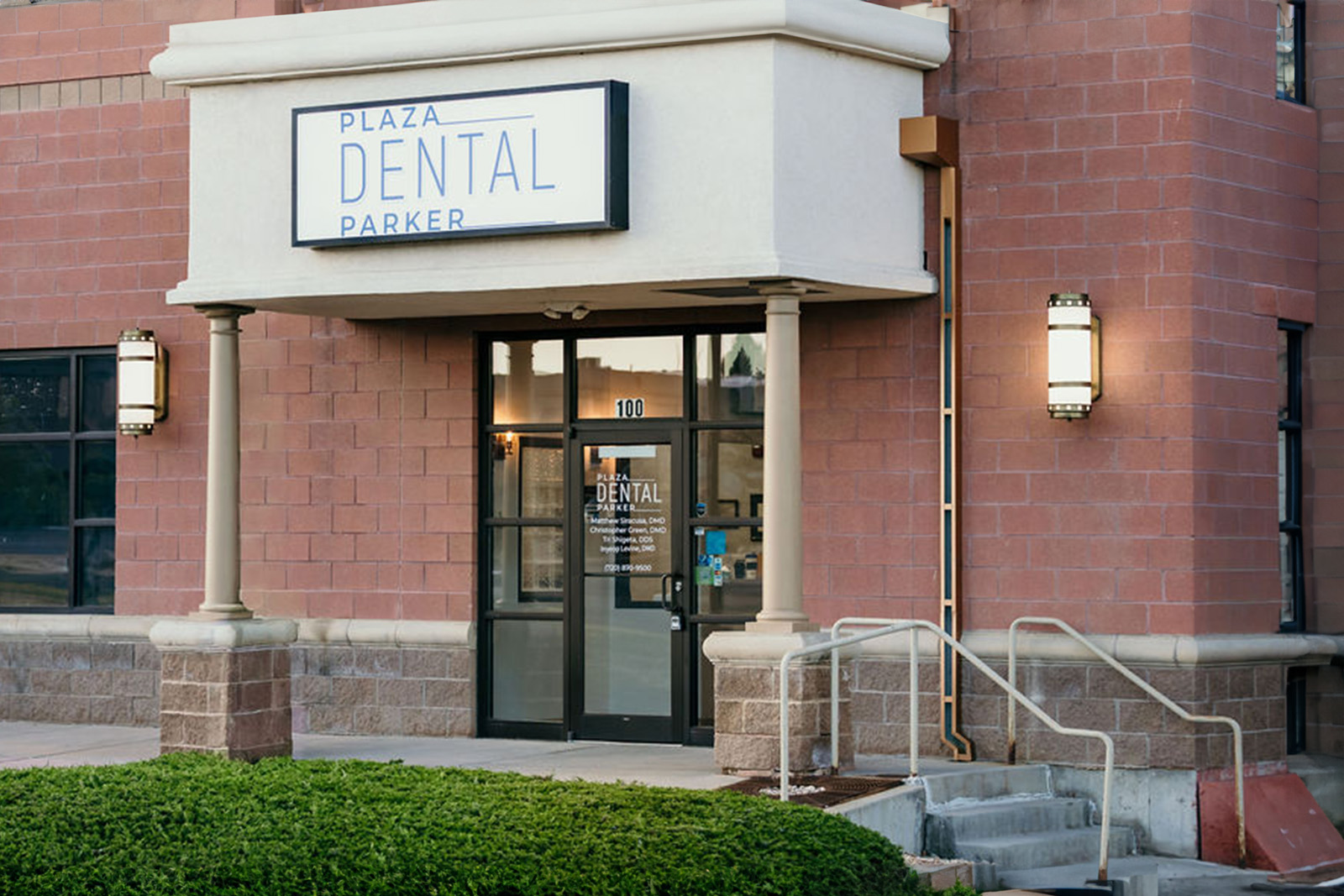
At Plaza Dental Parker, our team focuses on thoughtful planning and precise execution to help patients achieve natural-looking results that last. If you’re considering veneers and want to learn more about how they might fit into your treatment plan, please contact us for additional information and to schedule a consultation.
Dental veneers are ultra-thin shells bonded to the front surfaces of teeth to change color, shape, size, or proportion. They are typically made to match the translucency and light-reflecting properties of natural enamel so the restorations blend with surrounding teeth. Bonding creates a durable seal that protects the prepared tooth while delivering the intended aesthetic correction.
The purpose of a veneer is both cosmetic and functional: it conceals surface flaws while preserving more natural tooth structure than many full-coverage restorations. Veneers cover only the visible portion of the tooth, which allows for conservative preparation in many cases. When designed and placed correctly, veneers can restore a harmonious smile without compromising bite function.
Porcelain is the most commonly used material for veneers because of its strength, translucency, and resistance to staining, which helps create a lifelike appearance. High-quality ceramic systems reproduce enamel characteristics and can be layered or pressed depending on the laboratory technique used. Composite resin veneers offer a more conservative and repairable option when less extensive alteration is desired and can be completed directly in the mouth.
The choice of material is based on aesthetic goals, tooth condition, and functional needs, with porcelain often preferred for long-term color stability and durability. Your dentist will discuss material properties and recommend the best option for your situation. Skilled laboratory work and precise bonding protocols are critical regardless of the chosen material to ensure predictable results.
Good candidates for veneers are patients with healthy teeth and gums who want to address issues such as intrinsic staining, small chips, minor shape or size discrepancies, and narrow gaps between front teeth. Patients with uncontrolled decay, active gum disease, or severe bite problems will need those conditions addressed first, and other treatments may be more appropriate. A thorough clinical exam and diagnostic imaging help determine whether veneers are the right, conservative choice for your goals.
Veneers are not ideal for teeth with significant structural damage or extensive restoration needs where a crown would provide better long-term protection. Communication about expectations, lifestyle habits, and oral hygiene is important to confirm candidacy. Your dentist will recommend a personalized plan that balances aesthetics with tooth preservation and function.
Planning for veneers begins with a comprehensive evaluation of tooth health, gum contours, bite relationships, and facial features to ensure the proposed changes harmonize with the smile and overall appearance. Dentists often use digital photography, smile design software, and diagnostic wax-ups to visualize options and refine shape, length, and shade before fabrication. Shade selection and translucency matching are key steps to avoid an artificial look and to integrate veneers with adjacent teeth.
Provisional mock-ups or temporary veneers can be used so patients can test appearance and comfort before the final restorations are made, allowing adjustments to contour and proportion. Collaboration with an experienced dental laboratory ensures that the laboratory team reproduces the agreed design precisely. This iterative process reduces surprises at seating and improves predictability of the final outcome.
Treatment typically starts with a consultative visit to confirm goals and address any active dental disease such as decay or gum inflammation before proceeding. To prepare teeth, the dentist removes a very thin layer of enamel—often a fraction of a millimeter—to create space for the veneer and establish a smooth margin for bonding. An impression or digital scan is taken and sent to the lab, and temporary restorations may be provided while the final veneers are fabricated.
At the placement visit the dentist checks fit, shape, and shade and makes any minor refinements, then follows precise cleaning and bonding protocols to adhesively attach each veneer. After seating, the dentist polishes the margins and checks the patient’s bite to ensure comfort and proper function. Follow-up visits allow monitoring of fit and tissue response and confirm patient satisfaction with the final appearance.
Proper home care includes twice-daily brushing with a nonabrasive toothpaste, daily flossing, and routine dental checkups to maintain both veneers and the underlying teeth. Avoiding habits that risk chipping, such as opening packages with teeth or biting hard objects, reduces the chance of damage, and wearing a nightguard may be advised for patients who clench or grind. Regular professional cleanings and examinations allow early detection and management of any margin issues or gum changes.
With attentive care and periodic professional maintenance, porcelain veneers can provide many years of reliable service, though individual longevity varies with oral habits and functional stresses. If a veneer chips or becomes dislodged, prompt dental evaluation allows repair or rebonding when clinically appropriate. Your dentist will recommend a tailored maintenance schedule to help preserve the restorations and overall oral health.
Common short-term effects include sensitivity after preparation, which usually subsides in the weeks following placement as the tooth adapts to the veneer and bonding. Potential complications include marginal staining, veneer fracture or debonding, and gum irritation if margins are not properly contoured or if oral hygiene is inadequate. In some cases additional treatment may be required to address underlying structural issues that become apparent during planning or after placement.
To minimize risks, careful case selection, conservative preparation, precise laboratory work, and strict bonding protocols are essential. Your dentist will review possible outcomes, address your concerns, and explain how risks apply to your specific clinical situation. Regular follow-up care enables early intervention if problems arise and helps protect both the restorations and natural teeth.
Veneers are more conservative than crowns because they cover only the front surface of the tooth, preserving more natural tooth structure when the tooth is otherwise healthy. Crowns encircle the entire tooth and are preferable when there is significant structural damage, large restorations, or extensive decay that compromises tooth strength. Composite bonding is less invasive and often less expensive, but it tends to stain and wear faster and may not offer the same long-term durability or aesthetic depth as high-quality porcelain veneers.
The best choice depends on the tooth’s condition, aesthetic goals, and functional demands; sometimes a combination of treatments provides the optimal result. Your dentist will explain the benefits and limitations of each option and recommend an approach that protects oral health while achieving the desired appearance. Treatment planning should prioritize longevity, function, and the least invasive means to accomplish the patient’s goals.
Veneers can effectively mask minor alignment irregularities and narrow gaps by modifying tooth shape and proportions to create a visually straighter smile. They are best suited for small discrepancies where the bite is stable and there is sufficient enamel to support conservative preparation and bonding. Significant malocclusion or larger spacing issues are usually better treated with orthodontics before or instead of veneers to ensure proper function and long-term stability.
When veneers are considered as an alternative to orthodontics, a thorough evaluation of the bite and jaw relationships is essential to avoid creating functional problems. In some cases a combined approach—orthodontic alignment followed by veneers for final shape and shade—yields the most predictable, natural-looking result. Your dentist will discuss whether veneers alone are appropriate or whether adjunctive treatments would improve both aesthetics and oral health.
Start by requesting a consultation so a dentist can perform a comprehensive exam, review your dental history, and discuss your aesthetic goals and expectations. During the visit you can review photographic or digital simulations, ask questions about materials and processes, and learn what preparatory treatments, if any, are advised to optimize outcomes. A clear, documented treatment plan ensures you understand the sequence of care, anticipated timeline, and how oral health will be preserved throughout the process.
If you would like personalized guidance, Plaza Dental Parker in Parker, CO offers comprehensive evaluations that emphasize conservative planning and predictable results. A consultation allows the team to recommend the most appropriate, evidence-based approach for your smile and answer any follow-up questions about care and maintenance.